
Hexamethylenediamine #CAS124-09-4
Hexamethylenediamine #CAS124-09-4
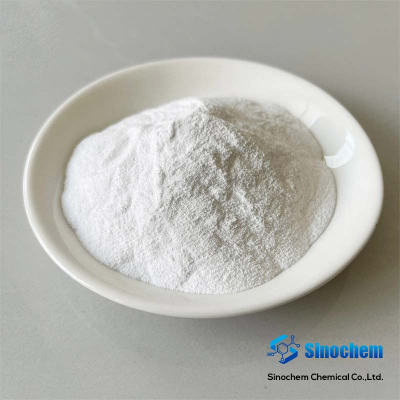
HMDA is a hygroscopic, colorless solid (pel-letsorflakes). Weak, fishy odor. odor thresh-old = 0.004 mg/m';Molecular weight = 116.13; Boilingpoint = 199℃; FreezingMelting point = 39- 42℃; Flashpoint= 71℃;81℃(solution);Autoi gnitiontemperature = 310℃. Explosive limits:LEL=0.7%;UEL= 6.3%. Soluble in water.
Synthesis route:
1. Hydrolysis of Hydrogen Cyanide: First, react hydrogen cyanide with hexanal to form adiponitrile. Then, hydrolyze the adiponitrile by heating to produce 1,6-hexanediamine.
2. Cyclohexanone Reduction: Another synthetic route involves the catalytic reduction of cyclohexanone to produce 1,6-hexanediamine.
Transportation:
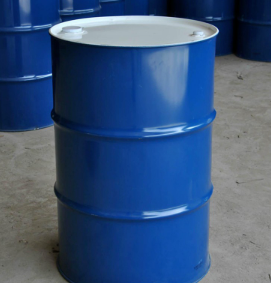
1. Packaging: Use sealed, leak-proof packaging containers and ensure the packaging complies with transportation regulations.
2. Labeling: The packaging should have clear markings, including the chemical name, hazard classification, and other relevant information.
3. Protection: During transportation, avoid mixing with oxidizers, acids, and other hazardous chemicals.
Storage:
Store in a dry, cool, and well-ventilated warehouse, away from heat sources and ignition sources.
2. Packaging: Keep the original sealed packaging to prevent moisture and exposure to sunlight.
3. Protection: Avoid storing with oxidizing agents, acids, and similar substances.
When transporting and storing 1,6-hexanediamine, strict adherence to chemical safety operating procedures is required to ensure safe handling and storage, preventing leakage or contamination incidents.
Hexamethylenediamine(HMDA) is a strong organic base, e.g., a 10 % aqueous solution has a pH of 12.3 (20°C), and forms stable salts with both organic and inorganic acids. The most important salt is that produced by neutralization with adipic acid (salt strike): the so-called nylon salt or AH salt. This compound is the raw material for the preparation of nylon by thermal dehydration under vacuum.
Hexamethylenediamine is a colorless solid with a typical fishlike amine odor. It is very soluble in water, soluble in alcohols and aromatic solvents, and poorly soluble in aliphatic hydrocarbons.
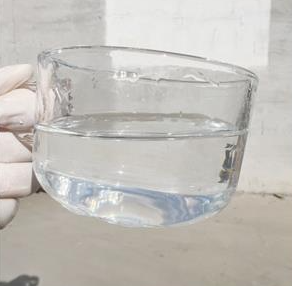
Hexamethylenediamine, solution appears as a clear colorless liquid. Burns although some effort is required to ignite. Soluble in water. Corrosive to metals and tissue. Produces toxic oxides of nitrogen during combustion. Used to make nylon.
Application of Hexamethylenediamine
Hexamethylenediamine is mainly used as a monomer to make nylon 6-6. Its derivative hexamethylene diisocyanate (HDI) is used in the production of polyurethane. It acts as a cross-linking agent in epoxy resins. Other applications include fiber, plastics, polyurethane coatings, lubricants, water treatment products and specialty chemicals (biocides, petroleum additives, and phenol purification).
Hexamethylenediamine (1,6-hexanediamine, HDA ) may be used in the preparation of the following:
polyamides and their hydrolytic and fungal degradability was investigated
mullite ceramics
methoxycarbonylation of 1,6-hexanediamine with dimethyl carbonate to form dimethylhexane-1,6-dicarbamate.
Formation of high polymers, e.g., nylon 66.
dialkyl hexamethylene-1,6-dicarbamate (AHDC), via trans-esterification reaction of HDA and alkyl carbamates (AC) using FeCl3 as catalyst.
1,6-hexanediamine modified magnetic chitosan microspheres for fast and efficient removal of toxic hexavalent chromium.
| Hexamethylenediamine Chemical Properties |
| Melting point | 42-45 °C(lit.) |
| Boiling point | 204-205 °C |
| density | 0.89 g/mL at 25 °C(lit.) |
| vapor density | 4 (vs air) |
| vapor pressure | 0.25 hPa (20 °C) |
| refractive index | n |
| Fp | 201 °F |
| storage temp. | Store below +30°C. |
| solubility | alcohol: soluble(lit.) |
| pka | 11.857(at 0℃) |
| form | Solution |
| color | White, may discolor during storage |
| PH | 12.4 (100g/l, H2O, 25℃) |
| Odor | pyridine odor |
| explosive limit | 0.9-7.6%(V) |
| Water Solubility | 490 g/L (20 ºC) |
| Sensitive | Hygroscopic |
| Merck | 14,4695 |
| BRN | 1098307 |
| Henry's Law Constant | 1.0×10³ mol/(m3Pa) at 25℃, Nguyen (2013) |
| Exposure limits | ACGIH: TWA 0.5 ppm |
| Stability: | Stable. Combustible. Incompatible with strong oxidizing agents, strong acids, organic materials. |
| Cosmetics Ingredients Functions | BUFFERING |
| InChI | 1S/C6H16N2/c7-5-3-1-2-4-6-8/h1-8H2 |
| InChIKey | NAQMVNRVTILPCV-UHFFFAOYSA-N |
| SMILES | NCCCCCCN |
| LogP | 0.4 at 25℃ |
| CAS DataBase Reference | 124-09-4(CAS DataBase Reference) |
| NIST Chemistry Reference | 1,6-Hexanediamine(124-09-4) |
| EPA Substance Registry System | Hexamethylenediamine (124-09-4) |
| Safety Information |
| Hazard Codes | C |
| Risk Statements | 34-37-21/22-20/21/22 |
| Safety Statements | 26-36/37/39-45-22-27 |
| RIDADR | UN 1783 8/PG II/III (HEXAMETHYLENEDIAMINE SOLUTION) |
| RIDADR | UN 2280 8/PG III (HEXAMETHYLENEDIAMINE, SOLID) |
| WGK Germany | 3 |
| RTECS | MO1180000 |
| F | 10-34 |
| Autoignition Temperature | 305 °C |
| TSCA | TSCA listed |
| HS Code | 2921 22 00 |
| HazardClass | 8 |
| PackingGroup | III |
| Storage Class | 8A - Combustible corrosive hazardous materials |
| Hazard Classifications | Acute Tox. 4 Dermal Acute Tox. 4 Oral Eye Dam. 1 Skin Corr. 1B STOT SE 3 |
| Hazardous Substances Data | 124-09-4(Hazardous Substances Data) |
| Toxicity | LD50 orally in Rabbit: 850 mg/kg LD50 dermal Rabbit 1110 mg/kg |
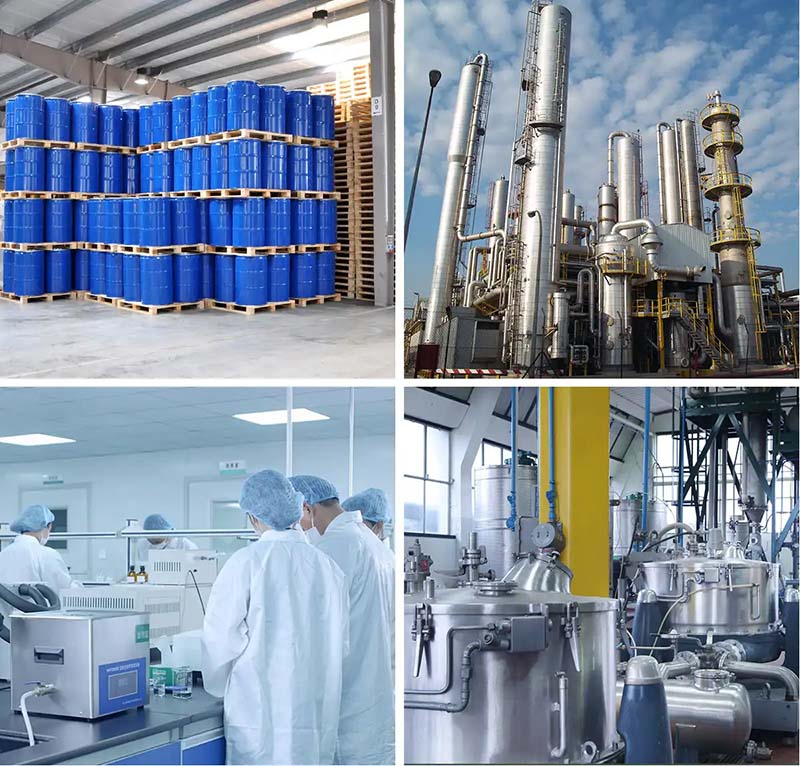
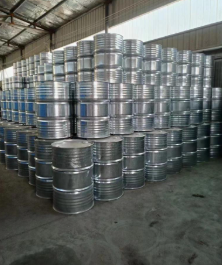
Fact Factory and Equipment Show