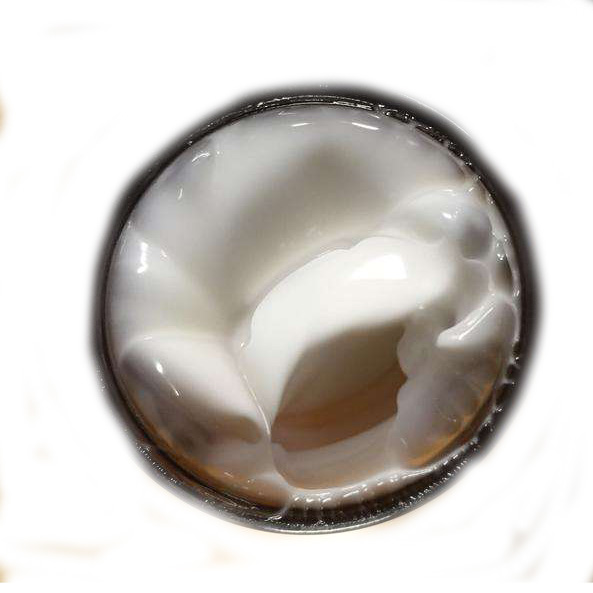
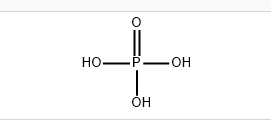
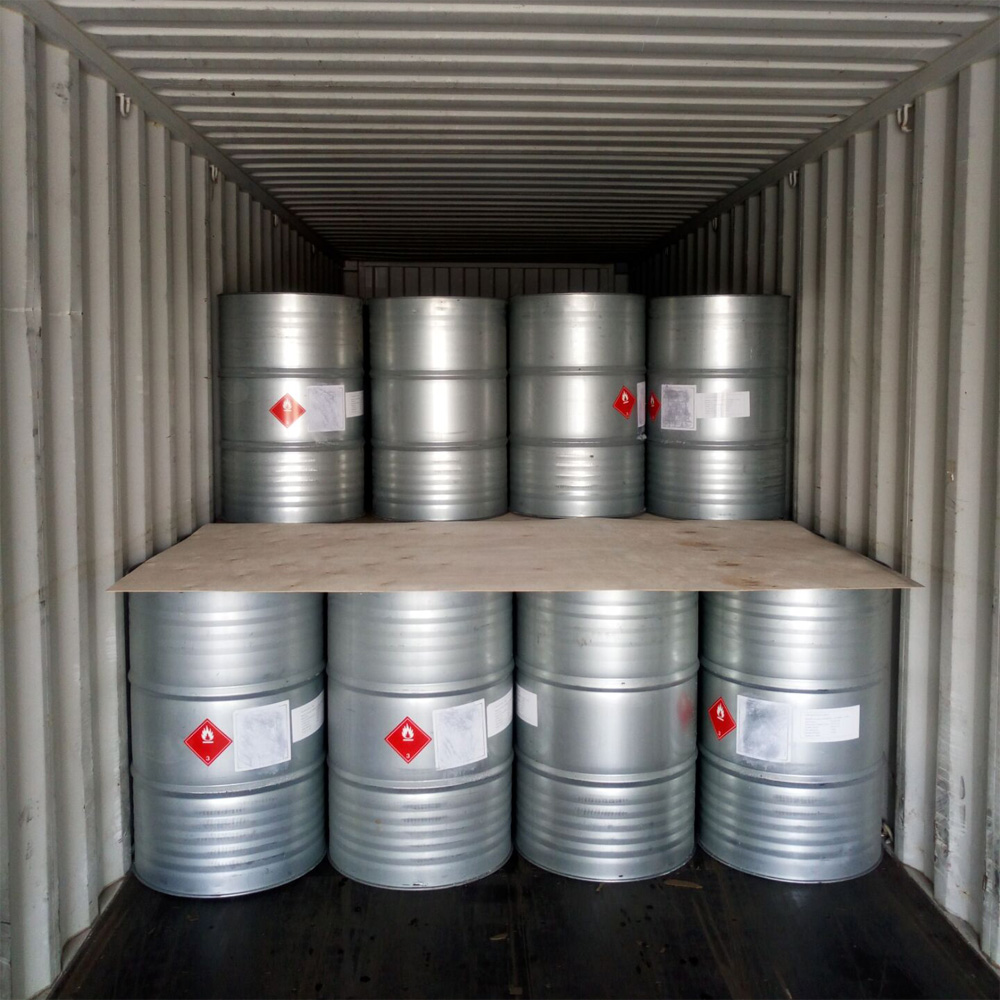
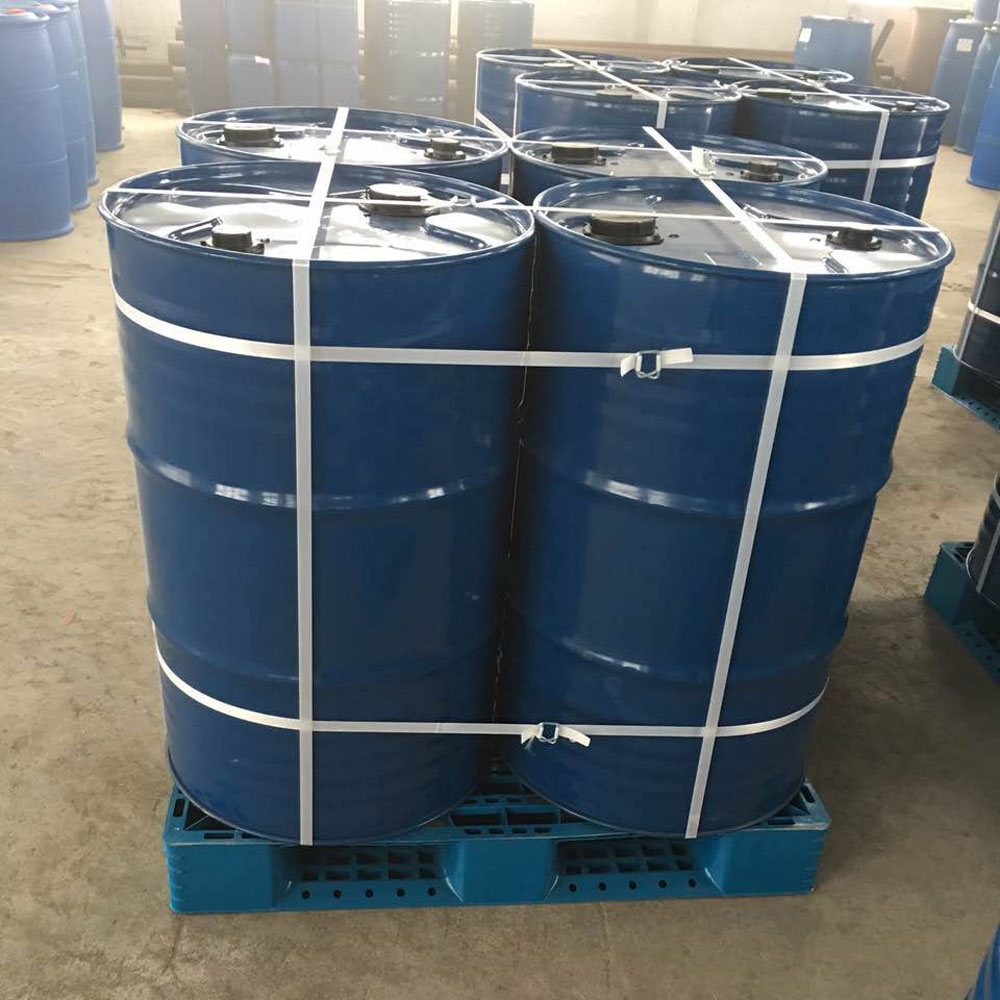
Phosphoric acid #CAS7664-38-2
Phosphoric acid was prepared first by Robert Boyle in 1694 by dissolving phosphorus pentoxide in water. Phosphoric acid is probably the most important compound of phosphorus. It is the second largest inorganic chemical by volume, after sulfuric acid, marketed in the United States.
The single most important application of Phosphoric acid is manufacturing phosphate salts for fertilizers. Such fertilizer phosphates include sodium, calcium, ammonium, and potassium phosphates. Other applications are in metal pickling and surface treatment for removal of metal oxides from metal surfaces; electropolishing of aluminum; as a bonding agent in various refractory products such as alumina and magnesia; as a catalyst in making nylon and gasoline; as a dehydrating agent; in fireproofing wood and fabrics; in lithographic engraving; in textile dyeing; in dental cement; in coagulating rubber latex; in purifying hydrogen peroxide; and as a laboratory reagent. Dilute solutions of phosphoric acid are used as additives to carbonated beverages for a pleasing sour taste. Also, dilute acid is used in refining sugar; as a nutrient; and as a buffering agent in preparing jam, jelly, and antibiotics. The commercial phosphoric acid is 85% (w/w) in strength.
Food-grade phosphoric acid is used to acidify foods and beverages. It provides a tangy or sour taste and, being a mass-produced chemical, is available cheaply and in large quantities. Phosphoric acid, used in many soft drinks, has been linked to lower bone density in epidemiological studies. In brief, phosphoric acid is a strong acid and common industrial chemical used in the manufacture of a wide number of products, notably porcelain and metal cleaners, detergents, and fertilisers. It is also used as a food additive and is a major constituent of many soft drinks. Low phosphate concentrations are found in drinking water to which it is added in some areas in order to reduce lead solubility.
Application of Phosphoric acid
Phosphoric acid is second only to sulfuric acid as an industrial acid and consistently ranksin the top 10 chemicals used globally.States, but it is used in a number of other applications. Phosphateswere used as builders and water softeners. A builder is a substance added to soaps or detergentsto increase their cleansing power.
Phosphoric acid is used as an intermediate in the production of animal feed supplements,water treatment chemicals, metal surface treatments, etching agent, and personal care productssuch as toothpaste. It is used as a catalyst in the petroleum and polymer industry. Phosphoricacid is used in food as a preservative, an acidulant, and flavor enhancer; it acidifies carbonateddrinks such as Coca Cola and Pepsi, giving them a tangy flavor. Phosphoric acid is used as arust remover and metal cleaner. Naval Jelly is approximately 25% phosphoric acid. Other usesfor phosphoric acid include opacity control in glass production, textile dyeing, rubber latexcoagulation, and dental cements.
| Phosphoric acid Chemical Properties |
| Melting point | ~40 °C(lit.) |
| Boiling point | 158 °C(lit.) |
| density | 1.685 g/mL at 25 °C(lit.) |
| vapor density | 3.4 (vs air) |
| vapor pressure | 2.2 mm Hg ( 20 °C) |
| refractive index | n |
| FEMA | 2900 | PHOSPHORIC ACID |
| storage temp. | no restrictions. |
| solubility | H2O: soluble |
| pka | 2.1-7.2-12.3(at 25℃) |
| form | Solid or Viscous Liquid |
| color | ≤10(APHA) |
| Specific Gravity | 1.7 |
| Odor | Odorless |
| PH Range | 1.5 |
| PH | 3.06(1 mM solution);2.26(10 mM solution);1.63(100 mM solution); |
| biological source | synthetic |
| Water Solubility | MISCIBLE |
| λmax | λ: 260 nm Amax: ≤0.05 λ: 280 nm Amax: ≤0.04 |
| Merck | 14,7344 |
| BRN | 1921286 |
| Dielectric constant | 61.0 |
| Exposure limits | TLV-TWA 1 mg/m3 (ACGIH, MSHA, and OSHA); TLV-STEL 3 mg/m3 (ACGIH). |
| Major Application | battery manufacturing |
| Cosmetics Ingredients Functions | BUFFERING |
| InChI | 1S/H3O4P/c1-5(2,3)4/h(H3,1,2,3,4) |
| InChIKey | NBIIXXVUZAFLBC-UHFFFAOYSA-N |
| SMILES | OP(O)(O)=O |
| LogP | -2.15 |
| CAS DataBase Reference | 7664-38-2(CAS DataBase Reference) |
| NIST Chemistry Reference | Phosphoric acid(7664-38-2) |
| EPA Substance Registry System | Phosphoric acid (7664-38-2) |
| Safety Information |
| Hazard Codes | C,Xn,T,F |
| Risk Statements | 34-35-22-39/23/24/25-36/38-23/24/25-11 |
| Safety Statements | 7-16-26-36/37-45-36/37/39-1/2-24/25 |
| OEB | C |
| OEL | TWA: 1 mg/m3, STEL: 3 mg/m3 |
| RIDADR | UN 1805 8/PG III (PHOSPHORIC ACID, SOLUTION) |
| RIDADR | UN 3453 8/PG III (PHOSPHORIC ACID, SOLID) |
| WGK Germany | 3 |
| RTECS | TB6300000 |
| F | 3-10 |
| TSCA | TSCA listed |
| HS Code | 2809 20 00 |
| HazardClass | 8 |
| PackingGroup | III |
| Storage Class | 8A - Combustible corrosive hazardous materials |
| Hazard Classifications | Acute Tox. 4 Oral Eye Dam. 1 Met. Corr. 1 Skin Corr. 1B |
| Hazardous Substances Data | 7664-38-2(Hazardous Substances Data) |
| Toxicity | ADI 0 to 70 mg / kg (total phosphate content in terms of phosphorus, FAO / WHO, 2001). GRAS (FDA, § 182.1073, 2000). LD501530mg / kg (rat, oral). In case of daily intake of 2 ~ 4 g, it can cause mild diarrhea. The amount of sour agent used as a cola drink is 0.02% to 0.06%. |
| IDLA | 1,000 mg/m3 |
Fact Factory and Equipment Show