Propylene oxide #CAS75-56-9
Propylene oxide #CAS75-56-9
Propylene oxide is an allergic and irritant agent, used as a solvent and raw material in the chemical industry as starting material and intermediate for a broad spectrum of polymers.Propylene oxide is soluble in water and miscible with most organic solvents. It is found to be an excellent low-boiling solvent for cellulose acetate, nitrocellulose, adhesive compositions and vinyl chloride-acetate resins. It is also a solvent for hydrocarbons, gums and shellac. Some of its uses are as a solvent and stabilizer in DDT aerosol-type insecticides, and as a fumigant and food preservative. Since it is an acid acceptor, it is also used as a stabilizer for vinyl chloride resins and other chlorinated systems.
Application of Propylene oxide
It can be used as a dehydrating agent for the preparation of slides in electron microscopy. Occupational dermatitis was also reported while using a skin disinfectant swab.
Chemical intermediate in preparation of polyethers to form polyurethanes; in preparation of urethane polyols and propylene and dipropylene glycols; in preparation of lubricants, surfactants, oil demulsifiers. As solvent; fumigant; soil sterilant.
Propylene oxide is used as a fumigant forfoodstuffs; as a stabilizer for fuels, heat-ing oils, and chlorinated hydrocarbons; asa fuel–air explosive in munitions; and toenhance the decay resistance of wood andparticleboard (Mallari et al. 1989). Recentstudies indicate that the fumigant potentialof propylene oxide enhances at a low pres-sure of 100 mm Hg which could render it asan alternative to methyl bromide for rapiddisinfection of commodities (Isikber et al.2004).
| Propylene oxide Chemical Properties |
| Melting point | -112 °C |
| Boiling point | 34 °C(lit.) |
| density | 0.83 g/mL at 25 °C(lit.) |
| vapor density | 2 (vs air) |
| vapor pressure | 29.43 psi ( 55 °C) |
| refractive index | n |
| Fp | −35 °F |
| storage temp. | 2-8°C |
| solubility | 425-450g/l |
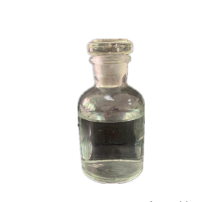
| form | Liquid |
| color | Clear |
| Odor | Ethereal; characteristic; sweet, alcoholyc; like natural gas. |
| explosive limit | 1.9-36%(V) |
| Water Solubility | 40 g/100 mL (20 ºC) |
| FreezingPoint | -112.13℃ |
| Thermal Conductivity | 0.171 W/(m·K) at 25 ℃ |
| Merck | 14,7856 |
| BRN | 79763 |
| Henry's Law Constant | Not an environmentally important parameter because propylene oxide reacts rapidly with water |
| Exposure limits | ACGIH TLV-TWA:2 ppm (4.8 mg/m3) OSHA PEL-TWA:100 ppm (240 mg/m³) |
| Stability: | Stable. Incompatible with acids, bases, oxidizing agents, copper, copper alloys, brass, bronze, iron, metal chlorides, peroxides and a wide variety of other materials. Reacts with compounds containing labile hydrogen. Extremely flammable - note low boiling point, low flash point and very wide explosion limits. Moisture sensitive. |
| InChI | 1S/C3H6O/c1-3-2-4-3/h3H,2H2,1H3 |
| InChIKey | GOOHAUXETOMSMM-UHFFFAOYSA-N |
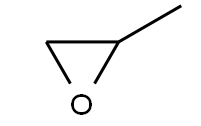
| SMILES | CC1CO1 |
| LogP | 0.030 |
| CAS DataBase Reference | 75-56-9(CAS DataBase Reference) |
| NIST Chemistry Reference | Propylene oxide(75-56-9) |
| IARC | 2B (Vol. Sup 7, 60) 1994 |
| EPA Substance Registry System | Propylene oxide (75-56-9) |
| Safety Information |
| Hazard Codes | F+,T |
| Risk Statements | 45-46-12-20/21/22-36/37/38 |
| Safety Statements | 53-45 |
| RIDADR | UN 1280 |
| WGK Germany | 3 |
| RTECS | TZ2975000 |
| Autoignition Temperature | 430 °C |
| TSCA | TSCA listed |
| HS Code | 2910 20 00 |
| HazardClass | 3 |
| PackingGroup | I |
| Storage Class | 3 - Flammable liquids |
| Hazard Classifications | Acute Tox. 3 Dermal Acute Tox. 3 Inhalation Acute Tox. 4 Oral Carc. 1B Eye Irrit. 2 Flam. Liq. 1 Muta. 1B STOT SE 3 |
| Hazardous Substances Data | 75-56-9(Hazardous Substances Data) |
| Toxicity | LD50 orally in rats: 1.14 g/kg (Smyth) |
| IDLA | 400 ppm |
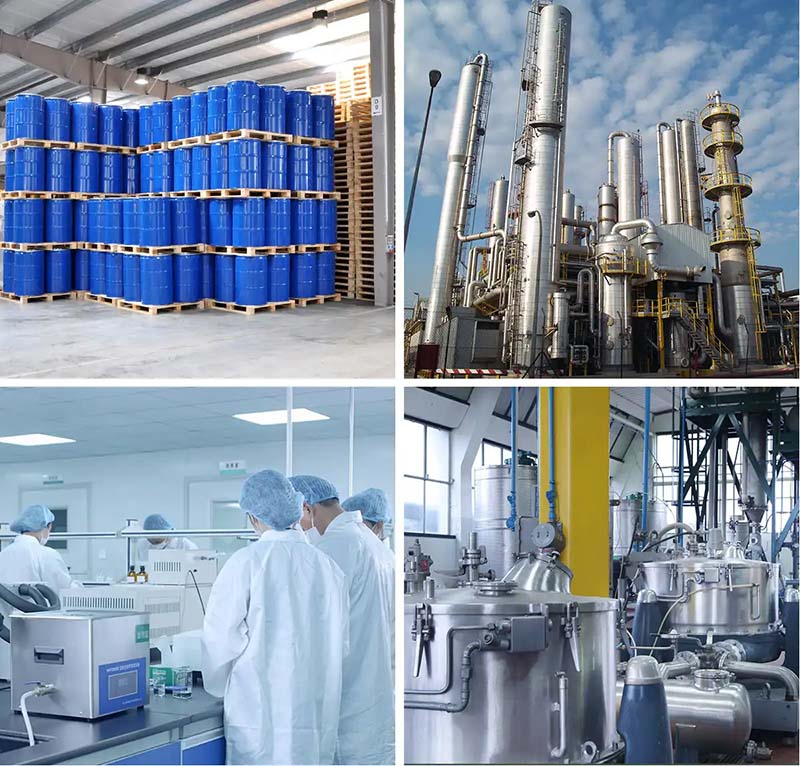
Fact Factory and Equipment Show