
Polypropylene #CAS9003-07-0
CAS Number:9003-07-0
Chemical Formula:C22H42O3
Synonyms:
PROPYLENE, ISOTACTIC RESIN
Modified polypropylene for automobile
Polypropylene full drawn yarn
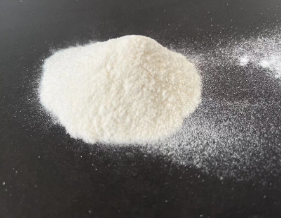
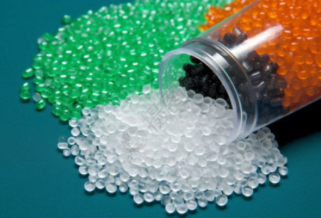
Appearance:Red Particles (Spherical)
MOQ (Minimum Order Quantity): 1 FCL (Full Container Load)
Polypropylene #CAS9003-07-0
Polypropylene is a low-density resin that offers a good balance of thermal, chemical, and electrical properties, along with moderate strength. Strength can be significantly increased by using reinforcing agents such as glass fiber. Polypropylene has limited heat resistance, but it can be used in applications that must withstand boiling water or steam sterilization.
Polypropylenes can resist chemical attack and are unaffected by aqueous solutions of inorganic salts or mineral acids and bases, even at high temperatures. They are not attacked by most organic chemicals, and there is no solvent for these resins at room temperature. The resins are attacked, however, by halogens, fuming nitric acid, other active oxidizing agents, and by aromatic and chlorinated hydrocarbons at high temperatures .
Polypropylene is translucent and autoclavable. Properties can be improved by compounding with fillers, by blending with synthetic elastomers, and by copolymerizing with small amounts of other monomers.
Translucent, white solid.Tensile strength 5000 psi, flexural strength 7000 psi, usable up to 121C. Insoluble in cold organic solvents; softened by hot solvents. Maintains strength after repeated flexing. Degraded by heat and light unless protected by antioxidants. Readily colored; good electrical resistance; low water absorption and moisture permeability; poor impact strength below 9.4C; not attacked by fungi or bacteria; resists strong acids and alkalies up to 60C, but is attacked by chlorine, fuming nitric acid, and other strong oxidizing agents. Combustible, but slow-burning. Fair abrasion and good heat resis- tance if properly modified. Can be chrome-plated, injectionand blow-molded, and extruded.
Application of Polypropylene
Polypropylene (PP) is a thermoplastic material used in a wide variety of applications including packaging, labeling, textiles, etc. Due to high processability and low cost, PP is one of the most extensively produced polymers, especially, for auto industry. Pristine PP is resistant to photo-oxidation and thermal oxidation at moderate temperatures. However, PP is sensitive to various external aging environments (such as heat, light, and radiation), and, hence, has a relatively low service temperature.When PP is exposed to high temperatures or to an irradiation environment, the tertiary hydrogen atoms present in PP chains are susceptible to be attacked by oxygen. It is well known that PP oxidation depends on both light and temperature in outdoor aging conditions. PP can also be photo-degraded because several molecular chains are affected in the wavelength range from 310 to 350 nm.
Used with ram- and screw-injection machines. For automotive, housewares, general molding products and multi- and monofiliment fiber.
Base polymer in hot melt adhesives and paper-laminating, extender and viscosity modifier in caulks and sealants and waterproofing agent in wire and cable applications。
| Polypropylene Chemical Properties |
| Melting point | 157 °C |
| Boiling point | 120-132 °C |
| density | 0.9 g/mL at 25 °C (lit.) |
| refractive index | n |
| Fp | >470 |
| storage temp. | -20°C |
| form | particles (Spherical) |
| color | red |
| Odor | odorless |
| biological source | human |
| Merck | 13,7663 |
| Dielectric constant | 1.5(Ambient) |
| Cosmetics Ingredients Functions | VISCOSITY CONTROLLING |
| InChI | 1S/C22H42O3/c1-2-3-4-5-11-14-17-20-21(25-20)18-15-12-9-7-6-8-10-13-16-19-22(23)24/h20-21H,2-19H2,1H3,(H,23,24)/t20-,21+/m1/s1 |
| InChIKey | NSYDMBURIUSUDH-RTWAWAEBSA-N |
| SMILES | CC=C |
| NIST Chemistry Reference | Polypropylene, atactic(9003-07-0) |
| IARC | 3 (Vol. 19, Sup 7) 1987 |
| EPA Substance Registry System | Polypropylene (9003-07-0) |
| Safety Information |
| WGK Germany | 3 |
| RTECS | UD1842000 |
| TSCA | TSCA listed |
| HS Code | 39021000 |
| Storage Class | 11 - Combustible Solids |
| Hazardous Substances Data | 9003-07-0(Hazardous Substances Data) |
| Toxicity | LD50 intraperitoneal in rat: > 110gm/kg |
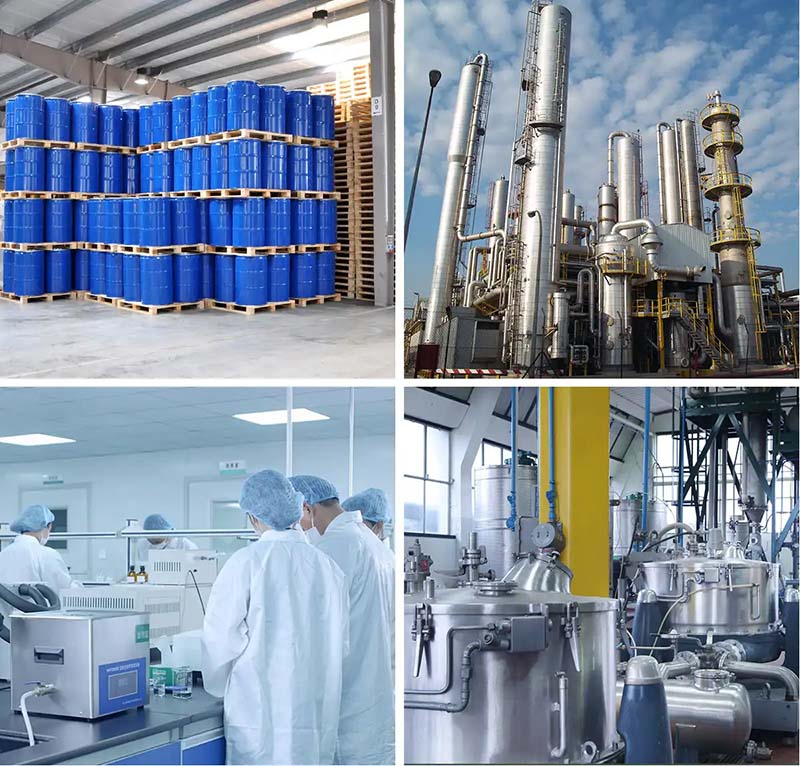
Fact Factory and Equipment Show