Vitamin B12 CAS:68-19-9
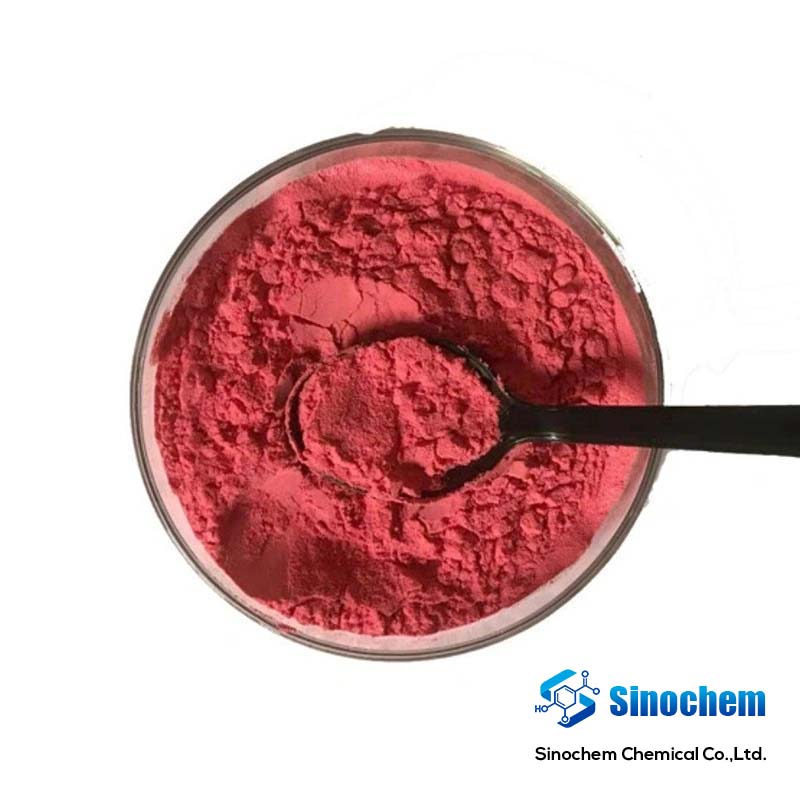
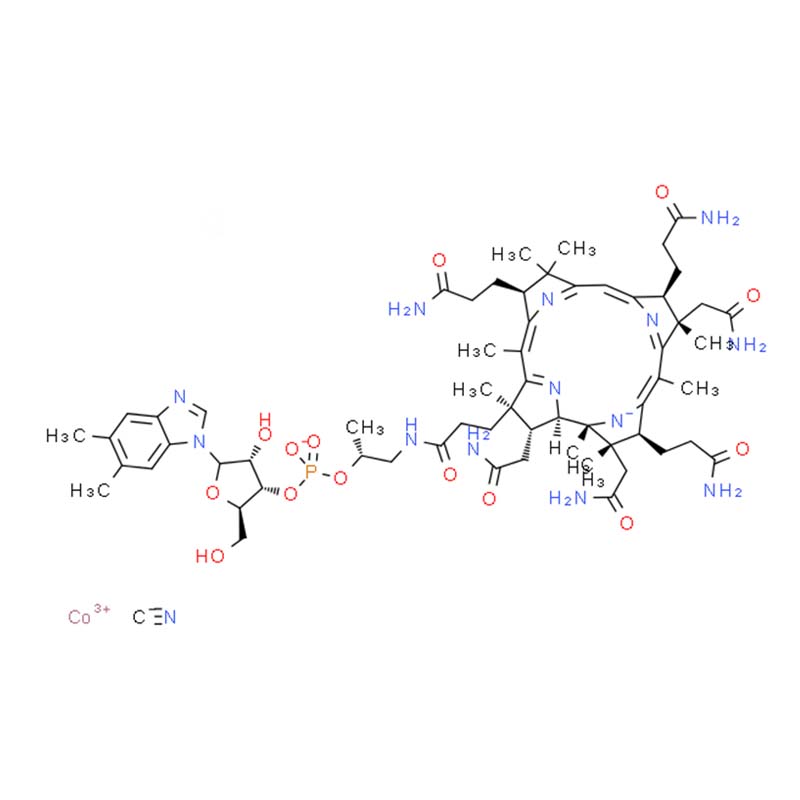
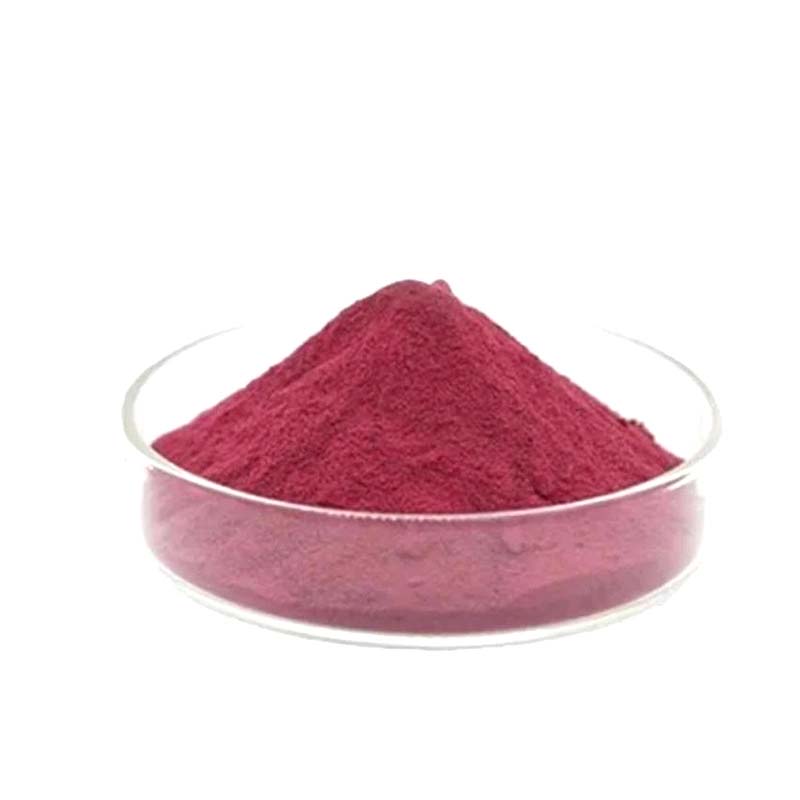
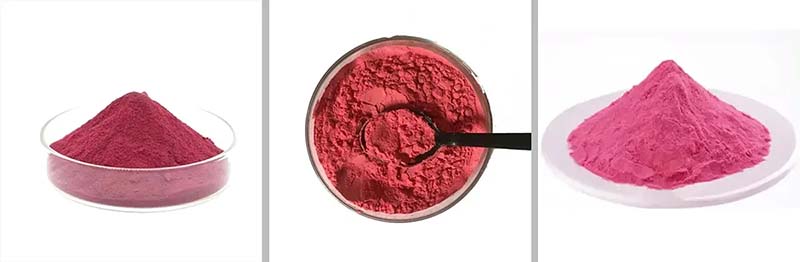
Vitamin B12 (VB12): frequently referred to as cobalamin, represents a distinct category within the B-complex vitamins. Structurally, it is the most intricate vitamin molecule identified to date, characterized as a complex organic compound featuring a central trivalent cobalt ion situated within a guanidine ring analogous to porphyrin. Uniquely among vitamins, it incorporates a metal ion, and its physical manifestation as red crystals has led to the moniker "red vitamin." Since plants are incapable of synthesizing or containing VB12, primary dietary sources include liver, milk, meat, eggs, and fish. Biologically, VB12 functions as an indispensable coenzyme for the biosynthesis of ribonucleic acid and deoxyribonucleic acid. Insufficient levels of this vitamin can precipitate severe neurological disorders, including peripheral neuropathy and central encephalopathy.
| VITAMIN B12 Chemical Properties |
| storage temp. | 2-8°C |
Melting point | >300°C |
23656 -59 ± 9° (dil aq soln) | |
Boiling point | >300 °C |
bulk density | 450-600kg/m3 |
Fp | 9℃ |
storage temp. | 2-8°C |
solubility | Sparingly soluble in water and in ethanol (96 per cent), practically insoluble in acetone. The anhydrous substance is very hygroscopic. |
pka | pKa 3.28±0.04(H2O,D2O t=23±0.5 Iunspeci?ed) (Uncertain) |
form | Crystalline Powder or Crystals |
color | Red to dark red |
Odor | dark red cryst. or powd., odorless and tasteless |
PH | 6.0 (20°C, 1g/L in H2O) |
biological source | synthetic ((organic)) |
Water Solubility | Soluble |
Sensitive | Hygroscopic |
Merck | 1410014 |
BRN | 4122889 |
Exposure limits | NIOSH: IDLH 25 mg/m3 |
Stability: | Hygroscopic. Keep cold and dry. |
InChIKey | RMRCNWBMXRMIRW-WZHZPDAFSA-L |
LogP | 3.570 (est) |
EPA Substance Registry System | Vitamin B12 (68-19-9) |
Safety Information | |
Hazard Codes | |
HS Code | 2936260000 |
Hazardous Substances Data | 68-19-9(Hazardous Substances Data) |
Toxicity | LD50 intravenous in mouse: 2gm/kg |
As an indispensable enzyme cofactor, vitamin B12 takes part in the synthetic processes of RNA and DNA. A lack of this nutrient is likely to trigger nervous system lesions involving the peripheral and central nerves.
These natural cobalt-coordinated compounds are structurally built on the corrinoid skeleton. Differences in the molecular structure of vitamin B12 derivatives depend solely on the β-ligand bound to the central cobalt atom, and such homologs are collectively named cobalamins.
Commercial manufacturing of vitamin B12 mainly adopts microbial fermentation biosynthesis. Its major dietary origins include fish, meat, animal liver and dairy products, whereas plant foods barely contain any cobalamin.