Polymethylene polyphenyl polyisocyanate#CAS9016-87-9
Polymethylene polyphenyl polyisocyanate is a chain extender and a cross-linker that is used in the formation of a polyurethane system by forming amide linkages (NCO).
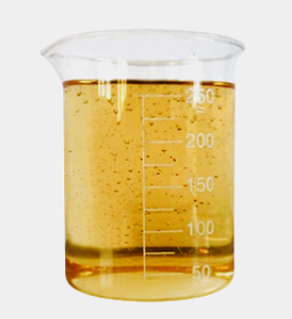
In the polyurethane rigid foam raw material system, the isocyanate component is commonly known as polyurethane black component; it is a mixture containing a certain amount of isocyanate and diphenylmethane diisocyanate (MDI) with high functionality, approximately 2.6–2.7. At room temperature, it is a dark brown liquid with a higher viscosity than the polyurethane white component (combined polyether). When polyurethane black and white components are mixed in a specific ratio, a polymerization reaction occurs, producing rigid polyurethane foam with an independent closed-cell structure. This is an ideal organic low-temperature insulation material, characterized by low thermal conductivity, energy saving, shock resistance, and strong adaptability. It can be prefabricated or cast on-site. It is widely used in oil refineries, chemical plants, ethylene chemical plants, cold storage facilities, single-refrigeration central air conditioning systems, refrigerators, and building insulation. With the national promotion of building energy conservation, polyurethane foam insulation systems, due to their excellent insulation performance, rapid construction, and reliable performance, have been widely used in the domestic insulation field.
Application of Polymethylene polyphenyl polyisocyanate
Poly[methylene(polyphenyl Isocyanate)] is an engineering polymer used in the synthesis of highly resiliant polyurethane foams with flame retardancy.Environmental toxin on US EPA Toxic Release Inventory list (TRI) list.
Polyurethane black pigment is widely used in the manufacture of rigid polyurethane foam insulation materials; it can also be used for thermal insulation, waterproofing, sound insulation, and noise reduction in building construction. Rigid foam boards are used for roofs, ceilings, wall panels, and floors. Rigid foam-filled hollow bricks are used for walls, and are particularly suitable for storage tanks, pipeline insulation, oil fields and pipelines, urban central heating, and pipeline corrosion protection and insulation. It is also used in refrigerated trucks, air-conditioned trucks, thermal insulation, and packaging of fragile goods. Due to its unique composition and structure, it has good foaming flow properties when applied to foam products, making it suitable for manufacturing products with strict requirements for the flow properties of the foaming solution. It is one of the main raw materials for forming rigid polyurethane foam.
Pure MDI is mainly used in the production of slurries, shoe sole raw materials, spandex, TPU, and polyurea spraying.
Polymerized MDI is mainly used in the production of rigid polyurethane foam and in the CASE (Chemical, Engineered, and Semiconductor) field. Rigid polyurethane foam is widely used in the insulation industry, such as refrigerators, freezers, solar water heaters, and insulated pipes, and can also be used in the production of imitation wood furniture and PU boards.
PAPI has low reactivity and a low vapor pressure, only one percent that of TDI, therefore its toxicity is very low. It is used in the manufacture of polyurethane adhesives. It can also be added directly to rubber adhesives to improve the adhesion between rubber and nylon or polyester yarns.
| Polymethylene polyphenyl polyisocyanate Chemical Properties |
| Boiling point | 392 °C5 mm Hg |
| density | 1.2 g/mL at 25 °C(lit.) |
| vapor density | 8.6 (vs air) |
| refractive index | n |
| Fp | >230 °F |
| storage temp. | Refrigerator, Under inert atmosphere |
| solubility | DMSO (Sparingly), Ethyl Acetate (Slightly), Methanol (Soluble) |
| form | Oil |
| color | Yellow to Orange |
| Specific Activity | ~3.2isocyanate groups/molecule |
| Stability: | Stable. Incompatible with strong oxidizing agents, alcohols. May decompose in moist air, or on contact with water. |
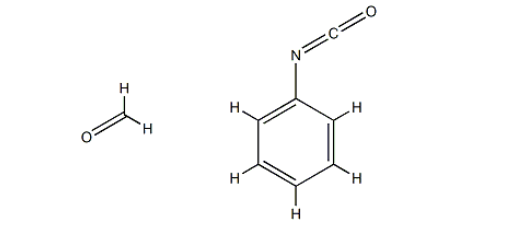
| InChI | InChI=1S/C7H5NO.CH2O/c9-6-8-7-4-2-1-3-5-7;1-2/h1-5H;1H2 |
| InChIKey | JTEOXXUIKUHXLD-UHFFFAOYSA-N |
| SMILES | O=C=NC1C([H])=C([H])C([H])=C([H])C=1[H].O=C([H])[H] |
| IARC | 3 (Vol. 19, Sup 7) 1987 |
| EPA Substance Registry System | Polymeric diphenylmethane diisocyanate (9016-87-9) |
| Safety Information |
| Hazard Codes | Xn,T+,T,F |
| Risk Statements | 20-36/37/38-42-42/43-26-22-39/23/24/25-23/24/25-11-20/21/22 |
| Safety Statements | 26-28-38-45-36/37-23-16-7-36 |
| WGK Germany | 3 |
| RTECS | TR0350000 |
| TSCA | TSCA listed |
| Storage Class | 10 - Combustible liquids |
| Hazard Classifications | Acute Tox. 4 Inhalation Carc. 2 Eye Irrit. 2 Resp. Sens. 1 Skin Irrit. 2 Skin Sens. 1 STOT RE 2 Inhalation STOT SE 3 |
| Hazardous Substances Data | 9016-87-9(Hazardous Substances Data) |
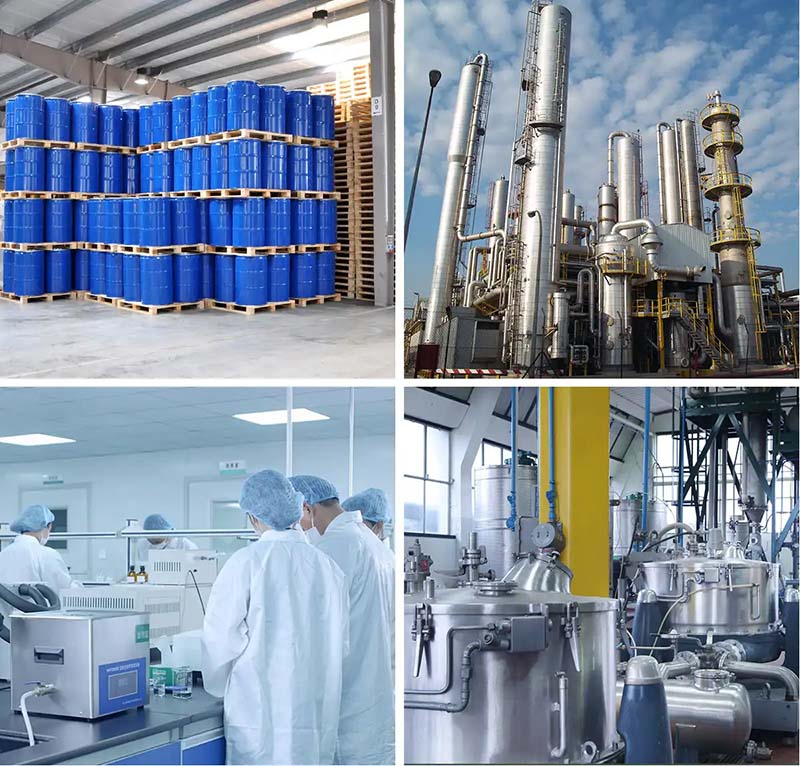
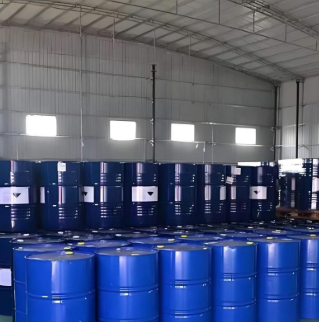
Fact Factory and Equipment Show