Suberic acid #CAS505-48-6
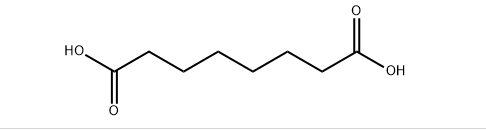
It was firstly produced by nitric acid oxidation of cork (Latin suber) material and then from castor oil. The oxidation of ricinoleic acid produces, by splitting at the level of the double bond and at the level of the OH group, at the same time, suberic acid (octanedioic acid) and the next homologue azelaic acid. Suberic acid was used in the manufacture of alkyd resins and in the synthesis of polyamides leading to nylon.
Application of Suberic acid
In the plastics industry.
Suberic Acid is used in the preparation of reduction-sensitive micelles affecting their cellular uptake. This has potential application in delivery of anticancer drugs. It is also used in the fluorescent detection of amidinium-carboxylate and amidinium formation.
Drug synthesis:
As a key synthetic precursor for perfluorinated analogs of succinyl aniline isohydroxamic acid (SAHA), it is used to prepare histone deacetylase inhibitors with potential anticancer activity.
It participates in the synthesis of half-ester analogs of pregnenolone sulfate (PES), compounds of which are of significant value in hormonal drug research.
Material modification:When used as a crosslinking agent for polyvinyl alcohol (PVA), it forms a three-dimensional network structure through esterification with the hydroxyl groups on the PVA chain. Experimental studies have shown that adding 0.5% by mass of octanoic acid can increase the tensile strength of the crosslinked PVA film from 18 MPa to 23.5 MPa.
| Suberic acid Chemical Properties |
| Melting point | 140-144 °C(lit.) |
| Boiling point | 230 °C15 mm Hg(lit.) |
| density | 1.3010 (rough estimate) |
| bulk density | 700kg/m3 |
| vapor pressure | 0Pa at 22.85℃ |
| refractive index | 1.4370 (estimate) |
| Fp | 203 °C |
| storage temp. | Store below +30°C. |
| solubility | 1.6g/l |
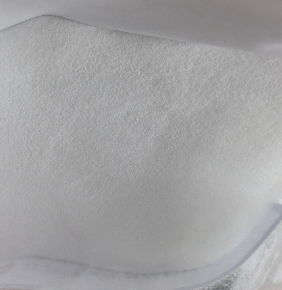
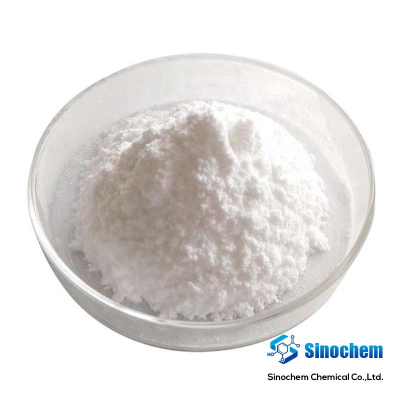
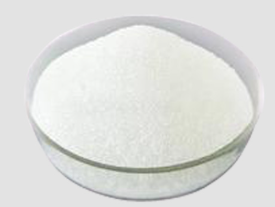
| form | Powder |
| pka | 4.52(at 25℃) |
| color | White to cream |
| PH | 3.79(1 mM solution);3.27(10 mM solution);2.76(100 mM solution); |
| Water Solubility | 0.6 g/L (20 ºC) |
| Merck | 14,8862 |
| BRN | 1210161 |
| Henry's Law Constant | 1.8×10⁶ mol/(m3Pa) at 25℃, Duchowicz et al. (2020) |
| Stability: | Stable. Combustible. Incompatible with strong oxidizing agents, reducing agents, bases. |
| InChI | 1S/C8H14O4/c9-7(10)5-3-1-2-4-6-8(11)12/h1-6H2,(H,9,10)(H,11,12) |
| InChIKey | TYFQFVWCELRYAO-UHFFFAOYSA-N |
| SMILES | OC(=O)CCCCCCC(O)=O |
| LogP | 0.59 at 25℃ and pH7.08 |
| CAS DataBase Reference | 505-48-6(CAS DataBase Reference) |
| NIST Chemistry Reference | Octanedioic acid(505-48-6) |
| EPA Substance Registry System | Octanedioic acid (505-48-6) |
| Safety Information |
| Hazard Codes | Xi |
| Risk Statements | 36-36/37/38 |
| Safety Statements | 26-39-36 |
| WGK Germany | 1 |
| Autoignition Temperature | 430°C |
| TSCA | TSCA listed |
| HS Code | 29171990 |
| Storage Class | 11 - Combustible Solids |
| Hazard Classifications | Eye Irrit. 2 |
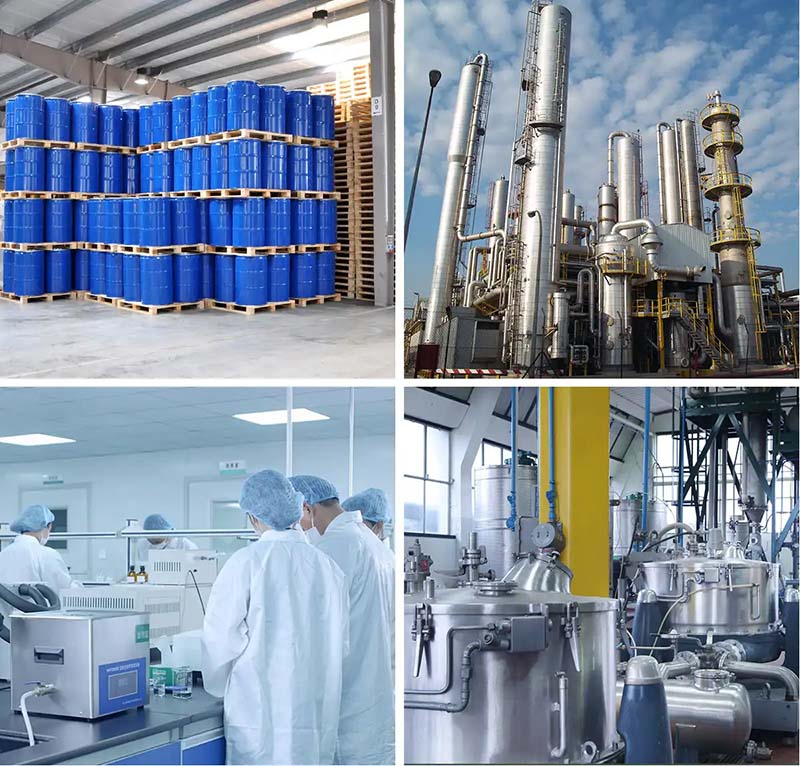
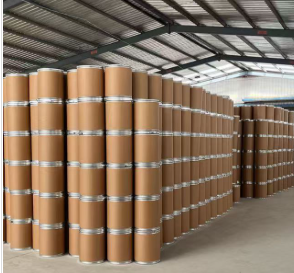
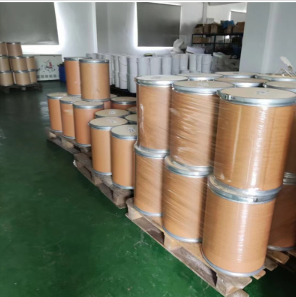
Fact Factory and Equipment Show