
Ascorbyl Palmitate #CAS137-66-6
Ascorbyl Palmitate #CAS137-66-6
Ascorbyl palmitate is a lipophilic derivative of ascorbic acid with antioxidant and antiproliferative activities. It scavenges hydroxyl radicals in cell-free assays. Ascorbyl palmitate (0.01%) reduces the rate of autoxidation of soybean, safflower, sunflower, peanut, and corn oil. It inhibits increases in epidermal ornithine decarboxylase activity and DNA synthesis induced by phorbol 12-myristate 13-acetate (TPA; ) in mice in a concentration-dependent manner when applied topically. Ascorbyl palmitate (0.8 and 4 μmol per 200 μl of acetone, applied topically) reduces the number of tumors per mouse and the percentage of mice with tumors in a mouse skin two-stage model of tumor formation initiated and promoted by 7,12-dimethylbenz[a]anthracene (DMBA) and TPA, respectively. Formulations containing ascorbyl palmitate have been used as antioxidants and preservatives in foods, pharmaceuticals, and cosmetics.
Application of Ascorbyl Palmitate
Ascorbyl Palmitate is an ester formed from ascorbic acid and palmitic acid creating a fat soluble form of vitamin C. It is used as an antioxidant food additive. It is also used as a preservative and an anti-oxidant in cosmetic creams and lotions to prevent rancidity. Ascorbyl palmitate facilitates the incorporation of ingredients such as vitamins A, C, and D into cosmetic formulations. It has no known toxicity.
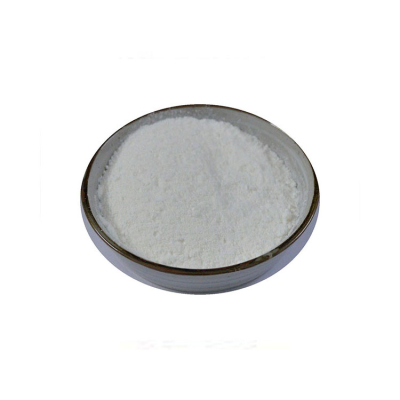
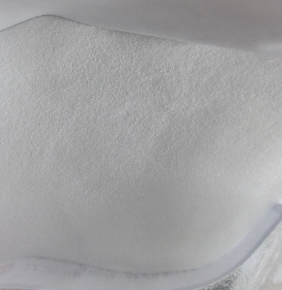
Ascorbyl Palmitate is an antioxidant formed by combining ascorbic acid with palmitic acid. ascorbic acid is not fat soluble but ascorbyl palmitate is, thus combining them produces a fat-soluble antioxidant. it exists as a white or yellowish white powder of citric- like odor. it is used as a preservative for natural oils, edible oils, colors, and other substances. it acts synergistically with alpha-tocopherol in oils/fats. it is used in peanut oil at a maximum level of 200 mg/kg individually or in combination.
| Ascorbyl Palmitate Chemical Properties |
| Melting point | 115-118 °C(lit.) |
| alpha | +21~+26°(20℃/D, c=2, C2H5OH) |
| Boiling point | 512.7±50.0 °C(Predicted) |
| density | 1.150±0.06 g/cm3(Predicted) |
| refractive index | 22.5 ° (C=1, EtOH) |
| storage temp. | 2-8°C |
| solubility | Slightly soluble in ethyl alcohol. |
| pka | 3.96±0.10(Predicted) |
| form | Solid |
| color | White to Pale Gray |
| Odor | wh. or yel.-wh. powd., citrus odor |
| Optical Rotation | [α]20/D +23±1°, c = 1% in ethanol |
| biological source | synthetic |
| BRN | 96552 |
| Henry's Law Constant | 7.0×101 mol/(m3Pa) at 25℃, HSDB (2015) |
| Major Application | pharmaceutical (small molecule) |
| Cosmetics Ingredients Functions | FRAGRANCE ANTIOXIDANT |
| Cosmetic Ingredient Review (CIR) | Ascorbyl Palmitate (137-66-6) |
| InChI | 1S/C22H38O7/c1-2-3-4-5-6-7-8-9-10-11-12-13-14-15-18(24)28-16-17(23)21-19(25)20(26)22(27)29-21/h17,21,23,25-26H,2-16H2,1H3/t17-,21+/m0/s1 |
| InChIKey | QAQJMLQRFWZOBN-UWJYYQICSA-N |
| SMILES | CCCCCCCCCCCCCCCC(=O)OC[C@H](O)[C@H]1OC(=O)C(O)=C1O |
| LogP | 6.5 at 30℃ and pH1.9 |
| CAS DataBase Reference | 137-66-6(CAS DataBase Reference) |
| EPA Substance Registry System | Ascorbyl palmitate (137-66-6) |
| Safety Information |
| Hazard Codes | Xn |
| Risk Statements | 20/21/22-36/37/38 |
| Safety Statements | 26-36-24/25 |
| WGK Germany | 1 |
| RTECS | CI7671040 |
| TSCA | TSCA listed |
| HS Code | 2936 27 00 |
| Storage Class | 11 - Combustible Solids |
| Hazard Classifications | Eye Irrit. 2 |
| Hazardous Substances Data | 137-66-6(Hazardous Substances Data) |
| Toxicity | LD50 orally in Rabbit: > 5000 mg/kg |
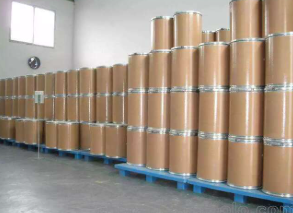
Fact Factory and Equipment Show