
Hydroquinone #CAS123-31-9
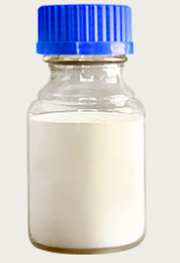
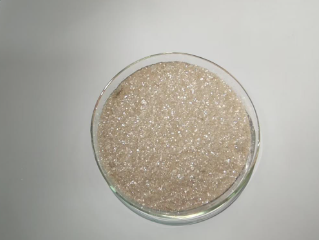
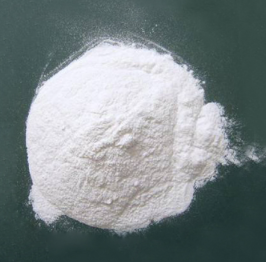
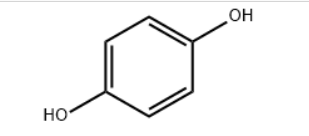
Hydroquinone, also known as 1,4-benzene, has the molecular formula C6H6O2 and a molecular weight of 110.11. It is a colorless or white crystalline solid. It readily changes color upon exposure to light. Its aqueous solution oxidizes in air to a brown color, and oxidation is accelerated in alkaline media. Its melting point is 170–171℃, boiling point is 285–287℃, relative density is 1.33215, and UV wavelength in water is 288 nm. It is readily soluble in hot water, ethanol, and ether, and slightly soluble in benzene. It is chemically reactive, easily oxidized, and can undergo esterification and substitution reactions.
Hydroquinone is an important organic developer that only functions in a strongly alkaline solution. Its reduction rate is slower than Metol, but once the image appears, the density increases rapidly, resulting in greater contrast. Development is fastest at 27°C–29°C, slows below 15°C, and almost stops below 5°C. Larger amounts can produce a warming effect in photographs. It is used as a general photographic developer; a physical developer and redeveloping reducing agent. It is generally used in combination with phenoxybenzene and Metol.
Hydroquinone is a white, needle-like crystal, flammable, soluble in hot water, ether, and ethanol, and slightly soluble in benzene. It has reducing properties; mild oxidation yields brown p-benzoquinone (C6H4O2), and reduction of p-benzoquinone returns to hydroquinone. The p-benzoquinone-hydroquinone redox couple exists in many biomolecules, such as coenzyme Q.
The phenolic hydroxyl hydrogen in hydroquinone is weakly acidic and can lose one or two protons to form the corresponding phenolate anion. It is mainly used as a reducing agent, a developing agent (reducing silver halides to silver), a polymerization inhibitor for monomers (acrylic acid, methyl methacrylate), and a skin whitening agent. Hydroquinone ethers are raw materials in the production of dyes and fragrances.
Application of Hydroquinone
Hydroquinone is an intermediate for the herbicides quizalofop-p-ethyl, haloxyfop-P-ethyl, thiamethoxam, oxazol, flupyridine, and lactoferrin, and is also an intermediate for pharmaceuticals and dyes.
Hydroquinone is primarily used as a photographic developer. Hydroquinone and its alkylates are widely used as polymerization inhibitors added during monomer storage and transportation, typically at concentrations of around 200 ppm. Hydroquinone monomethyl ether is an intermediate in the production of the edible oil antioxidant BHA; hydroquinone dimethyl ether is an intermediate in dyes, organic pigments, and fragrances; and hydroquinone diethyl ether is an intermediate in photosensitive pigments and dyes. Hydroquinone is also used to produce N,N'-diphenyl-p-phenylenediamine, an antioxidant and deodorizing agent used in rubber and gasoline.
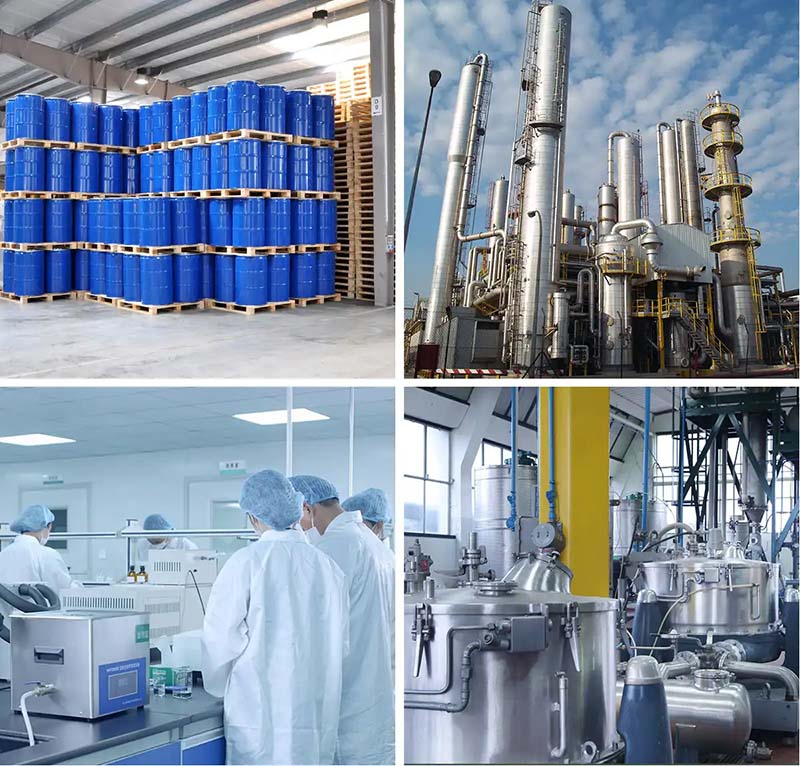
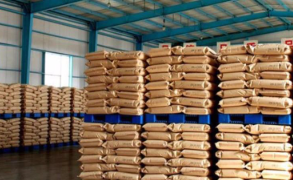
Fact Factory and Equipment Show