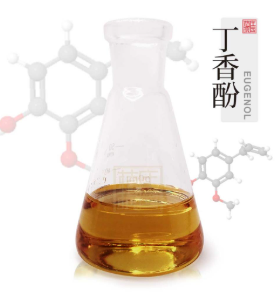
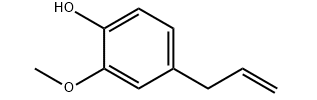
Eugenol #CAS97-53-0
Eugenol is naturally found in essential oils such as clove oil, clove basil oil, and cinnamon oil. It is a colorless to pale yellow viscous oily liquid with a strong clove and spicy aroma. Currently, industrial production of eugenol mostly involves isolating eugenol-rich essential oils through alkali treatment. Typically, sodium hydroxide solution is added to the oil to be separated, and after heating and stirring, the non-phenolic oily portion floating on the surface is extracted with a solvent or steam-distilled. Then, sodium salt is added to acidify the crude eugenol, which is washed with water until neutral, and then purified by vacuum distillation. Synthetic production of eugenol involves numerous side reactions, making separation and purification difficult and affecting product quality; this method requires future improvement and refinement. Eugenol can be used in perfumes, fragrances, and various cosmetic and soap fragrance formulations, with a dosage of up to 20%. It can also be used in food flavoring formulations. IFRA has no restrictions on its use.
Application of Eugenol
Eugenol has a strong bactericidal and local anti-corrosive effect. It could be used for dental caries as a local analgesic drug. Eugenol is an intermediate of some other spices. Derivatives are eugenol, methyl eugenol, methyl isobutyl eugenol, acetylbutanoic eugenol, acetyl tauer eugenol, and benzyl isobornylphenol. When the eugenol is heated in potassium hydroxide, the double bond of propenyl is rearranged to form α-propenyl conjugated to the benzene ring to obtain isobutanol. Then acetylation and mild oxidation of isobutanol and α-propenyl cleavage is carried out. Finally we get vanillin, which is the main ingredient of an important artificial flavoring. Eugenol can also be used to prepare isonicid that is the specific drug for treatment of tuberculosis. It also could lower blood pressure.
eugenol is a botanical fraction. It is anti-bacterial, anti-inflammatory, and pain relieving. It can also be used as a local, topical anesthetic and antiseptic. In a cosmetic formulation, it can mask odor or provide fragrance. eugenol is a yellow, oily liquid and is generally associated with clove oil. However, it is also found in nutmeg, cinnamon, and bay leaf.
Eugenol is a flavoring obtained from clove oil and also found in car- nation and cinnamon leaves. it is a stable, light yellow-green liquid of clove odor. it is slightly soluble in water and miscible in alcohol. it should be stored in glass or tin, avoiding iron containers. it is used in spice oils for application in condiments and meats at 100–200 ppm and in baked goods and candy at approximately 30 ppm.
| Eugenol Chemical Properties |
| Melting point | -12--10 °C (lit.) |
| Boiling point | 254 °C (lit.) |
| density | 1.067 g/mL at 25 °C (lit.) |
| vapor pressure | <0.1 hPa (25 °C) |
| FEMA | 2467 | EUGENOL |
| refractive index | n |
| Fp | >230 °F |
| storage temp. | 2-8°C |
| solubility | 2.46g/l |
| form | Liquid |
| pka | pKa 9.8 (Uncertain) |
| color | Clear pale yellow to yellow |
| Odor | at 10.00 % in dipropylene glycol. sweet spicy clove woody |
| Odor Type | spicy |
| biological source | synthetic |
| Water Solubility | slightly soluble |
| Sensitive | Air Sensitive |
| JECFA Number | 1529 |
| Merck | 14,3898 |
| BRN | 1366759 |
| Henry's Law Constant | 9.2×100 mol/(m3Pa) at 25℃, McFall et al. (2020) |
| Dielectric constant | 6.1(18℃) |
| Stability: | Stable. Combustible. Incompatible with strong oxidizing agents. |
| Major Application | agriculture cleaning products cosmetics environmental flavors and fragrances food and beverages personal care |
| Cosmetics Ingredients Functions | DENATURANT TONIC PERFUMING |
| InChI | 1S/C10H12O2/c1-3-4-8-5-6-9(11)10(7-8)12-2/h3,5-7,11H,1,4H2,2H3 |
| InChIKey | RRAFCDWBNXTKKO-UHFFFAOYSA-N |
| SMILES | COc1cc(CC=C)ccc1O |
| LogP | 1.83 at 30℃ |
| CAS DataBase Reference | 97-53-0(CAS DataBase Reference) |
| NIST Chemistry Reference | Eugenol(97-53-0) |
| IARC | 3 (Vol. 36, Sup 7) 1987 |
| EPA Substance Registry System | Eugenol (97-53-0) |
| Safety Information |
| Hazard Codes | Xn,Xi |
| Risk Statements | 22-36/37/38-42/43-38-40-43-36/38 |
| Safety Statements | 26-36-24/25-23-36/37 |
| RIDADR | UN1230 - class 3 - PG 2 - Methanol, solution |
| WGK Germany | 1 |
| RTECS | SJ4375000 |
| F | 10-23 |
| TSCA | TSCA listed |
| HS Code | 29095090 |
| Storage Class | 10 - Combustible liquids |
| Hazard Classifications | Eye Irrit. 2 Skin Sens. 1 |
| Hazardous Substances Data | 97-53-0(Hazardous Substances Data) |
| Toxicity | LD50 in rats, mice (mg/kg): 2680, 3000 orally (Hagan) |
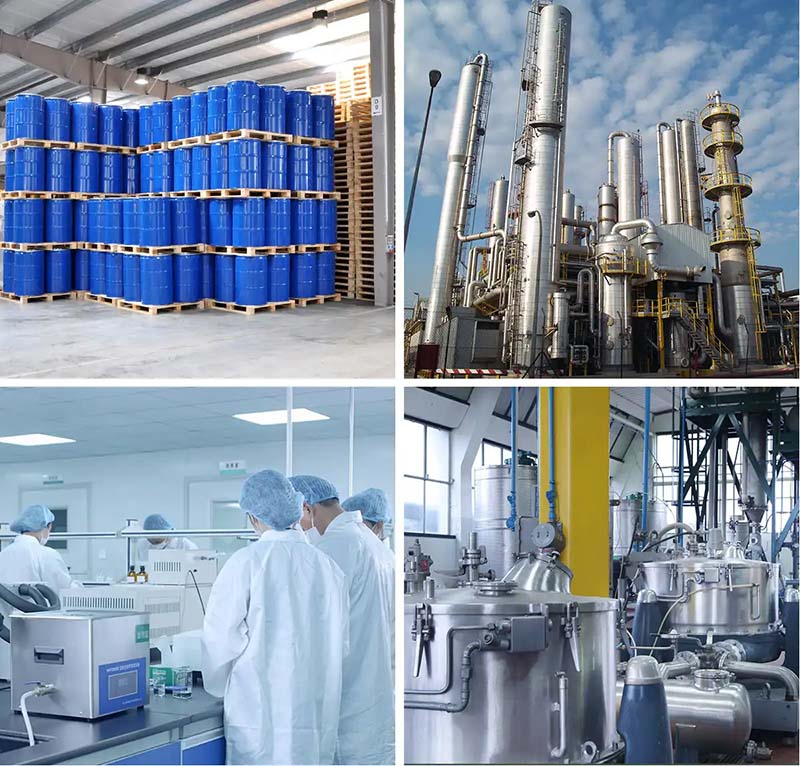
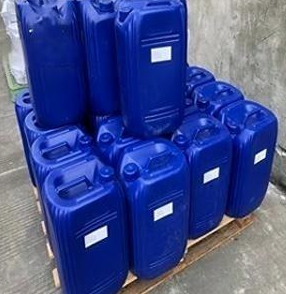
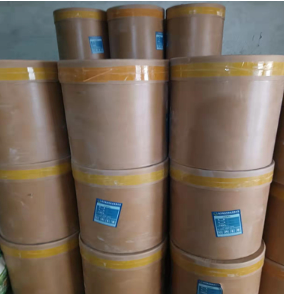
Fact Factory and Equipment Show