Hyaluronic acid #CAS9004-61-9
Hyaluronic acid #CAS9004-61-9
Hyaluronic acid is an acidic mucopolysaccharide that exhibits a variety of important physiological functions in the body due to its unique molecular structure and physicochemical properties. These functions include lubricating joints, regulating vascular permeability, regulating protein and electrolyte diffusion and transport, and promoting wound healing. Most importantly, hyaluronic acid possesses exceptional water-retention properties, making it the best-performing moisturizing substance found in nature and earning it the title of an ideal natural moisturizing factor.
Hyaluronic acid is an essential drug in ophthalmic “sticky surgeries”. It is used in cataract surgery, in which its sodium salt remains in the anterior chamber to maintain depth in the anterior chamber and ensure a clear surgical view. It reduces the occurences of postoperative inflammation and complications, thus improving the vision-correcting effects of the surgery. It is also used in complicated retinol detachment surgery. Hyaluronic acid has a low molecular weight and is considered the ideal natural moisturizing agent, so it is used as an additive in high-end makeup and as a moisturizer in creams, gels, lotions, masks, and serums. It is also used medically as a moisturizer to improve moisture retention and lubrication, and it also expands capillaries and improves skin health. For example, hyaluronic acid with a low molecular weight can be used as a lubricant in surgeries (such as knee surgery), while those with high molecular weight can be used as surgical lubricant and as a substitute for vitreous in ophthalmic surgery.
Appplication of Hyaluronic acid
Hyaluronic acid is a naturally derived, non - immunogenic, non - adhesive glycosaminoglycan that plays a prominent role in various wound - healing processes, as it as it is naturally angiogenic when degraded to small fragments. Hyaluronic acid promotes early inflammation which is critical for initiating wound healing, but then moderates later stages of the process, allowing matrix stabilization and reduction of long term inflammation. Hyaluronic acid is a main source for pharmaceutical, medical and cosmetic application.
Hyaluronic acid is a glycosaminoglycan component. Hyaluronic acid occurs naturally in the dermis. It is thought to play a critical role in healthy skin by controlling the physical and biochemical characteristics of epidermal cells. It also regulates general skin activity, such as water content, elasticity, and the distribution of nutrients. Its water-absorption abilities and large molecular structure allow the epidermis to achieve greater suppleness, proper plasticity, and turgor. Hyaluronic acid is a natural moisturizer with excellent water-binding capabilities. In a solution of 2 percent hyaluronic acid and 98 percent water, the hyaluronic acid holds the water so tightly that it appears to create a gel. However, it is a true liquid in that it can be diluted and will exhibit a liquid’s normal viscous flow properties. When applied to the skin, hyaluronic acid forms a viscoelastic film in a manner similar to the way it holds water in the intercellular matrix of dermal connective tissues. This performance and behavior suggests that hyaluronic acid makes an ideal moisturizer base, allowing for the delivery of other agents to the skin. Manufacturers claim that the use of hyaluronic acid in cosmetics results in the need for much lower levels of lubricants and emollients in a formulation, thereby providing an essentially greaseless product. Furthermore, its ability to retain water gives immediate smoothness to rough skin surfaces and significantly improves skin appearance. For the benefits of hyaluronic acid to be realized in a cosmetic, the product needs to be applied on a regular basis as it is broken down in skin within 24 to 48 hours of application. note, this is not the case with hyaluronic acid injections as the technology used is different.
| Hyaluronic acid Chemical Properties |
| storage temp. | −20°C |
| solubility | H2O: 5 mg/mL, clear, colorless |
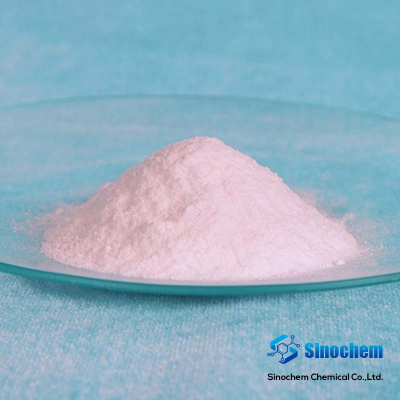
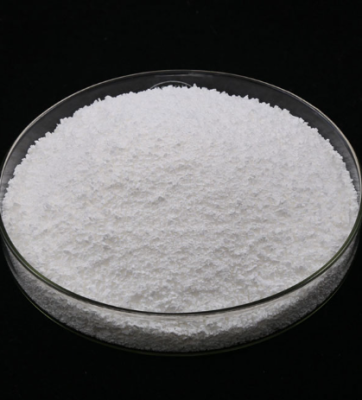
| form | Lyophilized Powder |
| color | White |
| Odor | Odorless |
| Optical Rotation | -70~-80 |
| Water Solubility | Soluble in water. |
| Major Application | 3D bioprinting tissue engineering (Hydrogels) |
| Cosmetics Ingredients Functions | SKIN CONDITIONING ANTISTATIC MOISTURISING HUMECTANT |
| Cosmetic Ingredient Review (CIR) | Hyaluronic acid (9004-61-9) |
| InChIKey | MAKUBRYLFHZREJ-IUPJJCKZNA-M |
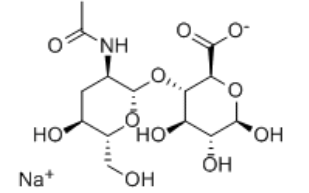
| SMILES | [C@@H]1(O[C@H]2[C@H](O)[C@H]([C@H](O)O[C@@H]2C(=O)[O-])O)O[C@H](CO)[C@@H](O)C[C@H]1NC(=O)C.[Na+] |&1:0,2,3,5,6,9,15,18,21,r| |
| LogP | -6.623 (est) |
| CAS DataBase Reference | 9004-61-9 |
| EPA Substance Registry System | Hyaluronic acid (9004-61-9) |
| Safety Information |
| Hazard Codes | B |
| Safety Statements | 22-24/25 |
| WGK Germany | 3 |
| RTECS | MT7250000 |
| F | 3-10 |
| TSCA | TSCA listed |
| Hazardous Substances Data | 9004-61-9(Hazardous Substances Data) |
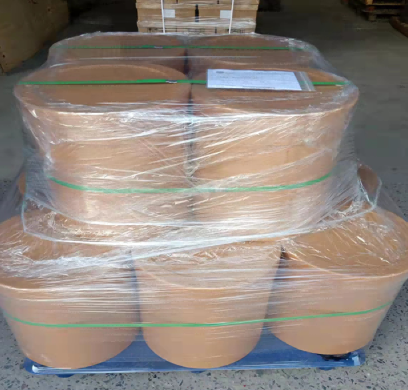
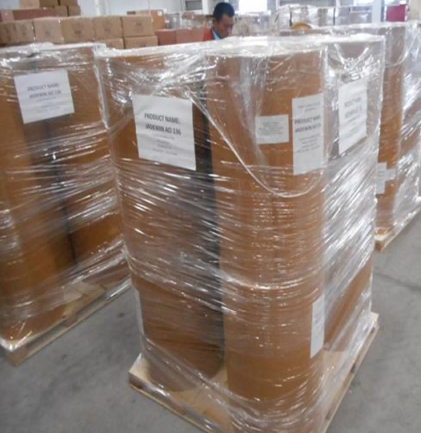
Fact Factory and Equipment Show