Sorbitol #CAS50-70-4
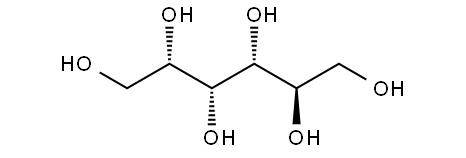
Sorbitol is a non-volatile polyhydric sugar alcohol. It is chemically stable and not easily to be oxidized by air. It is easily soluble in water, hot ethanol, methanol, isopropanol, butanol alcohol, cyclohexanol, phenol, acetone, acetic acid and dimethyl formamide. It is widely distributed in nature plant fruit. It is not easy to be fermented by various kinds of microorganism and have a excellent heat resistance without decomposing even at high temperature (200 °C). It is initially separated from the mountain strawberry by the Boussingault (French) et al. The pH value of the saturated aqueous solution is 6 to 7. It is isomer of mannitol, Taylor alcohol, and galactose alcohol. It has a refreshing sweet taste with sweetness being 65% of sucrose. It has excellent moisture absorption capability with a low calorific value and has very wide range of effects on the food, cosmetic, pharmaceutical field. When applied in food, it can prevent the food drying, aging, and can extend the shelf life of products as well as effectively prevent the precipitation of sugars and salts contained in the foods and thus maintain the strength balance of sweetness, sour, bitter and enhance food flavor. It can be synthesize from the hydrogenation of glucose under heating and high pressure with the existence of nickel catalyst.
Application of Sorbitol
1. Daily chemical industry
Sorbitol can be used as an excipient, moisturizing agents, and antifreeze agents in toothpaste, with the added amount being up to 25 to 30%. This can help maintain the lubrication, color, and good taste for the paste. In cosmetics field, it is used as an anti-drying agent (substitute glycerol) which can enhance the stretch and lubricity of emulsifier, and thus is suitable for long-term storage; Sorbitan esters and sorbitan fatty acid ester as well as its ethylene oxide adducts having a advantage of a small skin irritation which is thus widely used in the cosmetics industry.
2. The food industry
Adding sorbitol into foods can prevent the drying of food and make food stay fresh and soft. Application in bread cake has a significant effect.
The sweetness of sorbitol is lower than that of sucrose, and can’t be exploited by any bacteria. It is an important raw material for production of sugar-free candy and a variety of anti-caries food. Since the metabolism of the product does not cause increase of blood sugar, it can also be applied as a sweetener agent and nutrient agent for the food of patients with diabetes.
Sorbitol does not contain an aldehyde group and is not easily oxidized. It will not have Maillard reaction with amino acids upon heating. It also has certain physiological activity. It can prevent the denaturation of the carotenoids and edible fats and protein; adding this product to the concentrated milk can extend the shelf life; it can also be used to improve the color, flavor and taste of small intestine and has significant stabilizing effect and long-term storage effect on fish pate. Similar effect can also be observed in the jam.
3. the pharmaceutical industry
Sorbitol can be used as raw material in vitamin C; also can be used as feed syrup, injection fluids, and raw material of medicine tablet; as a drug dispersion agent and fillers, cryoprotectants, anti-crystallizing agent, medicine stabilizers, wetting agents, capsules plasticized agents, sweetening agents, and ointment matrix.
4. the chemical industry
Sorbitol abietin is often used as the raw material for common architectural coatings, also used as plasticizers and lubricants for application in polyvinyl chloride resin and other polymers.
It can from complex with iron, copper, and aluminum ion in alkaline solution to be applied to the washing and bleaching in textile industry.
Using sorbitol and propylene oxide as a starting material can produce rigid polyurethane foam as well as have some flame retardant properties.
The above information is edited by the Chemicalbook of Dai Xiongfeng.
| Sorbitol Chemical Properties |
| Melting point | 98-100 °C (lit.) |
| alpha | 4 º (per eur. pharm.) |
| Boiling point | bp760 105° |
| bulk density | 450kg/m3 |
| density | 1.28 g/mL at 25 °C |
| vapor density | <1 (vs air) |
| vapor pressure | <0.1 mm Hg ( 25 °C) |
| refractive index | n |
| FEMA | 3029 | D-SORBITOL |
| Fp | >100°C |
| storage temp. | room temp |
| solubility | Very soluble in water, slightly soluble in ethanol |
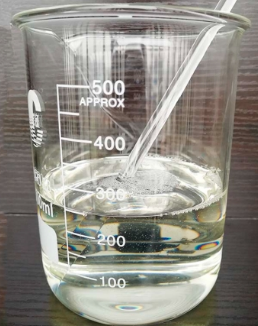
| form | liquid |
| pka | pKa (17.5°): 13.6 |
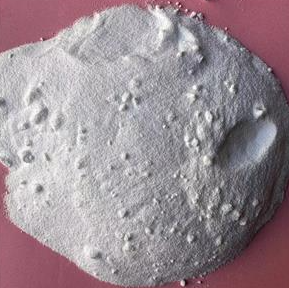
| color | White |
| Specific Gravity | 1.28 |
| Odor | Odorless |
| PH Range | 5 - 7 at 182 g/l at 25 °C |
| PH | 5.0-7.0 (25℃, 1M in H2O) |
| Optical Rotation | [α]20/D 1.5±0.3°, c = 10% in H2O |
| Odor Type | caramellic |
| Water Solubility | SOLUBLE |
| Sensitive | Hygroscopic |
| λmax | λ: 260 nm Amax: 0.04 λ: 280 nm Amax: 0.045 |
| Merck | 14,8725 |
| BRN | 1721899 |
| Henry's Law Constant | 6.6×10¹⁴ mol/(m3Pa) at 25℃, Compernolle and Müller (2014) |
| Dielectric constant | 33.5(27℃) |
| Stability: | Stable. Avoid strong oxidizing agents. Protect from moisture. |
| Cosmetics Ingredients Functions | PERFUMING HUMECTANT FRAGRANCE SKIN CONDITIONING |
| InChI | 1S/C6H14O6/c7-1-3(9)5(11)6(12)4(10)2-8/h3-12H,1-2H2/t3-,4+,5-,6-/m1/s1 |
| InChIKey | FBPFZTCFMRRESA-JGWLITMVSA-N |
| SMILES | OC[C@@H](O)[C@@H](O)[C@H](O)[C@@H](O)CO |
| LogP | -4.67 |
| CAS DataBase Reference | 50-70-4(CAS DataBase Reference) |
| NIST Chemistry Reference | Sorbitol(50-70-4) |
| EPA Substance Registry System | Sorbitol (50-70-4) |
| Safety Information |
| Hazard Codes | Xi |
| Risk Statements | 36/37/38 |
| Safety Statements | 8-36-26-24/25 |
| WGK Germany | 2 |
| RTECS | LZ4290000 |
| F | 3 |
| Autoignition Temperature | 420 °C |
| TSCA | TSCA listed |
| HS Code | 29054491 |
| Storage Class | 11 - Combustible Solids |
| Hazardous Substances Data | 50-70-4(Hazardous Substances Data) |
| Toxicity | LD50 orally in Rabbit: 15900 mg/kg |
Fact Factory and Equipment Show