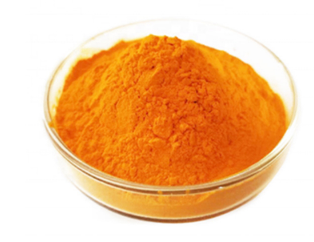

Xanthophyll #CAS127-40-2
Xanthophyll is a type of carotenoid, which belongs to photosynthetic pigments and naturally widely presents in vegetables (such as spinach, kale, broccoli, etc.), flowers, fruits and other plants. It can absorb and transfer light energy to Chlorophyll a at a particular state to convert light energy. It plays a role in protecting chlorophyll.
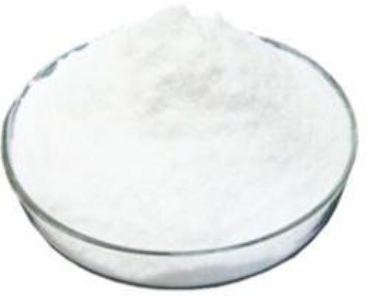
Pure Xanthophyll is a rhombus yellow crystal with metallic luster, and it is unstable when exposed to light and hydrogen, insoluble in water and easily soluble in grease and fatty solvents. It shall be stored in a cool dry place, away from light and air.
Xanthophyll is the most important nutritive component in human retina. There is a high concentration of Xanthophyll in macula (central vision) and lens of the eye retina. The human body cannot synthesize Xanthophyll itself, and it must be taken up from food. After breaking through all difficulties, Xanthophyll goes into the lens and macular to perform antioxidant effects, and neutralize harmful free radicals, and filter out the blue light (which is harmful to the eye), and avoid oxidation damage to eyes caused by sunlight.
Natural Xanthophyll is an excellent antioxidant, which can prevent cell senescence and body organs aging when added to food with an appropriate amount. It can also prevent eyesight degeneration and blindness that caused by age-related retina macular degeneration, and can also be used as feed additives for staining of poultry meat and eggs, as well as a colorant and dietary supplements in food industry.
Carotenoids are the generic terms of an important kind of natural pigments, belonging to compounds. The yellow, orange or red pigments that commonly found in animals, higher plants, fungi, algae and bacteria are mainly β-carotene and a-carotene, hence the name. Since carotene was isolated in the early 19th century, there are more than 600 known carotenoids in nature, of which only about 20 kinds present in the human blood and tissues. Carotenoids that found in human body include d-carotene, P-carotene, cryptoxanthin, xanthophyll, lycopene and zeaxanthin, and they are insoluble in water and soluble in fats and fatty solvents.Xanthophyll is rich in some green vegetables and fruits such as cabbage, spinach, lettuce, green beans and rapes, but chlorophyll, β-carotene and other epoxy carotenoids and oxygen substituted derivatives of carotenoids are also rich in such plants, making is not easy to extract the pure xanthophyll. After long-term searching, people found very high levels of Xanthophyll and zeaxanthin and less impurities of other carotenoids in flowers of marigold, which makes separation and purification easy, thus marigold can be a good source for industrial production of Xanthophyll. In addition, this product and zeaxanthin are also rich in some yellow-orange fruits such as mango, papaya, peaches, and pumpkins.
The above information is edited by the Chemicalbook of Cheng Jingmin.
Application of Xanthophyll
Xanthophyll plays an important role in protecting the macula of the retina. The absence of Xanthophyll can easily cause macular degeneration and blurred vision, and with the further symptoms of vision degeneration, myopia and so on. Xanthophyll is a precursor of NA, and it can be transformed into VA in the human body. The main physiological function for eyes of Xanthophyll is as antioxidants and light protectors. Optic nerves are non-renewable and highly vulnerable to harmful free radicals, and the antioxidant effects of Xanthophyll can inhibit the formation of harmful free radicals. Xanthophyll can absorb a large number of blue visible lights, which have the close wavelengths to ultraviolet lights and are a kind of harmful lights that can reach the retina and with the largest potential hazardous. Before reaching the sensitive cells of the retina, the light goes through the most heavily gathering area of Xanthophyll. If Xanthophyll is rich now, the damage can be lower to the minimum.
| Xanthophyll Chemical Properties |
| Melting point | 195 °C |
| alpha | 18Cd +165° (c = 0.7 in benzene) |
| Boiling point | 572.66°C (rough estimate) |
| density | 0.9944 (rough estimate) |
| refractive index | n20/D1.361-1.363 |
| Fp | 269.1±27.5 °C |
| storage temp. | -20°C |
| solubility | Chloroform (Slightly), Dichloromethane (Slightly), Methanol (Slightly, Heated, Sonicated) |
| pka | 14.61±0.70(Predicted) |
| form | Solid |
| color | Red to Very Dark Red |
| biological source | rabbit |
| Optical Rotation | 〔α〕656.3 +16220 (c 0.2, CHCl3) |
| λmax | λ: 441-451 nm Amax |
| Merck | 13,10120 |
| BRN | 2068547 |
| Stability: | Light Sensitive, Temperature Sensitive |
| Cosmetics Ingredients Functions | SKIN CONDITIONING |
| InChIKey | KBPHJBAIARWVSC-RGZFRNHPSA-N |
| SMILES | CC(=C/C=C/C=C(C)/C=C/C=C(C)/C=C/C1=C(C)C[C@@H](O)CC1(C)C)\C=C\C=C(C)\C=C\[C@H]2C(C)=C[C@H](O)CC2(C)C |
| LogP | 11.524 (est) |
| CAS DataBase Reference | 127-40-2(CAS DataBase Reference) |
| EPA Substance Registry System | .beta.,.epsilon.-Carotene-3,3'-diol, (3R,3'R,6'R)- (127-40-2) |
| Safety Information |
| Hazard Codes | Xi |
| Risk Statements | 36/37/38-11 |
| Safety Statements | 26-37/39-16-7-24/25 |
| WGK Germany | 3 |
| F | 1-8-10-16 |
| TSCA | TSCA listed |
| HS Code | 29061990 |
| Storage Class | 11 - Combustible Solids |
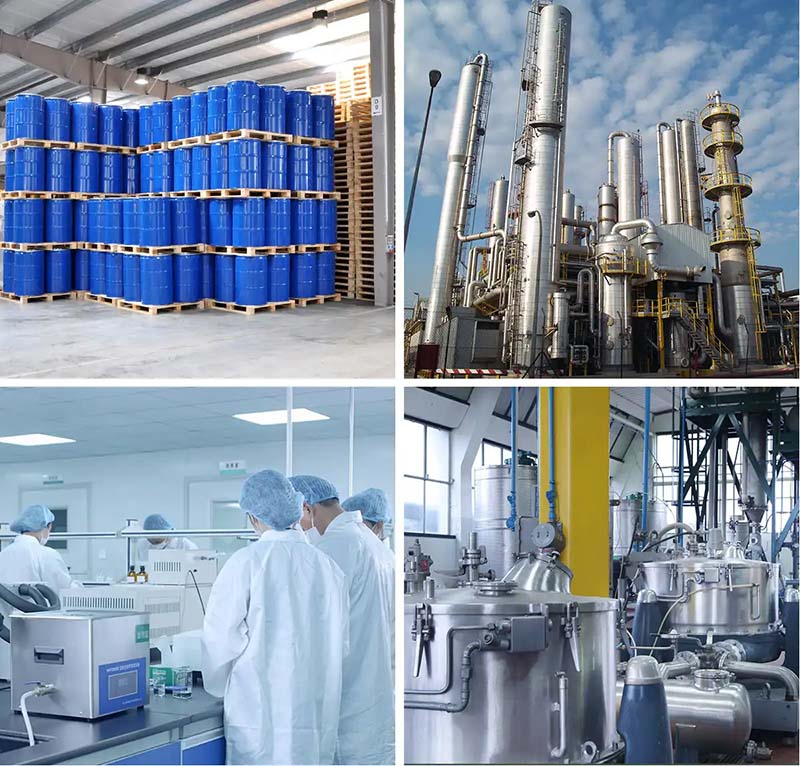
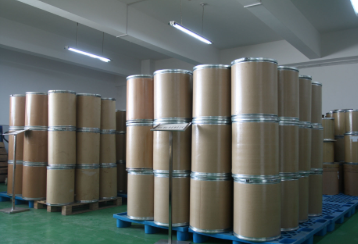
Fact Factory and Equipment Show