Calcium carbide #CAS75-20-7
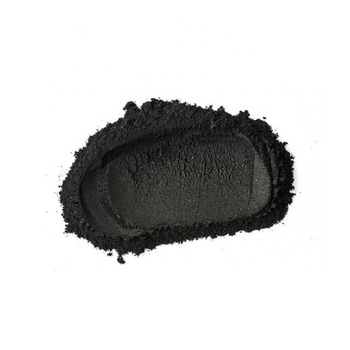
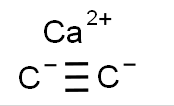
Calcium carbide (molecule formula: CaC2), is a kind of important chemical raw materials produced from the chemical processing of limestone. In 1892, H. Maysan (French) and H. Wilson (United state) simultaneously developed a calcium carbide production approach based on furnace Reduction. The United State had successfully achieved industrial production in 1895. The property of calcium carbide is related to its purity. Its industrial product is mostly the mixture of calcium carbide and calcium oxide, and also contains trace amounts of sulfur, phosphorus, nitrogen and other impurities. With the increasing content of impurities, it color exhibits gray, brown to black. The melting point and electrical conductivity both decrease with the decrease of the purity. The purity of its industrial product is usually 80% with m.p. being 1800~2000 °C. At room temperature, it does not react with air, but it can have oxidation reaction at above 350 ℃, and have reaction with nitrogen at 600~700 ℃ to generate calcium cyanamide. Calcium carbide, when coming across with water or steam, generates acetylene and release a large amount of heating. CaC2 + 2H2O─ → C2H2 + Ca (OH) 2 + 125185.32J, 1kg of pure calcium carbide can produce 366 L of acetylene 366l (15 ℃, 0.1MPa). Thereby, for its storage: calcium carbide should be strictly kept away from water. It is usually packed in a sealed iron container, and sometimes stored in a dry warehouse being filled with nitrogen if necessary.
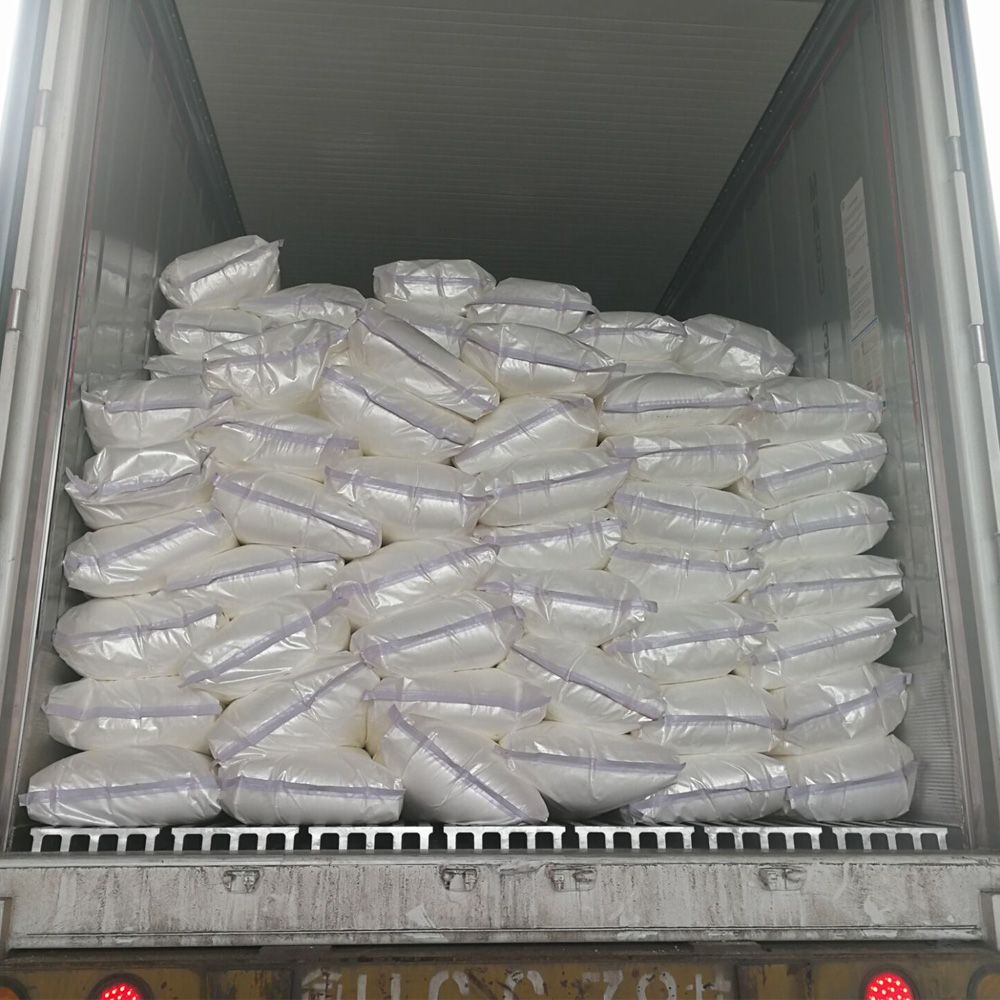
Calcium carbide is shipped to acetylene-generating plants where it is reacted with water in a controlled reaction. After the reaction process, the acetylene gas is placed into specially designed containers with a honeycombed mesh inside for shipment and use. It is dissolved in acetone for stability. Calcium carbide has a specific gravity of 2.22, which is heavier than water. The four-digit UN identification number for calcium carbide is 1402. The NFPA 704 designation is health 3, flammability 3, and reactivity 2. The white section at the bottom of the diamond contains a W with a slash through it, indicating water reactivity. It is shipped in metal cans, drums, and specially designed covered bins on railcars and trucks. When shipped and stored, it should be kept in a cool, dry place. Primary uses are in the generation of acetylene gas for welding, vinyl acetate monomer, and as a reducing agent.
Calcium carbide is a reducing agent. May react vigorously with oxidizing materials. The powdered mixture of the acetylide and iron oxide and iron chloride burns violently upon ignition, producing molten iron. Calcium carbide incandesces with chlorine, bromine, or iodine at 245, 350, or 305°C., respectively, [Mellor, 1946, Vol. 5, 862]. The carbide burns incandescently when mixed and heated with lead difluoride, magnesium, hydrogen chloride, and tin (II) chloride, [Mellor, 1946, 1940, 1946, and 1941], respectively. Interaction of Calcium carbide with methanol to give calcium methoxide is vigorous , but subject to an induction period of variable length. Once reaction starts, evolution of acetylene gas is very rapid, unpublished observations [Bretherick 1995]. Mixing Calcium carbide with silver nitrate solutions forms silver acetylide, a highly sensitive explosive. Copper salt solutions would behave similarly, [Photogr. Sci. Eng., 1966, 10, 334]. The mixture of Calcium carbide and sodium peroxide is explosive, as is Calcium carbide and perchloryl fluoride as gases at 100-300°C
Application of 2 Calcium carbide:
Calcium carbide is the most relevant carbide industrially because of its important role as the basis of acetylene industry. In locations where there is shortage of petroleum, Calcium Carbide is used as the starting material for the production of acetylene (1 kg of carbide yields ~300 liters acetylene), which, in turn, can be used as a building block for a range of organic chemicals (e.g. vinyl acetate, acetaldehyde and acetic acid). In some locations, acetylene is also used to produce vinyl chloride, the raw material for the production of PVC.
Calcium carbide is used as a desulfurizer, dehydrant of steel, fuel in steel making, powerful deoxidizer and as a source of acetylene gas. It is used as a starting material for the preparation of calcium cyanamide, ethylene, chloroprene rubber, acetic acid, dicyandiamide and cyanide acetate. It is used in carbide lamps, toy cannons such as the big-bang cannon and bamboo cannon. It is associated with calcium phosphide and used in floating, self-igniting naval signal flares. Further, it is involved in the reduction of copper sulfide to metallic copper
| Calcium carbide Chemical Properties |
| Melting point | 447°C |
| Boiling point | 2300°C |
| density | 2.22 g/mL at 25 °C(lit.) |
| storage temp. | water-free area |
| solubility | reacts with H2O |
| form | pieces |
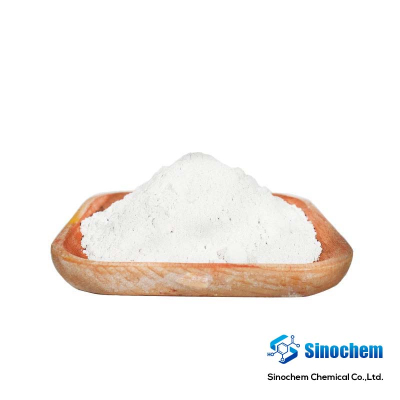
| color | Gray-black |
| Specific Gravity | 2.22 |
| Water Solubility | hydrolyses |
| Sensitive | Moisture Sensitive |
| Merck | 14,1656 |
| BRN | 3909011 |
| Dielectric constant | 5.8 - 7.0(0.0℃) |
| Exposure limits | ACGIH: TWA 2 mg/m3 OSHA: TWA 5 mg/m3 NIOSH: IDLH 25 mg/m3; TWA 2 mg/m3 |
| Stability: | Stability Reacts violently with water liberating highly flammable gas (acetylene). Do not use water if this material is involved in a fire. Incompatible with moisture, water, strong oxidizing agents, alcohols, hydrogen chloride, magnesium. |
| InChI | 1S/C2.Ca/c1-2;/q-2;+2 |
| InChIKey | UIXRSLJINYRGFQ-UHFFFAOYSA-N |
| SMILES | [Ca++].[C-]#[C-] |
| EPA Substance Registry System | Calcium carbide (75-20-7) |
| Safety Information |
| Hazard Codes | F |
| Risk Statements | 15-41-37/38 |
| Safety Statements | 8-43-43A-39-26 |
| RIDADR | UN 1402 4.3/PG I/II (CALCIUM CARBIDE) |
| WGK Germany | 1 |
| F | 10-21 |
| TSCA | TSCA listed |
| HazardClass | 4.3 |
| PackingGroup | II |
| HS Code | 28491000 |
| Storage Class | 4.3 - Hazardous materials which set free flammable gases upon contact with water |
| Hazard Classifications | Eye Dam. 1 Skin Irrit. 2 STOT SE 3 Water-react 1 |
| Hazardous Substances Data | 75-20-7(Hazardous Substances Data) |
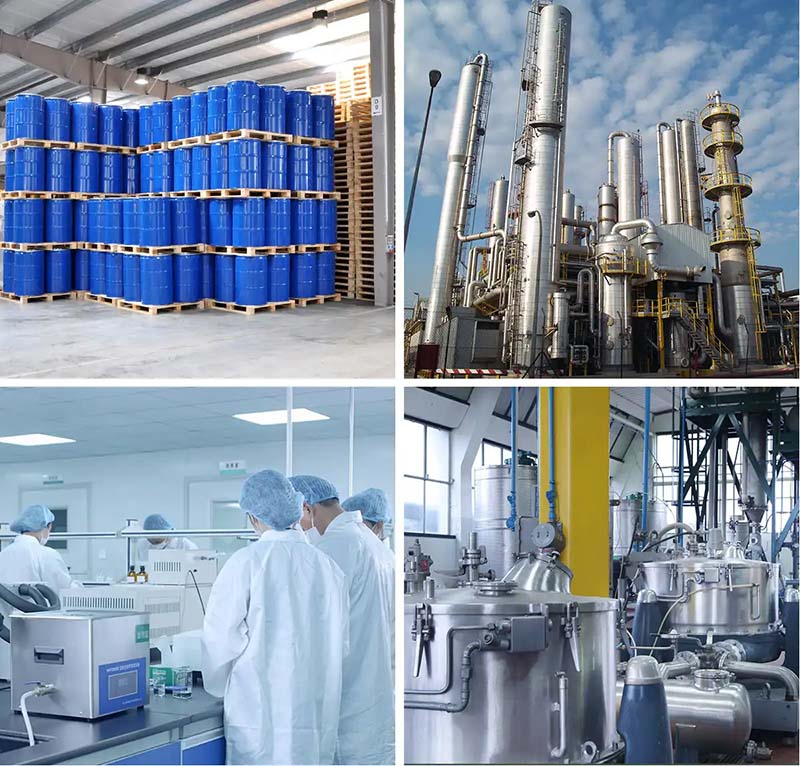
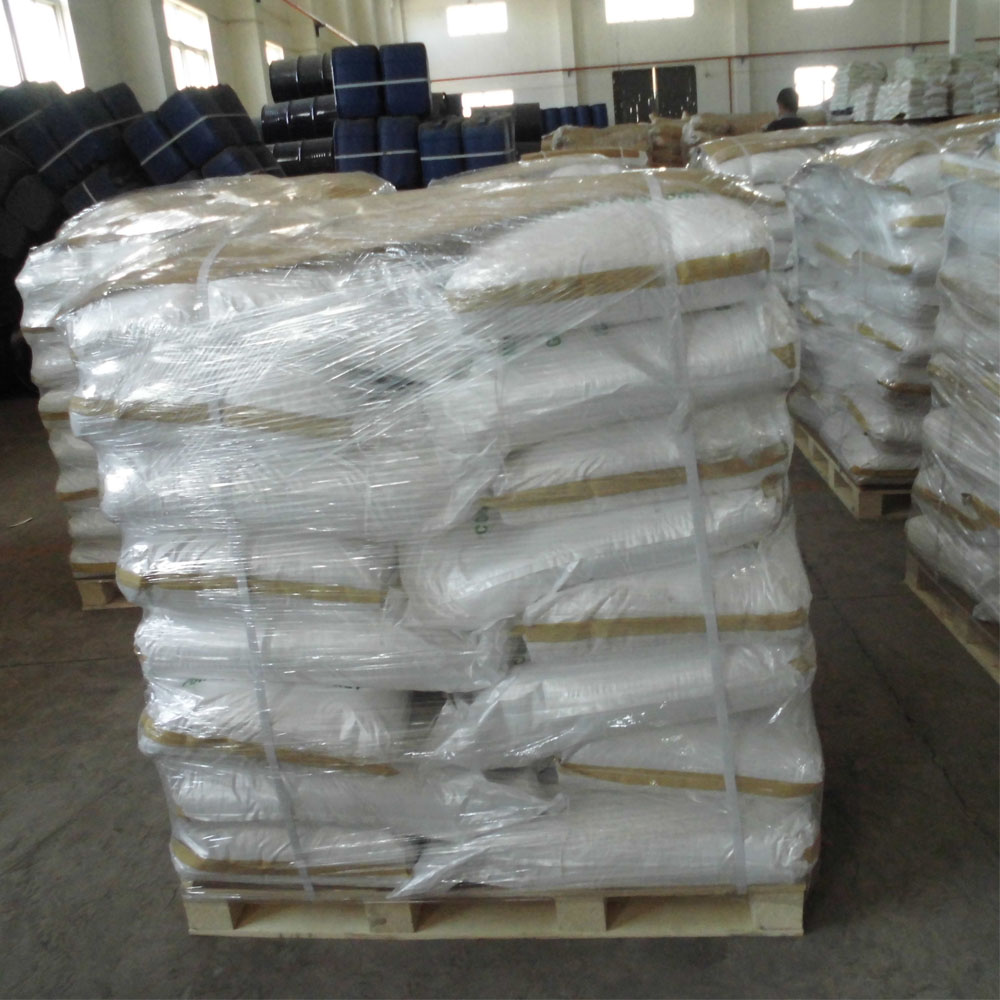
Fact Factory and Equipment Show