Poly(vinyl alcohol) #CAS9002-89-5
CAS Number:9002-89-5
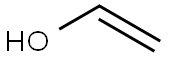
Chemical Formula:C2H4O
Synonyms:
Polyvinyl alcohol, 98-99% hydrolyzed, high molecular weight
Poly(vinyl Alcohol) n=1750+/-50
Poly(vinyl Alcohol) n(=:)2,000 (degree's of saponification ca. 80mol%)
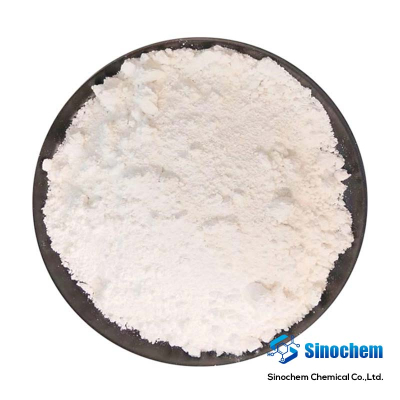
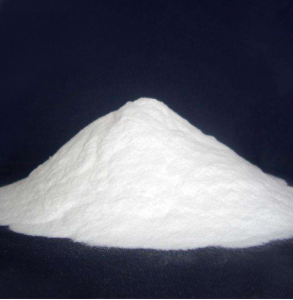
Appearance:White to Cream Powder
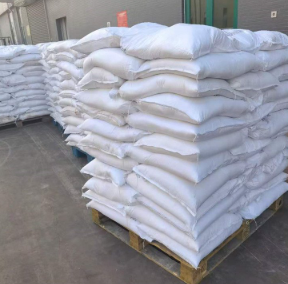
MOQ (Minimum Order Quantity): 1 FCL (Full Container Load)
Poly(vinyl alcohol) #CAS9002-89-5
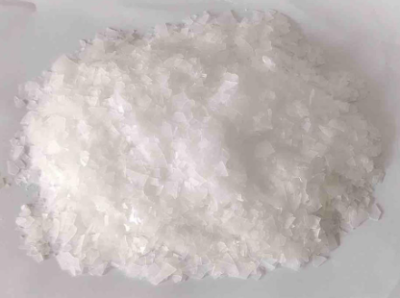
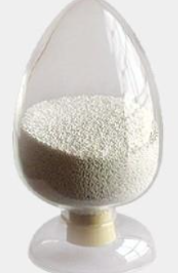
Polyvinyl alcohol (PVA) is a solid that can exist as a white powder, flakes, or flocculent material. Its glass transition temperature is 60–85°C. PVA contains many alcohol groups, making it polar, and it can form hydrogen bonds with water, thus it is soluble in polar water. PVA is also soluble in hot hydroxyl-containing solvents such as glycerol and phenol, but insoluble in common organic solvents such as methanol, benzene, acetone, and gasoline.
Application of Poly(vinyl alcohol)
It is mainly used in the textile industry, as the raw materials of warp pulp, fabric finishing agent, vinylon fiber; interior and exterior wall paint of the building, adhesives; chemical industry use it as a polymerization emulsifier, dispersant and polyvinyl formal, acetal, butyrate aldehyde resin; paper industry use it as a paper binder; agriculture use it as soil improvers, pesticide adhesion synergist and polyvinyl alcohol film; it can also be used for daily cosmetics and high-frequency quenching agent and so on.
In the plastics industry in molding Compounds, surface coatings, films resistant to gasoline, textile sizes and finishing compositions; can be compounded to yield elastomers to be used in manufacture of artificial sponges, fuel hoses, etc., also in printing inks for plastics and glass, in pharmaceutical finishing, cosmetics, water-sol film and sheeting. Pharmaceutic aid (viscosity increasing agent); ophthalmic lubricant.
NaA zeolite particles have been dispersed in a poly(vinyl alcohol) matrix to prepare a mixed-matrix membrane to study the pervaporative separation of water-butanol mixtures. Poly (vinyl alcohol)/gelatin based biocompatible polymeric scaffolds have been used to design for 3D cancer models.
| Poly(vinyl alcohol) Chemical Properties |
| Melting point | >300 °C |
| Boiling point | -14.5°C (rough estimate) |
| bulk density | 400-670kg/m3 |
| density | 1.080 g/cm3 |
| Tg | 73 |
| Tg | 99 |
| Tg | 99°C |
| refractive index | 1.3810 (estimate) |
| Fp | 79°C |
| storage temp. | Store below +30°C. |
| solubility | H2O: soluble (hot) |
| form | Powder |
| color | White to cream |
| PH | 3.5-7.0 (40g/l, H2O, 20℃) |
| Odor | at 100.00%. odorless |
| Water Solubility | soluble in hot water |
| Merck | 14,7585 |
| Dielectric constant | 1.9(Ambient) |
| Stability: | Stable. Combustible. Dust may form explosive mixtures with air. Incompatible with strong oxidizing agents. |
| Cosmetics Ingredients Functions | FILM FORMING VISCOSITY CONTROLLING |
| InChI | 1S/C2H4O/c1-2-3/h2-3H,1H2 |
| InChIKey | IMROMDMJAWUWLK-UHFFFAOYSA-N |
| IARC | 3 (Vol. 19, Sup 7) 1987 |
| NIST Chemistry Reference | Polyvinyl alcohol(9002-89-5) |
| EPA Substance Registry System | Polyvinyl alcohol (9002-89-5) |
| Safety Information |
| Hazard Codes | Xn |
| Risk Statements | 23/24/25-36/38-39/23/24/25-68/20/21/22-20/21/22 |
| Safety Statements | 26-36/37-45-24/25 |
| WGK Germany | 1 |
| RTECS | TR8100000 |
| Autoignition Temperature | 450 °C |
| TSCA | TSCA listed |
| HS Code | 39053000 |
| Storage Class | 11 - Combustible Solids |
| Hazardous Substances Data | 9002-89-5(Hazardous Substances Data) |
| Toxicity | LD50 orally in Rabbit: > 20000 mg/kg |
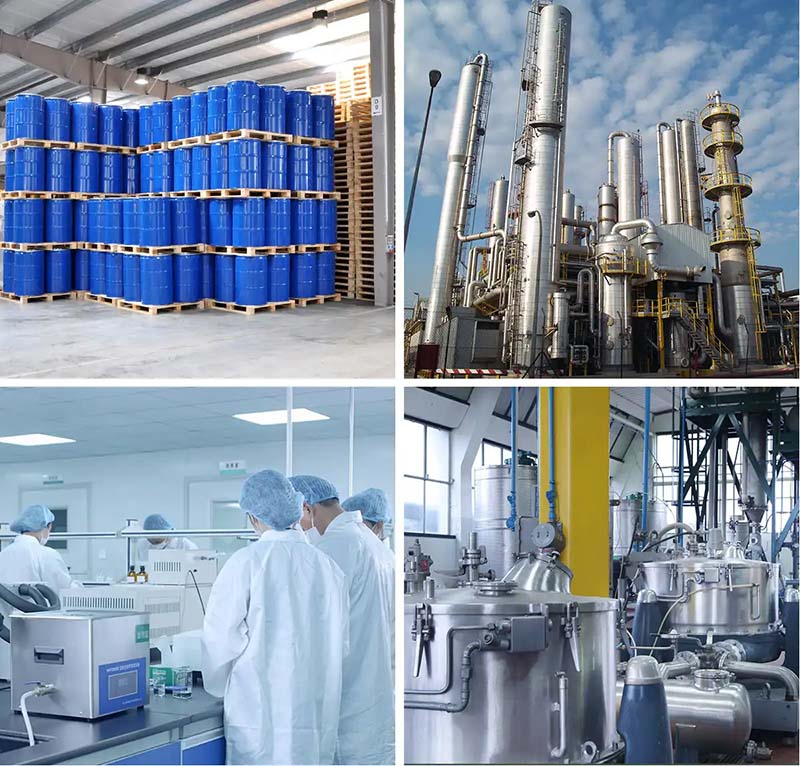
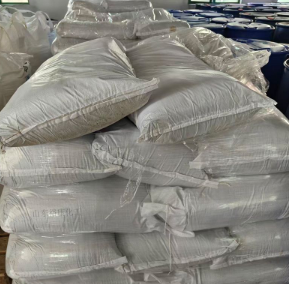
Fact Factory and Equipment Show