Tea polyphenol #CAS84650-60-2
Tea polyphenol #CAS84650-60-2
The phenolic compounds in tea (tea polyphenols) are also known as catechins. In green tea, the four major catechins are (-)-epigallocatechin-3-gallate (EGCG) and its derivatives including (-)-epigallocatechin (EGC), (-)-epicatechin gallate (ECG), and (-)-epicatechin (EC). EGCG takes around 50-80% of the total catechin in green tea and it has been shown to be responsible for much of the health promoting ability of green tea.
Tea polyphenols exhibit anti-carcinogenic, anti-oxidative, anti-allergic, antiviral, anti-hypertensive, anti-atherosclerosis, anti-cardiovascular disease and anti-hypercholesterolemic activities. EGCG has shown to inhibit hepatitis C virus entry and carcinogenesis. Studies suggest that tea polyphenols may help treat health conditions including atherosclerosis, high cholesterol, and cancers including bladder cancer, breast cancer, ovarian cancer, colorectal cancer, esophageal cancer, lung cancer, pancreatic cancer, prostate cancer, skin cancer, and stomach cancer. Tea polyphenols could be helpful in treating inflammatory diseases.
Tea polyphenol extracts contain polyphenolic compounds which act on a number of biochemical pathways, therefore yielding anti-oxidant, anti-inflammatory, and anti-carcinogenic effects. Epigallocatechin-3- gallate is the primary active ingredient in the green tea. A study demonstrated that green tea extracts suppress mushroom tyrosinase, which may be responsible for the skin-lightening effect.Still, more studies are indicated to substantiate this data.
Application of Tea polyphenol
Tea polyphenol extract (Camellia sinensis L.) is a powerful anti-oxidant because of its catechin content, it is also known to be an antibacterial, anti-inflammatory, and a stimulant. In clinical studies, green tea demonstrates an ability to prevent or at least postpone the onset of such illnesses as cancer and heart disease. This is attributed to the catechin component’s ability to penetrate into a cell, thereby protecting the cell from free radicals and associated damage. Because of its anti-oxidant properties, green tea is usually incorporated into anti-aging formulations. When applied topically, it can also reduce skin swelling. In addition, it can be found in sunscreens, given its ability to extend the product’s SPF. The extract and its associated catechins can be obtained from both the plant and its dried leaves. other constituents of green tea include caffeine and phenolic acids.
Tea polyphenol, also called green tea extract, are a mixture of chemical compounds, such as flavanoids and tannins, found naturally in tea. These chemical compounds are believed to be beneficial to human health. Polyphenols are powerful antioxidants, which can reduce the risk of developing coronary artery disease and a number of other health problems.
| Tea polyphenol Chemical Properties |
| storage temp. | -20°C |
| solubility | DMSO (Slightly), Methanol (Slightly) |
| form | Solid |
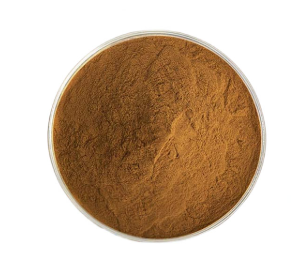
| color | Light Orange |
| Odor | at 100.00 %. tea |
| Odor Type | herbal |
| Major Application | pharmaceutical (small molecule) |
| Cosmetics Ingredients Functions | PERFUMING BLEACHING ORAL CARE TONIC UV ABSORBER ASTRINGENT ANTIMICROBIAL FRAGRANCE EXFOLIATING ANTI-SEBUM SKIN CONDITIONING - EMOLLIENT SKIN PROTECTING HUMECTANT ANTIOXIDANT SKIN CONDITIONING |
| Cosmetic Ingredient Review (CIR) | Tea polyphenol (84650-60-2) |
| Safety Information |
| WGK Germany | 3 |
| HS Code | 2101200040 |
| Storage Class | 11 - Combustible Solids |
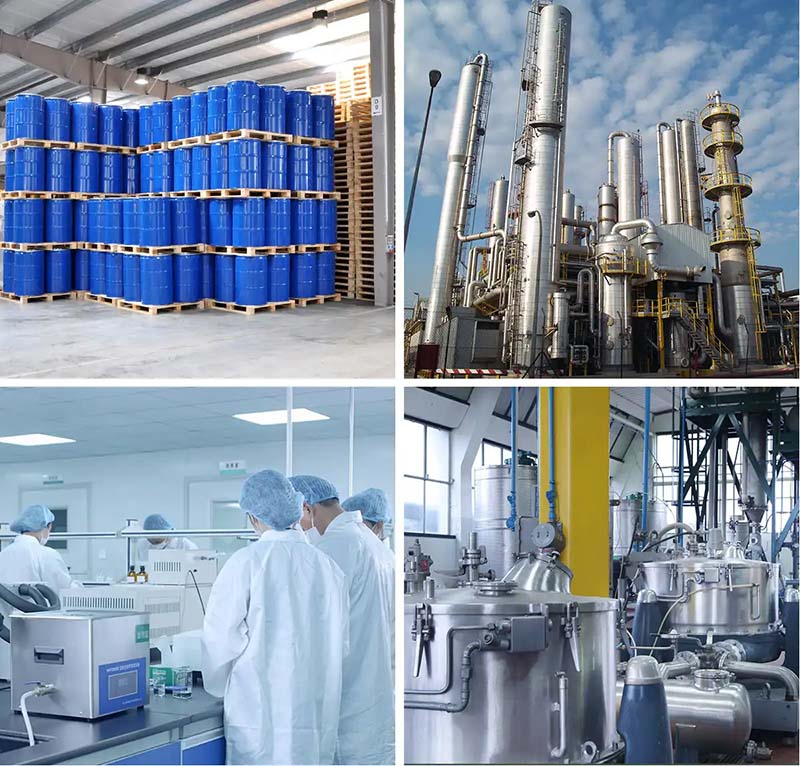
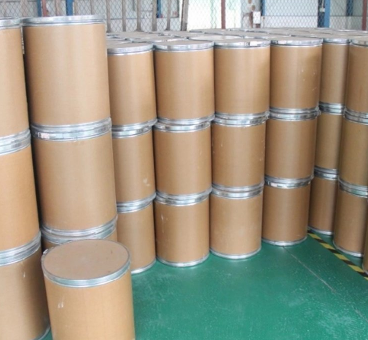
Fact Factory and Equipment Show