Resveratrol #CAS501-36-0
Resveratrol #CAS501-36-0
Resveratrol is a natural antioxidant that can reduce blood viscosity, inhibit platelet aggregation and vasodilation, keep blood flowing smoothly, prevent the occurrence and development of cancer, and has the effects of preventing and treating arteriosclerosis, coronary heart disease, ischemic heart disease, and hyperlipidemia. It also has an estrogen-like effect and can be used to treat diseases such as breast cancer. It can delay aging and prevent cancer. It is found in high concentrations in red grape skins, red wine, and grape juice. Studies have shown that the integrity of chromosomes is damaged as humans age, and resveratrol can activate sirtuin, a protein that repairs chromosome health, thereby delaying aging. Resveratrol is an anthraquinone terpene compound, mainly derived from the rhizome extract of Polygonum cuspidatum Sieb. et Zucc. [1]. Polygonum cuspidatum: a perennial shrub-like herb, up to 1 meter tall. The rhizome lies horizontally underground, woody and yellowish-brown, with obvious nodes. The stem is erect, cylindrical, hairless, with numerous red spots scattered on the surface, and hollow. Leaves are simple, alternate, broadly ovate to nearly orbicular, 7-12 cm long and 5-9 cm wide, with a short-pointed apex and a rounded or cuneate base; petioles are 1-1.5 cm long, with a membranous, brown, caducous sheath. Flowering occurs from July to September, and fruiting from September to October. Harvesting can be done in spring and autumn; the leaves are cut and dried. It grows mostly in valleys, along streams, or on riverbanks. It is distributed in central and southern China, found in Jiangsu, Zhejiang, Jiangxi, Fujian, Shandong, Henan, Shaanxi, and Sichuan provinces.
Application of Resveratrol
Resveratrol is a natural antioxidant. It reduces blood viscosity, inhibits platelet aggregation and vasodilation, keeps blood flowing smoothly, and prevents the occurrence and development of cancer. It has the effect of preventing and treating atherosclerosis, coronary heart disease, ischemic heart disease and hyperlipidemia. It has tumor-inhibiting effects. Resveratrol also has estrogen-like effects and can be used to treat breast cancer and other diseases. It slows down aging and prevents cancer. Red grape skins, red wine and grape juice contain high concentrations of resveratrol. Studies have shown that as humans age, the integrity of chromosomes is disrupted. However, resveratrol activates proteins that can repair chromosomes, thus slowing down aging.
Resveratrol is effective in preventing aging, in part due to its antioxidant properties, and is recommended for use in pre- or post-sun products. Resveratrol can cross the stratum corneum and be found in the dermis and epidermis. It has been shown to protect dermal collagen and may be effective in enhancing glycosaminoglycans, thereby improving tissue hydration. It has been shown to stimulate cell renewal in the skin and to help increase skin thickness. It has been shown to inhibit tyrosinase, which suggests it may be used to reduce hyperpigmentation.
Minor constituent of wine, correlated with serum lipid reduction and inhibition of platelet aggregation. Resveratrol is a specific inhibitor of COX-1, and it also inhibits the hydroperoxidase activity of COX-1. It has been shown to inhibit events associated with tumor initiation, promotion and progression.
| Resveratrol Chemical Properties |
| Melting point | 253-255°C |
| Boiling point | 449.1±14.0 °C(Predicted) |
| density | 1.359±0.06 g/cm3(Predicted) |
| storage temp. | -20°C |
| solubility | Soluble in DMSO (up to 25 mg/ml) or in Ethanol (up to 20 mg/ml). |
| pka | 9.22±0.10(Predicted) |
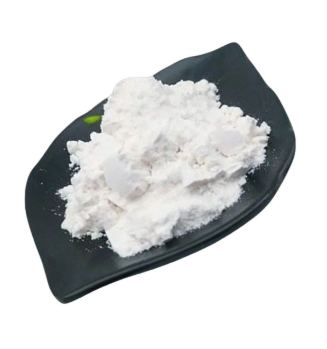
| form | Powder |
| color | Off-white |
| biological source | plant root (bushy knotweed) |
| Water Solubility | Soluble in water (3 mg/100mL), ethanol (50 mg/mL), DMSO (16 mg/mL), DMF (~65 mg/mL), PBS (pH 7.2) (~100µg/mL), methanol, and acetone (50 mg/mL). |
| Merck | 14,8158 |
| Henry's Law Constant | 7.0×10¹⁰ mol/(m3Pa) at 25℃, HSDB (2015) |
| Stability: | Stable for 2 years as supplied. Solutions in DMSO or ethanol may be stored at -20°C for up to 1 month. |
| Cosmetics Ingredients Functions | SKIN PROTECTING ANTIOXIDANT |
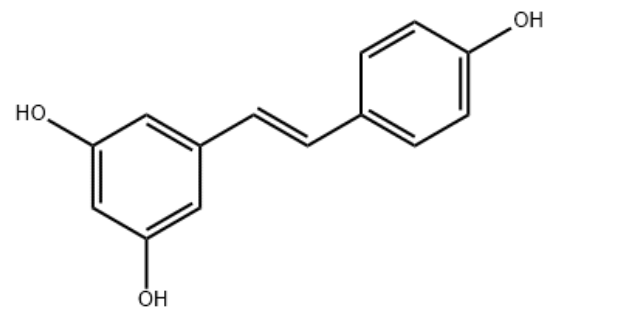
| InChI | InChI=1S/C14H12O3/c15-12-5-3-10(4-6-12)1-2-11-7-13(16)9-14(17)8-11/h1-9,15-17H/b2-1+ |
| InChIKey | LUKBXSAWLPMMSZ-OWOJBTEDSA-N |
| SMILES | C1(O)=CC(/C=C/C2=CC=C(O)C=C2)=CC(O)=C1 |
| LogP | 3.139 (est) |
| CAS DataBase Reference | 501-36-0(CAS DataBase Reference) |
| EPA Substance Registry System | 1,3-Benzenediol, 5-[(1E)-2-(4-hydroxyphenyl)ethenyl]- (501-36-0) |
| Safety Information |
| Hazard Codes | Xi |
| Risk Statements | 37/38-41-36/38-36-43-22 |
| Safety Statements | 26-39-37/39-36/37/39 |
| WGK Germany | 3 |
| RTECS | CZ8987000 |
| HS Code | 29072990 |
| Storage Class | 11 - Combustible Solids |
| Hazard Classifications | Eye Irrit. 2 |
| Hazardous Substances Data | 501-36-0(Hazardous Substances Data) |
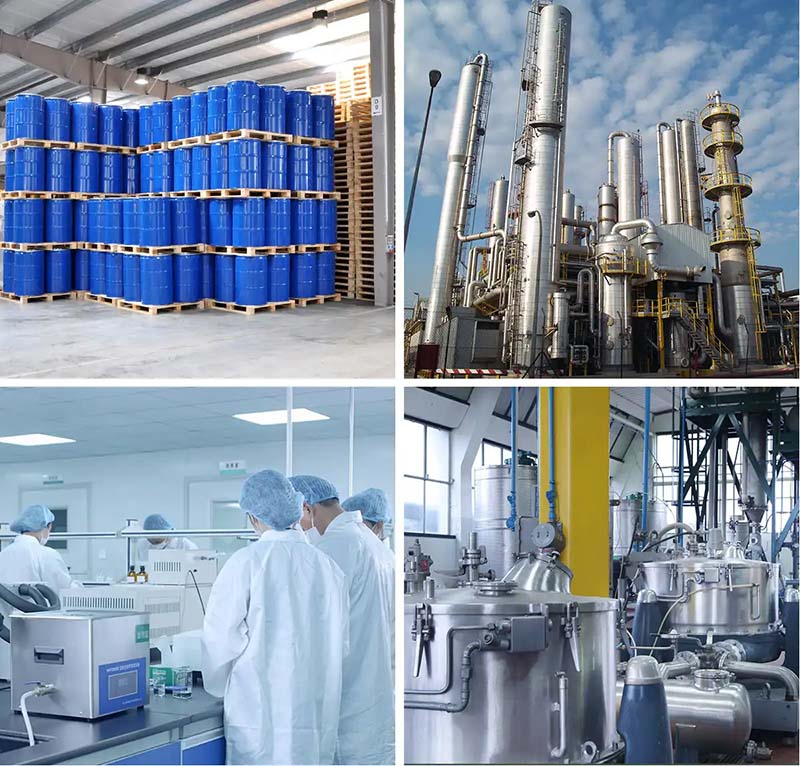
Fact Factory and Equipment Show