Butylated hydroxytoluene (BHT) #CAS128-37-0
Butylated hydroxytoluene (BHT) #CAS128-37-0
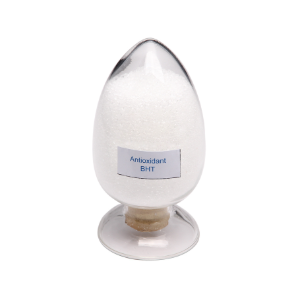
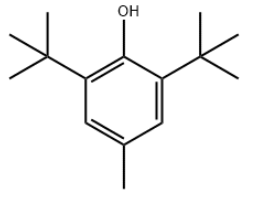
Butylated hydroxytoluene is a synthetic phenolic compound mainly used as an antioxidant and preservative in the food industry. It is used to prevent the lipid oxidation in oils and fat-containing foods.Butylated Hydroxytoluene toxicity is generally considered as being low.Since Butylated Hydroxytoluene is used in many near consumer products population wide exposure is expected.
Butylated hydroxytoluene (BHT) is a synthetic antioxidant. It scavenges peroxide, 2,2-diphenyl-1-picrylhydrazyl (DPPH; ), superoxide, and ABTS radicals in cell-free assays, as well as inhibits lipid peroxidation of linoleic acid in vitro when used at a concentration of 45 μg/ml. Butylated Hydroxytoluene (0.025-3.2 mM) reduces freeze-thaw-induced malondialdehyde (MDA) production and increases sperm viability in boar spermatozoa preparations. Formulations containing BHT have been used as antioxidant cosmetic and food additives.
Application of Butylated hydroxytoluene (BHT)
Butylated hydroxytoluene has wide application, such as flavors, fragrances, biochemical reagents-other chemical reagents, chemical raw materials, organic chemical raw materials, biochemical, inorganic salts, antioxidants, food additives, feed additives, feed storage additives, aromatic hydrocarbons, bulk drugs and so on. As a phenolic antioxidant, butylated hydroxytoluene can inhibit lipid peroxidation and exhibit electrophilic quinone methyl ether toxicity mediated by oxidative metabolism. The BHT metabolites, 6-tert-butyl-2- [2 ′-(2′-hydroxymethyl) -propyl] -4-methylphenol, may cause lung damage in mice and promote tumor growth.
Antioxidant 264 as general antioxidants is used widely in polymer materials, petroleum products and food processing industries. Antioxidant 264 is commonly used rubber antioxidant, heat, oxygen aging have some protective effect, but also can inhibit copper harm. This product does not change color, not pollution. Antioxidants 264 high solubility in oil, no precipitation, less volatile, non-toxic and non-corrosive.
Because they prevent rancidity, antioxidants are of great interest to the food industry. For example, butylated hydroxytoluene (BHT), butylated hydroxyanisole (BHA), and EDTA are frequently used to preserve various foods, such as cheese or fried products. Butylated hydroxytoluene is a powerful inhibitor of lipid peroxidation, yet large doses of it can induce oxidative DNA damage and cancer development in the rat forestomach.
| Butylated hydroxytoluene (BHT) Chemical Properties |
| Melting point | 69-73 °C(lit.) |
| Boiling point | 265 °C(lit.) |
| density | 1.048 |
| bulk density | 450kg/m3 |
| vapor density | 7.6 (vs air) |
| vapor pressure | <0.01 mm Hg ( 20 °C) |
| refractive index | 1.4859 |
| FEMA | 2184 | BUTYLATED HYDROXYTOLUENE |
| Fp | 127 °C |
| storage temp. | 2-8°C |
| solubility | methanol: 0.1 g/mL, clear, colorless |
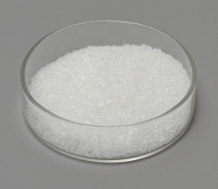
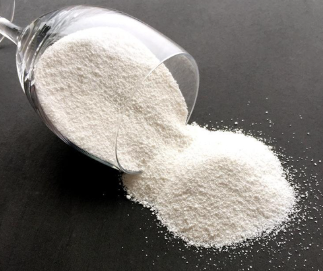
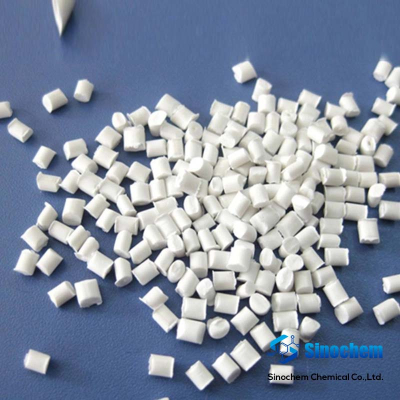
| form | Crystals |
| pka | pKa 14(H2O t = 25 c = 0.002 to 0.01) (Uncertain) |
| color | white |
| Odor | faint characteristic odor |
| biological source | synthetic |
| Odor Type | phenolic |
| Water Solubility | insoluble |
| Merck | 14,1548 |
| BRN | 1911640 |
| Henry's Law Constant | 2.9×10⁻³ mol/(m3Pa) at 25℃, Yoshida et al. (1983) |
| Exposure limits | ACGIH: TWA 2 mg/m3 NIOSH: TWA 10 mg/m3 |
| Stability: | Stable, but light-sensitive. Incompatible with acid chlorides, acid anhydrides, brass, copper, copper alloys, steel, bases, oxidizing agents. Combustible. |
| Major Application | flavors and fragrances |
| Cosmetics Ingredients Functions | ANTIOXIDANT FRAGRANCE |
| Cosmetic Ingredient Review (CIR) | Butylated Hydroxytoluene (128-37-0) |
| InChI | 1S/C15H24O/c1-10-8-11(14(2,3)4)13(16)12(9-10)15(5,6)7/h8-9,16H,1-7H3 |
| InChIKey | NLZUEZXRPGMBCV-UHFFFAOYSA-N |
| SMILES | Cc1cc(c(O)c(c1)C(C)(C)C)C(C)(C)C |
| LogP | 5.2 |
| CAS DataBase Reference | 128-37-0(CAS DataBase Reference) |
| NIST Chemistry Reference | Butylated hydroxytoluene(128-37-0) |
| IARC | 3 (Vol. 40, Sup 7) 1987 |
| EPA Substance Registry System | 2,6-Di-tert-butyl-p-cresol (128-37-0) |
| Safety Information |
| Hazard Codes | Xn,N |
| Risk Statements | 22-36/37/38-36/38-50/53 |
| Safety Statements | 26-36-37/39-61-60 |
| RIDADR | 3077 |
| OEB | B |
| OEL | TWA: 10 mg/m3 |
| WGK Germany | 1 |
| RTECS | GO7875000 |
| F | 8-10-23 |
| Autoignition Temperature | 878 °F |
| TSCA | TSCA listed |
| HazardClass | 9 |
| PackingGroup | III |
| HS Code | 29071900 |
| Storage Class | 11 - Combustible Solids |
| Hazard Classifications | Aquatic Acute 1 Aquatic Chronic 1 |
| Hazardous Substances Data | 128-37-0(Hazardous Substances Data) |
| Toxicity | LD50 orally in mice: 1040 mg/kg (McOmie) |
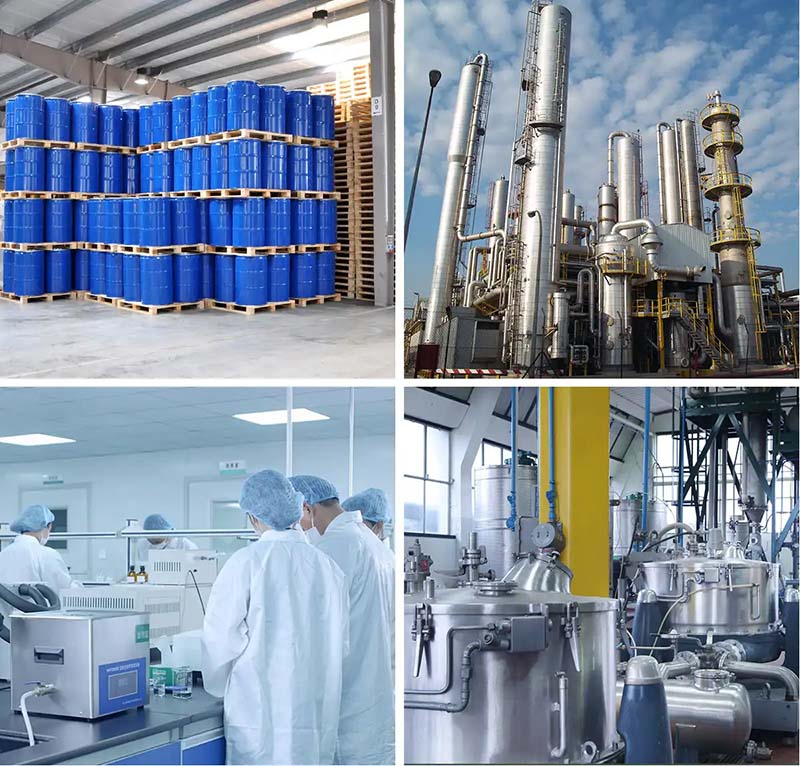
Fact Factory and Equipment Show