Aniline #CAS62-53-3
Aniline #CAS62-53-3
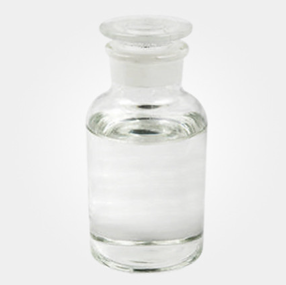
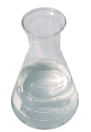
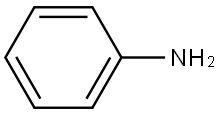
Aniline is the simplest primary aromatic amine and a compound formed by the substitution of a hydrogen atom in the benzene molecule with an amino group. It is colorless oil like flammable liquid with strong odor. When heated to 370 C, it is slightly soluble in water and soluble in ethanol, ether, chloroform and other organic solvents. It becomes brown in the air or under the sun. It can be distilled by steam. A small amount of zinc powder is added to prevent oxidation when it is distilled. The purified aniline can be added 10 ~ 15ppm NaBH4 to prevent oxidation deterioration. The solution of aniline is alkaline.
It is easy to produce salt when it reacts with acid. The hydrogen atoms on its amino groups can be substituted by alkyl or acyl groups to produce second or third grade aniline and acyl aniline. When substitution reaction occurs, the products of ortho and para substituted products are mainly produced. It reacts with nitrite to form diazonium salts, which can be used to produce a series of benzene derivatives and azo compounds.
A primary aromatic amine, aniline is a weak base and forms salts with mineral acids such as aniline hydrochloride. PKb = 9.30, 0.2mol aqueous solution PH value 8.1. In acidic solution, nitrous acid converts aniline into a diazonium salt that is an intermediate in the preparation of a great number of dyes and other organic compounds of commercial interest. When aniline is heated with organic acids, it gives amides, called anilides, such as acetanilide from aniline and acetic acid. Monomethylaniline and dimethylaniline can be prepared from aniline and methyl alcohol. Catalytic reduction of aniline yields cyclohexylamine.
Various oxidizing agents convert aniline to quinone, azobenzene, nitrosobenzene, p-aminophenol, and the phenazine dye aniline black. Amino groups can undergo acylation, halogenation, alkylation and diazotization, and the presence of amino groups makes it nucleophiles capable of many nucleophilic reactions, and at the same time activates the electrophilic substitution on aromatic rings.
Application Of Aniline
Aniline is an important industrial chemical for many decades. Currently, it is most widely used for the manufacture of polyurethanes and rubber, with lesser amounts consumed in the production of pesticides (herbicides, fungicides, insecticides, animal repellants), defoliants, dyes, antioxidants, antidegradants, and vulcanization accelerators. It is also an ingredient of some household products, such as polishes (stove and shoe), paints, varnishes, and marking inks.
Aniline is used in the manufacture of dyes,pharmaceuticals, varnishes, resins, photo graphic chemicals, perfumes, shoe blacks,herbicides, and fungicides. It is also usedin vulcanizing rubber and as a solvent. Itoccurs in coal tar and is produced from thedry distillation of indigo. It is also producedfrom the biodegradation of many pesticides.Aniline is a metabolite of many toxic com pounds, such as nitrobenzene, phenacetin,and phenylhydroxylamine.
Rubber accelerators and antioxidants, dyes and intermediates, photographic chemicals (hydro- quinone), isocyanates for urethane foams, pharma- ceuticals, explosives, petroleum refining, dipheny- lamine, phenolics, herbicides, fungicides.
A thin, colorless oil prepared by reducing benzene with iron filings in the presence of hydrochloric or acetic acid and then separating the aniline formed by distillation. It is slightly soluble in water but dissolves easily in alcohol, ether, and benzene. Aniline is the base for many dyes used to increase the sensitivity of emulsions.
| Aniline Chemical Properties |
| Melting point | -6 °C (lit.) |
| Boiling point | 184 °C (lit.) |
| density | 1.022 g/mL at 25 °C (lit.) |
| vapor density | 3.22 (185 °C, vs air) |
| vapor pressure | 0.7 mm Hg ( 25 °C) |
| refractive index | n |
| Fp | 76 °C |
| storage temp. | 2-8°C |
| solubility | water: soluble |
| form | Liquid |
| pka | 4.63(at 25℃) |
| color | APHA: ≤250 |
| Specific Gravity | 1.021 |
| Odor | Sweet, amine-like odor detectable at 0.6 to 10 ppm |
| PH Range | 8.1 |
| Relative polarity | 0.42 |
| PH | 8.8 (36g/l, H2O, 20℃) |
| explosive limit | 1.2-11%(V) |
| Water Solubility | 36 g/L (20 ºC) |
| Thermal Conductivity | 0.173 W/(m·K) at 25 ℃ |
| Specific Heat Capacity | Cp(liquid): 2.06 J/(g·K); Cp(gas): 1.16 J/(g·K), at 25℃ |
| Merck | 14,659 |
| BRN | 605631 |
| Henry's Law Constant | 1.91 at 25 °C (thermodynamic method-GC/UV spectrophotometry, Altschuh et al., 1999) |
| Dielectric constant | 7.8(0℃) |
| Exposure limits | ACGIH TLV-TWA:2 ppm (7.6 mg/m3) OSHA PEL-TWA:5 ppm (19 mg/m³) NIOSH REL-TWA:5 ppm (~19 mg/m3);IDLH:100 ppm |
| Stability: | Stable. Incompatible with oxidizing agents, bases, acids, iron and iron salts, zinc, aluminium. Light sensitive. Combustible. |
| Major Application | environmental |
| InChI | 1S/C6H7N/c7-6-4-2-1-3-5-6/h1-5H,7H2 |
| InChIKey | PAYRUJLWNCNPSJ-UHFFFAOYSA-N |
| SMILES | Nc1ccccc1 |
| LogP | 0.900 |
| Surface tension | 47.9mN/m at 298.15K |
| CAS DataBase Reference | 62-53-3(CAS DataBase Reference) |
| NIST Chemistry Reference | Aniline(62-53-3) |
| IARC | 2A (Vol. 27, Sup 7, 127) |
| EPA Substance Registry System | Aniline (62-53-3) |
| Safety Information |
| Hazard Codes | T,N,F |
| Risk Statements | 23/24/25-40-41-43-48/23/24/25-50-68-48/20/21/22-39/23/24/25-11 |
| Safety Statements | 26-27-36/37/39-45-46-61-63-36/37-16 |
| OEL | TWA: None ppm |
| RIDADR | UN 1547 |
| WGK Germany | 2 |
| RTECS | BW6650000 |
| F | 8-9 |
| Autoignition Temperature | 615 °C |
| TSCA | TSCA listed |
| HS Code | 2921 41 00 |
| HazardClass | 6.1 |
| PackingGroup | II |
| Storage Class | 6.1A - Combustible acute toxic Cat. 1 and 2 very toxic hazardous materials |
| Hazard Classifications | Acute Tox. 3 Dermal Acute Tox. 3 Inhalation Acute Tox. 3 Oral Aquatic Acute 1 Aquatic Chronic 1 Carc. 2 Eye Dam. 1 Muta. 2 Skin Sens. 1 STOT RE 1 |
| Hazardous Substances Data | 62-53-3(Hazardous Substances Data) |
| Toxicity | LD50 orally in rats: 0.44 g/kg (Jacobson) |
| IDLH | 100 ppm |
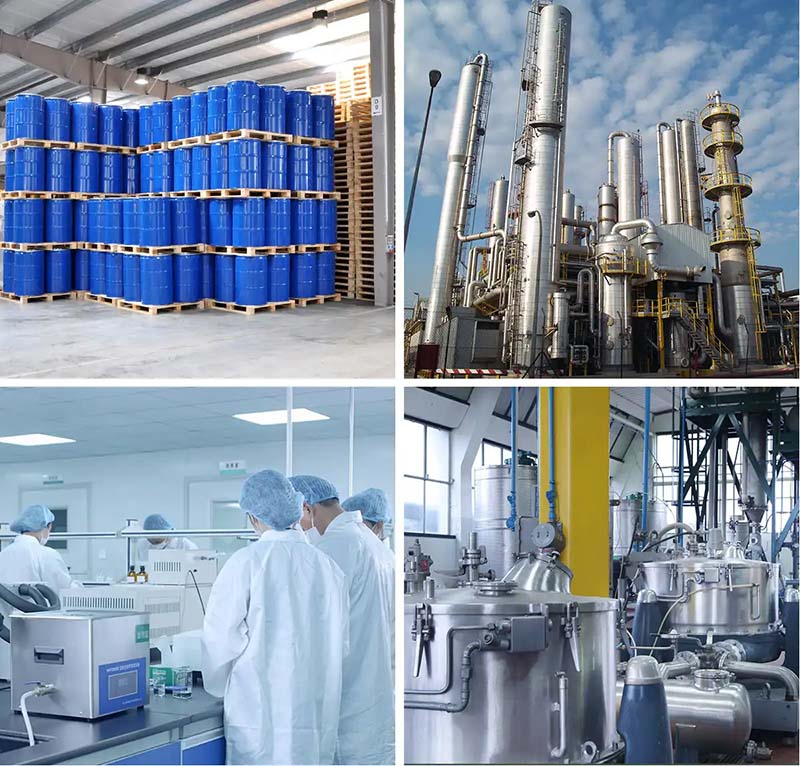
Fact Factory and Equipment Show