Methyl pyruvate #CAS600-22-6
CAS Number:600-22-6
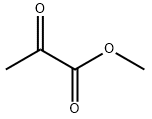
Chemical Formula:C4H6O3
Synonyms:
2-oxo-propionicacidmethylester
Methylglyoxylic acid methyl ester
METHYL 2-OXO-PROPIONATE
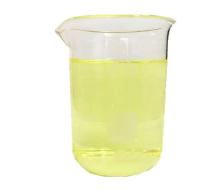
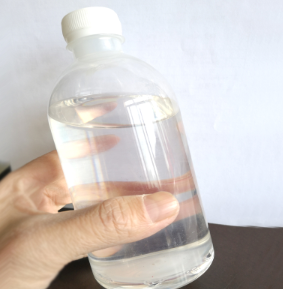
Appearance:Colorless to pale yellow transparent liquid state
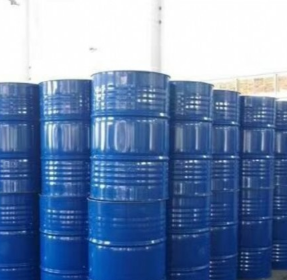
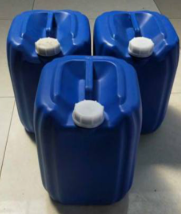
MOQ (Minimum Order Quantity): 1 FCL (Full Container Load)
Methyl pyruvate #CAS600-22-6
Physically and chemically, it is a colorless to pale yellow transparent liquid, slightly soluble in water but highly miscible with most organic solvents such as ethanol, ether, and chloroform, which greatly facilitates its use in various non-aqueous organic reaction systems. In terms of hydrolysis and chemical stability, its ester group is highly sensitive to nucleophiles and readily undergoes hydrolysis in the presence of acid or base catalysts, releasing pyruvic acid and methanol; this hydrolysis proceeds significantly faster under heat or alkaline conditions. Meanwhile, its highly reactive ketone carbonyl group makes it prone to intermolecular self-condensation or polymerization reactions. At room temperature, upon exposure to light or trace amounts of air, it easily undergoes slow oxidation and degradation, causing industrial products to gradually change color from colorless to deep yellow or even amber over time. In fine organic synthesis, the compound's core value lies in its ketone carbonyl group, which enables efficient participation in a variety of typical reactions including addition, condensation, nucleophilic substitution, and reduction. For example, it can undergo Schiff base condensation with amines, react with hydrazines to form hydrazones, and be selectively converted into chiral methyl lactate via asymmetric hydrogenation or enzymatic reduction. Additionally, it can participate in Wittig reactions, Diels-Alder reactions, and condensations with various heterocyclic compounds (such as pyrimidinediones), serving as a key chiral building block for constructing complex pharmaceutical intermediates, highly effective pesticide fungicides, herbicides, and premium fragrances. To suppress its high reactivity—particularly self-polymerization, hydrolysis, and oxidative degradation—industrial storage requires strict conditions: it must be stored sealed in a cool, dry, light-protected environment at 2–8°C, typically under an inert gas atmosphere such as nitrogen.
Application Of Methyl pyruvate
Methyl Pyruvate acts as a potent secretagogue used in the study of stimulus-secretion coupling. Also used in the preparation of quinoxalines as dual phoosphodiesterase 2/10 (PDE2/10) inhibitors. It increases free calcium ion concentration in the cytosol of pancreatic cells. It is used in the preparation of dimethyl 2,3-dimethylenebutanedioate.Methyl pyruvate may be used to investigate the adsorption and reactivity of methyl pyruvate on Pt{111}. It may be used in the preparation of dimethyl 2,3-dimethylenebutanedioate.Methyl pyruvate, with its unique and highly reactive α-keto carbonyl group adjacent to an ester moiety, is widely recognized as a high-value, versatile chiral building block and key synthetic intermediate in modern fine chemicals, pharmaceutical manufacturing, new pesticide development, and premium fragrance industries. In the pharmaceutical sector, it serves as a core raw material for synthesizing numerous frontline clinical drugs. Its ketone carbonyl group enables highly selective asymmetric catalytic hydrogenation, enzymatic reduction, or nucleophilic addition, allowing the construction of optically pure chiral drug precursors—such as methyl L-lactate and methyl D-lactate—used extensively in the framework assembly of complex targeted molecules including anticancer agents, cardiovascular therapeutics, antivirals, and novel antibiotics. In agrochemicals, methyl pyruvate forms the foundation for developing modern green, low-toxicity, and highly selective pesticides. A prime example is its role as an essential intermediate in producing famoxadone, a broad-spectrum fungicide. It also participates in the synthesis of various next-generation sulfonylurea- or imidazolinone-based ultra-efficient herbicides, insecticides, and plant growth regulators, enhancing formulation efficacy while accelerating natural environmental degradation to reduce residue levels. In the fragrance and personal care industry, due to its ability to undergo condensation, cyclization, and nucleophilic substitution reactions, it is frequently used to synthesize high-end fragrances with distinctive aromatic profiles, serving as a crucial reactant in food flavor enhancers (e.g., for bread and coffee) and cosmetic perfumes. Furthermore, with the advancement of green chemistry, its potential applications are expanding into new areas such as specialty polymer modification agents and materials science. Its vast application potential has positioned it as a rapidly growing, high-value-added fine chemical in today’s chemical market.
| Methyl pyruvate Chemical Properties |
| Melting point | -22 °C |
| Boiling point | 134-137 °C (lit.) |
| density | 1.13 g/mL at 25 °C (lit.) |
| refractive index | n |
| Fp | 103 °F |
| storage temp. | 2-8°C |
| solubility | ethanol: soluble1.1g/10 mL, clear, colorless to almost colorless |
| form | liquid |
| color | Yellow |
| Water Solubility | Soluble in chloroform, methanol, ether, alcohol. Slightly soluble in water. |
| Merck | 14,8021 |
| BRN | 1361953 |
| InChI | 1S/C4H6O3/c1-3(5)4(6)7-2/h1-2H3 |
| InChIKey | CWKLZLBVOJRSOM-UHFFFAOYSA-N |
| SMILES | COC(=O)C(C)=O |
| LogP | -0.159 (est) |
| CAS DataBase Reference | 600-22-6(CAS DataBase Reference) |
| NIST Chemistry Reference | Propanoic acid, 2-oxo-, methyl ester(600-22-6) |
| Safety Information |
| Hazard Codes | Xi,F |
| Risk Statements | 10 |
| Safety Statements | 23-24/25-16 |
| RIDADR | UN 3272 3/PG 3 |
| WGK Germany | 3 |
| F | 10-21 |
| HazardClass | 3 |
| PackingGroup | III |
| HS Code | 29183000 |
| Storage Class | 3 - Flammable liquids |
| Hazard Classifications | Flam. Liq. 3 |
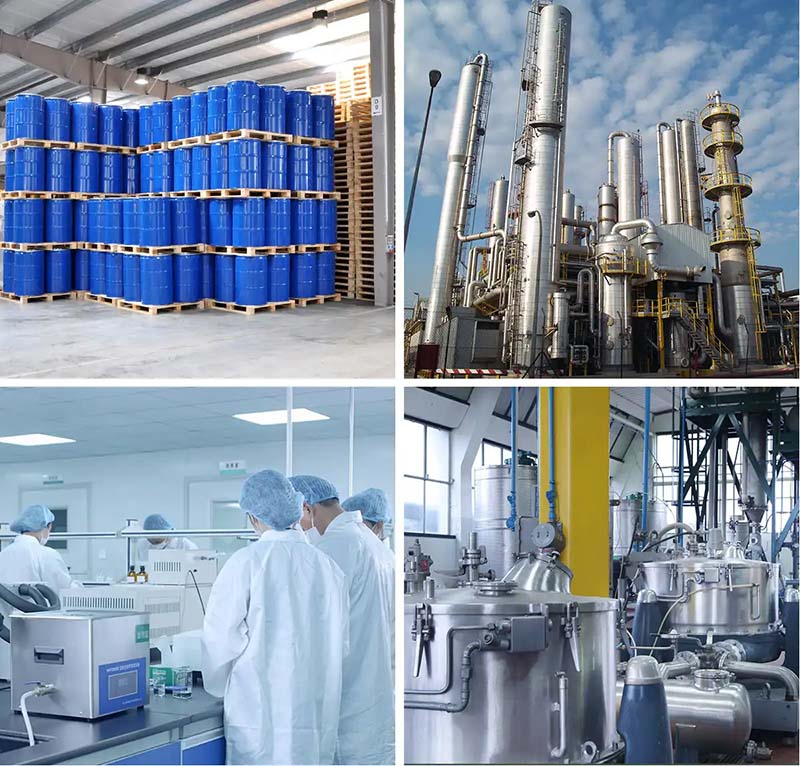
Fact Factory and Equipment Show