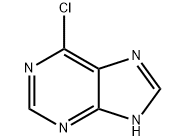
6-Chloropurine #CAS87-42-3
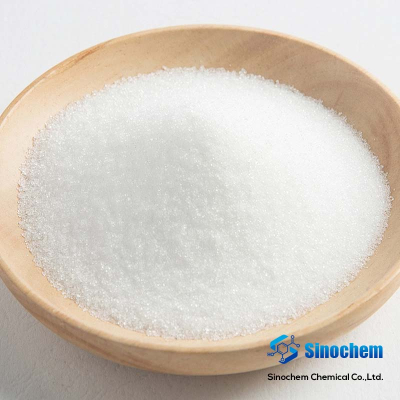
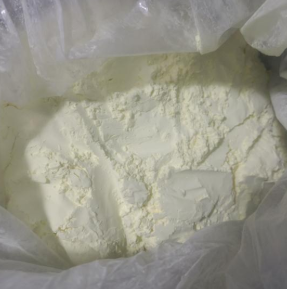
It is a pale yellow crystal with relatively stable chemical properties that do not cause decomposition at room temperature. Its structure includes nitrogen heterocycles, which give rise to remarkable alkalinity and the formation of volatile acid salts. It is soluble in dimethyl sulfoxide, but has only slight solubility in water.The most crucial property is the extremely high nucleophilic substitution activity of the six chlorine atoms. Due to the strong electron-withdrawing effect of the nitrogen atom on the conjugated ring, the electron cloud density at the carbon atom at position 6 is significantly reduced, making it highly susceptible to attacks by various nucleophilic reagents (such as primary amines, secondary amines, sodium alcohols, sulfides, hydrazines, etc.), resulting in the removal of the chlorine atom and efficient conversion into corresponding adenine derivatives, purine ethers, or mercaptopurine. Secondly, this molecule exhibits unique multiple acid-base duality and interconformational properties: the imidazole nitrogen atom on the ring (N-7 or N-9) has a weak acidity and can form soluble salts with strong bases, while the nitrogen atom on the pyrimidine ring has weak basicity and can form salts with inorganic acids; in solution, there is also a proton interconformational equilibrium between N7-H and N9-H. Moreover, this compound has a certain electrophilic substitution and hydrolysis tendency. When heated in a strong acid or strong base aqueous solution, the chlorine atom at position 6 will slowly hydrolyze and convert into hypoxanthine; under the presence of specific catalysts, the carbon atom at position 8 (C-8) can also undergo halogenation or coupling reactions. In terms of storage, although it shows good thermal stability under normal temperature, dryness, and light-shielding conditions, it should be strictly avoided from coexistence with strong oxidants, strong acids, and strong bases to prevent irreversible degradation or intense reactions.
Application Of 6-Chloropurine
6-Chloropurine is used in the preparation of 9-alkylpurines through alkylation with various substituted alkyl halides in dimethyl sulfoxide. It is also used to prepare 6-succinoaminopurine.-It is an indispensable high-value-added key intermediate and core fine chemical in the global pharmaceutical and pesticide industries. In the pharmaceutical industry, it is the "universal building block" for large-scale synthesis of anti-cancer drugs and antiviral nucleoside drugs. Through industrial-level amidation, mercuration and alkylation reactions, it is widely used to produce 6-mercaptopurine (6-MP), 6-thioguanine, and various antiviral targeted drugs, immunosuppressants and antihistamine drugs against human immunodeficiency virus (HIV) and hepatitis B virus (HBV). In the pesticide and agricultural technology fields, this compound is the absolute core raw material for synthesizing new and highly efficient plant growth regulators (auxins). Through industrial-scale condensation reactions with different aromatic amines (such as furanamine) or long-chain alkylamines, it can efficiently produce highly active products such as kinetin and 6-BA, and is widely used in improving crop quality and plant tissue culture in modern agriculture. Moreover, in the fine chemicals and biotechnology industries, it serves as the starting point for the research and development of hundreds of downstream purine nucleoside analogues, antimetabolites and high-purity biochemical reagents, and is highly irreplaceable.
| 6-Chloropurine Chemical Properties |
| Melting point | >300 °C (dec.) (lit.) |
| Boiling point | 254.17°C (rough estimate) |
| density | 1.4649 (rough estimate) |
| refractive index | 1.8430 (estimate) |
| storage temp. | Keep in dark place,Sealed in dry,Room Temperature |
| solubility | 5 g/L |
| form | crystalline |
| pka | 7.47±0.20(Predicted) |
| color | yellow-orange |
| biological source | mouse |
| Water Solubility | 5 g/L |
| Merck | 14,2161 |
| BRN | 5774 |
| InChI | 1S/C5H3ClN4/c6-4-3-5(9-1-7-3)10-2-8-4/h1-2H,(H,7,8,9,10) |
| InChIKey | ZKBQDFAWXLTYKS-UHFFFAOYSA-N |
| SMILES | Clc1ncnc2[nH]cnc12 |
| CAS DataBase Reference | 87-42-3(CAS DataBase Reference) |
| NIST Chemistry Reference | 6-Chloropurine(87-42-3) |
| Safety Information |
| Hazard Codes | Xn,Xi |
| Risk Statements | 22-36/37/38-20/21/22 |
| Safety Statements | 26-36-36/37/39 |
| WGK Germany | 3 |
| RTECS | UO7520000 |
| F | 10-23 |
| HazardClass | IRRITANT |
| HS Code | 29335990 |
| Storage Class | 11 - Combustible Solids |
| Hazard Classifications | Acute Tox. 4 Oral |
| Toxicity | LD50 oral in mouse: 720mg/kg |
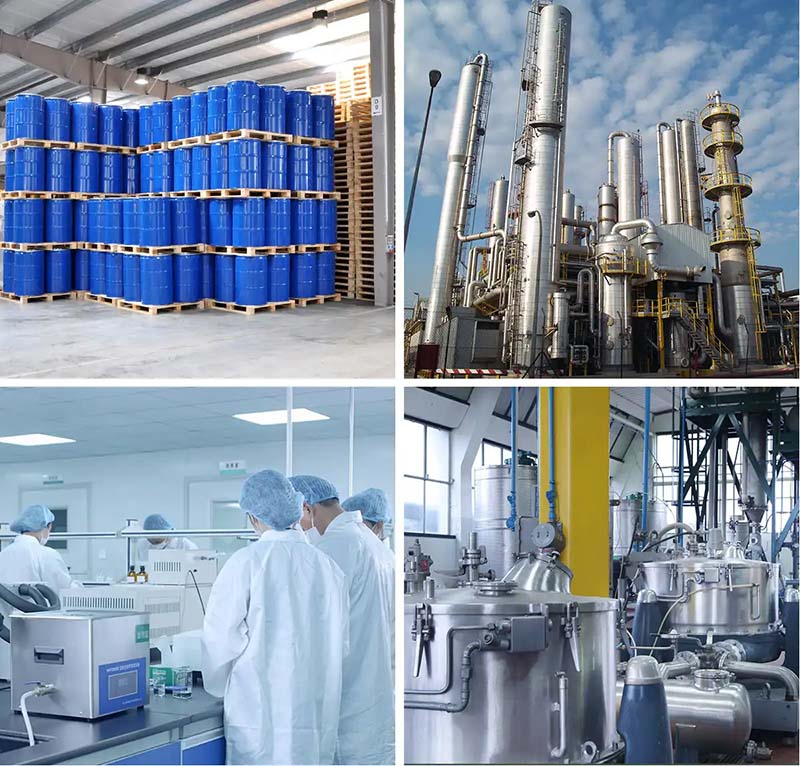
Fact Factory and Equipment Show