

Bromoacetyl bromide #CAS598-21-0
CAS Number: 598-21-0
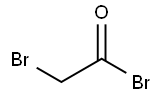
Chemical Formula:C2H2Br2O
Synonyms:
Acetyl bromide, bromo-
acetylbromide,bromo-
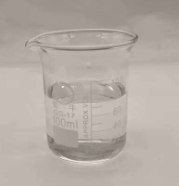
BroMoacetyl broMide, 98+% 500ML
Appearance:Liquid (transparent liquid) is colorless or slightly yellowish.
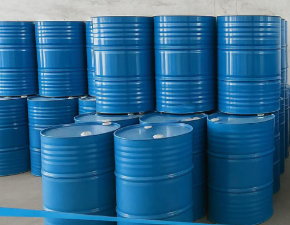
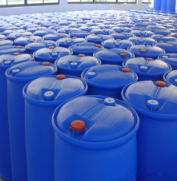
MOQ (Minimum Order Quantity): 1 FCL (Full Container Load)
Bromoacetyl bromide #CAS598-21-0
A water-white liquid with a pungent odor. Denser than water. Irritates skin, eyes and mucous membranes. May be toxic by ingestion, inhalation and skin absorption. Used to make other chemicals.Bromoacetyl bromide is incompatible with water, with bases (including amines), with strong oxidizing agents, with alcohols. May react vigorously or explosively if mixed with diisopropyl ether or other ethers in the presence of trace amounts of metal salts. Decomposes when heated with evolution of highly toxic and irritating hydrogen bromide and bromophosgene vapors.The chemical properties stem from the simultaneous presence of the acyl bromide group and the alkyl bromine atom in the molecular structure. These two excellent leaving groups endow the molecule with extremely strong electrophilic attacking ability. It exhibits an almost explosive tendency of intense hydrolysis in the presence of water and moisture in the air, spontaneously releasing a large amount of highly corrosive and tear-inducing bromine hydride gas. In an anhydrous system, due to the extremely strong positive charge of the acyl carbon, it can spontaneously and efficiently undergo acylation reactions with nucleophilic reagents such as amines, alcohols, and phenols, thereby constructing the core framework of bromoacetamide or bromoacetic ester in one step. More importantly, after the first step of acylation, the remaining alkyl bromine atom can still serve as a highly reactive target, continuing to undergo nucleophilic substitution reactions with the second molecule's nucleophilic reagent or undergoing Friedel-Crafts acylation on the aromatic ring under the catalysis of Lewis acid. This "first acylation, then substitution" two-site sequential reaction characteristic enables it to easily combine with bifunctional compounds to build complex heterocyclic structures such as imidazole, thiazole, and oxazole through one-pot synthesis, thus becoming an indispensable powerful acylating agent and ring-forming building block in modern medicine, pesticides, and fine chemicals.
Application Of Bromoacetyl bromide
Bromoacetyl bromide is widely used in the synthesis of fine chemicals, agrochemicals, dyes and pharmaceuticals. As an acylating agent, it reacts with 10H-phenothiazine to give 10-bromoacetyl-10H-phenothiazine. Similarly, it is also involved in the preparation of bromoactylated starch which is a biodegradable thermoplastic copolymer.Bromobenzoyl bromide is mainly used as a high-value-added, potent acylation agent and a ring-forming intermediate, and is widely applied in the synthesis of medicines, pesticides, and fine chemicals. In the pharmaceutical industry, it is an indispensable chemical building block for constructing various core drugs. By taking advantage of its "bifunctional" reaction characteristics, it can be used for efficient synthesis of hypertension treatment drugs (such as valsartan, losartan), central nervous system drugs (such as donepezil), and certain antibiotics and steroid hormone drugs. In the pesticide industry, it is extensively used to produce broad-spectrum, highly efficient fungicides, herbicides, and insecticides (such as certain thiazole or imidazole pesticides), helping to construct biologically active heterocyclic frameworks. Additionally, in the fields of fine chemicals and specialty materials, bromobenzoyl bromide is often used for synthesizing high refractive index optical resins, photosensitive material additives, or as a surface modification initiator for functional polymers. Due to its extremely strong hydrolysis and corrosiveness, in industrial applications, sealed automated pipeline feeding is typically used, and reactions are carried out at low or normal temperatures in an anhydrous and oxygen-free solvent system to maximize the conversion rate and reduce safety risks.
| Bromoacetyl bromide Chemical Properties |
| Melting point | 148.5°C (estimate) |
| Boiling point | 147-150 °C(lit.) |
| density | 2.324 g/mL at 20 °C |
| vapor pressure | 3.8 mm Hg ( 25 °C) |
| refractive index | n |
| Fp | >105°C |
| storage temp. | Refrigerator (+4°C) |
| solubility | soluble in Chloroform |
| form | Powder |
| color | White |
| Water Solubility | REACTS |
| Sensitive | Moisture Sensitive |
| BRN | 605440 |
| Dielectric constant | 12.6(20℃) |
| Stability: | Stable, but reacts violently with water. Incompatible with water, moisture, alcohols, strong bases, strong oxidizing agents. |
| InChI | 1S/C2H2Br2O/c3-1-2(4)5/h1H2 |
| InChIKey | LSTRKXWIZZZYAS-UHFFFAOYSA-N |
| SMILES | BrCC(Br)=O |
| LogP | -0.04 at 25℃ |
| CAS DataBase Reference | 598-21-0(CAS DataBase Reference) |
| NIST Chemistry Reference | Bromoacetyl bromide(598-21-0) |
| EPA Substance Registry System | Acetyl bromide, 2-bromo- (598-21-0) |
| Safety Information |
| Hazard Codes | C |
| Risk Statements | 34-14 |
| Safety Statements | 26-36/37/39-45-8-30-25 |
| RIDADR | UN 2513 |
| WGK Germany | 3 |
| F | 10-19 |
| TSCA | TSCA listed |
| HazardClass | 8 |
| PackingGroup | II |
| HS Code | 29159080 |
| Storage Class | 8A - Combustible corrosive hazardous materials |
| Hazard Classifications | Skin Corr. 1B |
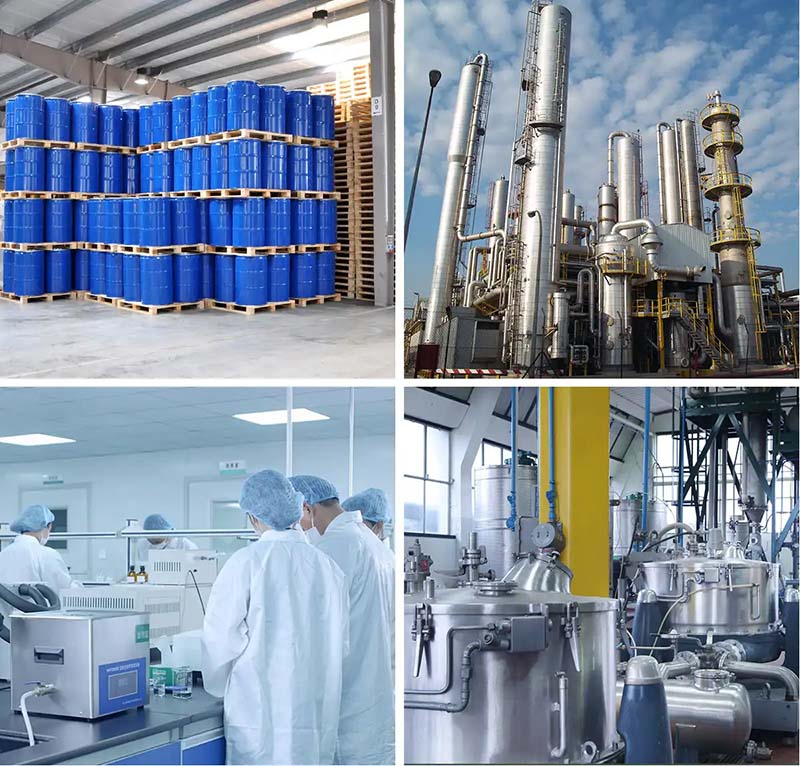
Fact Factory and Equipment Show
![Fluorphlogopite (Mg3K[AlF2O(SiO3)3]) #CAS12003-38-2](https://futiancdn.huazhi.cloud/cdn/ff/QJhQQ693qv3AomK8siKhr6_M6NMIKH_S76jznRNYhF8/1780321339/public/styles/chanp/public/2026-06/ScreenShot_2026-06-01_104206_711.png?itok=6k_YOL-G)