DL-Proline #CAS609-36-9
DL-Proline #CAS609-36-9
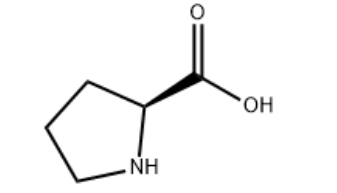
DL-proline, also known as proline (abbreviated as Pro or P), is an α-imino acid, neutral, with an isoelectric point of 6.30. It has higher water solubility than any other amino acid; approximately 162g of it is soluble in 100g of water at 25℃. It is hygroscopic, does not readily crystallize, and has a sweet taste. Heating with ninhydrin solution produces a yellow compound. Once it enters the peptide chain, it undergoes hydroxylation to form 4-hydroxyproline, an important component of animal collagen. Hydroxyproline is also present in various plant proteins, particularly involved in cell wall formation. Plants often accumulate proline significantly under various adverse conditions such as drought, high temperature, low temperature, and salinity. It has wide applications in clinical, biomaterials, and industrial fields. We know that proline exists in three forms: DL-proline, L-proline, and D-proline. The proline commonly referred to is L-proline, a naturally occurring amino acid that forms columnar crystals at room temperature. It decomposes rapidly upon heating to 215-220℃. It is soluble in hot water and ethanol. It has a slightly sweet taste and is hygroscopic. It races in alkaline solutions. [α]D 25 -86.5° (water), -60.4° (5N hydrochloric acid). It is distributed in various proteins. It is a moderately abundant amino acid in marine plankton; it is also found in seawater, particulate matter, and marine sediments.
Application of DL-Proline
Pharmaceutical Applications:
Amino acid drugs. One of the raw materials for compound amino acid large-volume parenteral solutions. Used for malnutrition, protein deficiency, severe gastrointestinal diseases, and protein supplementation after burns and surgery. No obvious toxic side effects.
Plant Cold Resistance:
Proline (Pro) is a component of plant proteins and can exist widely in a free state within plants. Under stress conditions such as drought and salinity, many plants accumulate large amounts of proline. Besides acting as an osmotic regulator in plant cytoplasm, accumulated proline plays an important role in stabilizing the structure of biological macromolecules, reducing cell acidity, detoxifying ammonia, and regulating cellular redox activity as an energy reservoir.
Under adverse conditions (drought, salinity, heat, cold, freezing), the proline content in plants increases significantly. The proline content in plants reflects their stress resistance to a certain extent; drought-resistant varieties often accumulate more proline. Therefore, measuring proline content can be used as a physiological indicator for drought-resistant breeding. Furthermore, due to its strong hydrophilicity, proline can stabilize protoplasmic colloids and metabolic processes within tissues, thus lowering the freezing point and preventing cell dehydration. Under low-temperature conditions, the increase of proline in plant tissues can improve the plant's cold resistance, thus serving as a physiological indicator for cold-resistance breeding.
Internal Functions
In vivo, proline is not only an ideal osmotic regulator but also acts as a membrane and enzyme protectant and a free radical scavenger, thus protecting plant growth under osmotic stress. Proline also plays a role in regulating cytoplasmic osmotic balance, particularly regarding the accumulation of potassium ions (another important osmotic regulator in organisms) in vacuoles.
Industrial Applications
In the synthetic industry, proline can participate in inducing asymmetric reactions and can be used as a catalyst for hydrogenation, polymerization, and aqueous reactions. When used as a catalyst in these reactions, it exhibits high activity and good stereospecificity.
| DL-Proline Chemical Properties |
| Melting point | 208 °C (dec.) (lit.) |
| Boiling point | 215.41°C (rough estimate) |
| density | 1.1808 (rough estimate) |
| refractive index | 1.4538 (estimate) |
| storage temp. | Keep in dark place,Inert atmosphere,Room temperature |
| solubility | Methanol, Water |
| pka | 2.35±0.20(Predicted) |
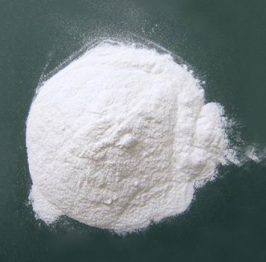
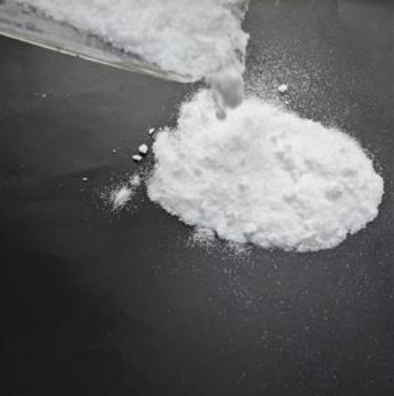
| form | Crystalline Powder |
| color | White to off-white |
| Water Solubility | SOLUBLE |
| Merck | 14,7780 |
| BRN | 80809 |
| Major Application | peptide synthesis |
| Cosmetics Ingredients Functions | SKIN CONDITIONING HAIR CONDITIONING |
| InChI | 1S/C5H9NO2/c7-5(8)4-2-1-3-6-4/h4,6H,1-3H2,(H,7,8) |
| InChIKey | ONIBWKKTOPOVIA-UHFFFAOYSA-N |
| SMILES | OC(=O)C1CCCN1 |
| CAS DataBase Reference | 609-36-9(CAS DataBase Reference) |
| NIST Chemistry Reference | DL-Proline(609-36-9) |
| EPA Substance Registry System | Proline (609-36-9) |
| Safety Information |
| Hazard Codes | Xn |
| Risk Statements | 22-36/37/38 |
| Safety Statements | 22-24/25-36/37/39-26 |
| WGK Germany | 3 |
| F | 3-10 |
| TSCA | TSCA listed |
| HS Code | 29339990 |
| Storage Class | 11 - Combustible Solids |
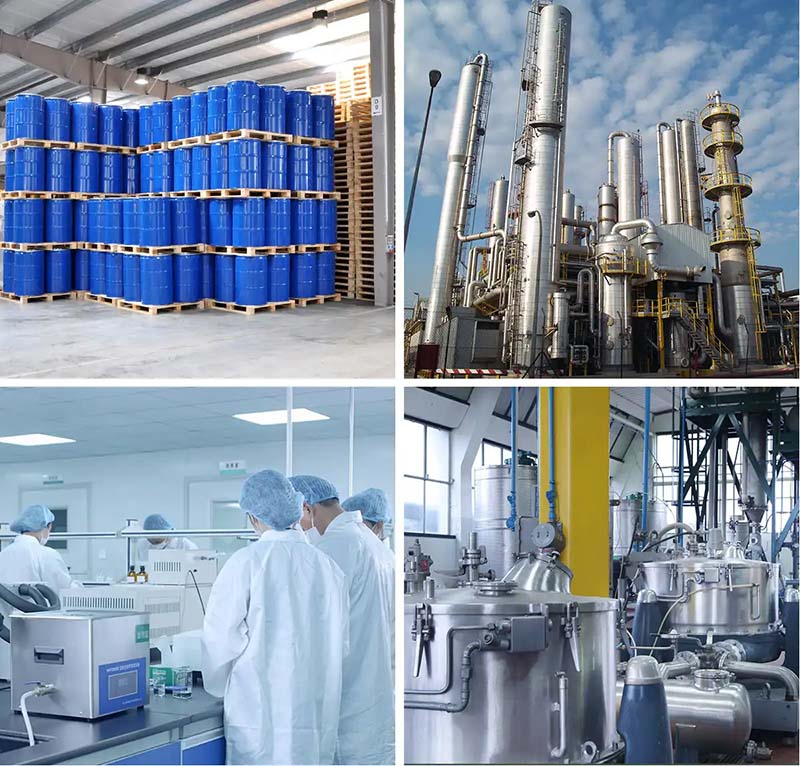
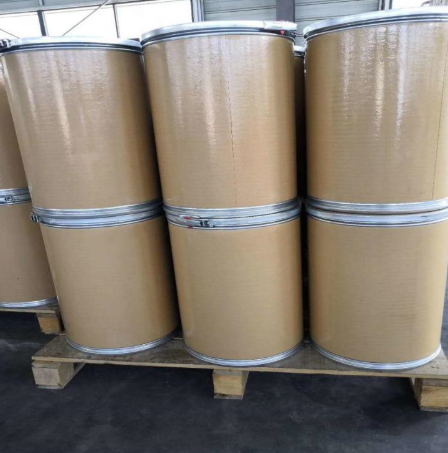
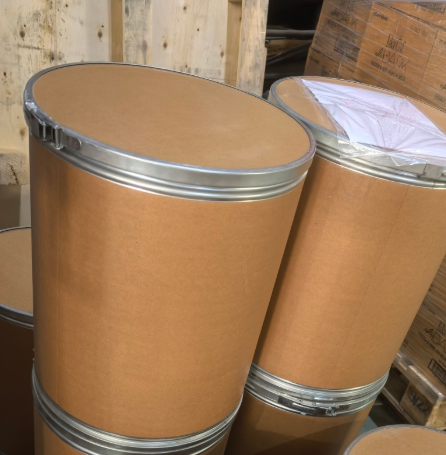
Fact Factory and Equipment Show