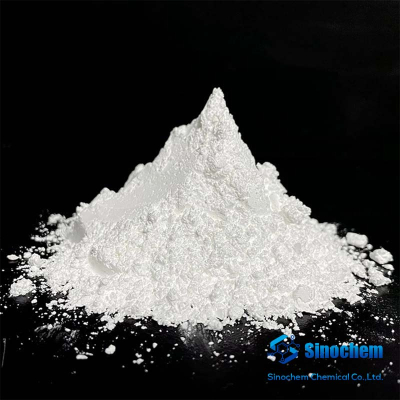
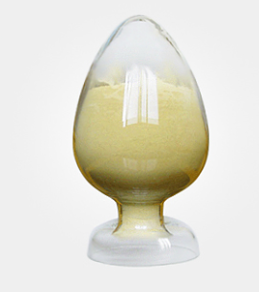
Carbon tetrabromide #CAS558-13-4
Carbon tetrabromide is considered a highly toxic chemical, may be fatal if inhaled, swallowed, or absorbed through skin. It is metabolized in vitro to produce carbon monoxide but the in vivo significance has not been established. Under anaerobic reducing conditions it forms complexes with ferrous cytochrome P450. Carbon monoxide is detected as a metabolic product of the interaction. Carbon tetrabromide’s production and use in organic syntheses may result in its release to the environment through various waste streams. Carbon tetrabromide has been isolated from red algae, Asparagopsis toxiformis, found in the ocean near Hawaii. It was detected in water from treated chlorinated seawater used for drinking at oil platforms. Occupational exposure to carbon tetrabromide may occur through inhalation and dermal contact with this compound at workplaces where it is produced or used. The general population may be exposed to carbon tetrabromide via ingestion of drinking water. Acute exposures to high concentrations may cause upper respiratory tract irritation and injury to lungs, liver (hepatotoxicity) and kidneys (nephrotoxicity). Chronic exposure effects at very low levels will be almost entirely limited to liver injury. It is a potent lachrymator even at low exposure concentrations. Although carbon tetrabromide may release bromine ions during metabolism, clinical bromism is not expected to occur.
Application of Carbon tetrabromide
Carbon tetrabromide (CBr4) is a multifunctional chemical reagent widely used in chemical and pharmaceutical industries. It mainly includes:
(1) As a thiophilic reagent, it promotes the one-pot oxidative condensation of amines with N,N'-disubstituted thioureas to give a variety of guanidine derivatives.
(2) As a bromine radical precursor, used in the electrochemical radical bromination and cyclisation sequence of enoic acid to prepare bromomethylated γ-lactone derivatives.
(3) As a precursor of hydrogen atom transfer reagent, used to generate aromatic carbonyl compounds.
(4) As raw materials or intermediates for organic synthesis. Synthesis of N-sulfonylformamidine from CBr4 and formamide under UVA irradiation. Activated imine intermediates (Vilsmeier-Haack reagent derivatives) were obtained via a photoinduced reaction between CBr4 and formamide.
Carbon tetrabromide is used to a limited extent as a chemical intermediate. It has been isolated from red algae, Asparagopsis toxiformis, found in the ocean near Hawaii.
| Carbon tetrabromide Chemical Properties |
| Melting point | 88-90 °C(lit.) |
| Boiling point | 190 °C(lit.) |
| density | 3,42 g/cm3 |
| vapor pressure | 40 mm Hg ( 96 °C) |
| refractive index | 1.5942 |
| Fp | 190°C |
| storage temp. | Store below +30°C. |
| solubility | soluble in Chloroform |
| form | Crystalline Solid |
| color | White to off-white |
| Water Solubility | insoluble |
| Specific Heat Capacity | Cp(crystal): 0.44 J/(g·K); Cp(gas): 0.28 J/(g·K), at 25℃ |
| BRN | 1732799 |
| Henry's Law Constant | 2.0×10⁻² mol/(m3Pa) at 25℃, Duchowicz et al. (2020) |
| Exposure limits | PC-TWA:1.5 mg/m3; PC-STEL:4 mg/m3 |
| Dielectric constant | 7(22.0℃) |
| InChI | 1S/CBr4/c2-1(3,4)5 |
| InChIKey | HJUGFYREWKUQJT-UHFFFAOYSA-N |
| SMILES | BrC(Br)(Br)Br |
| CAS DataBase Reference | 558-13-4(CAS DataBase Reference) |
| NIST Chemistry Reference | Carbon tetrabromide(558-13-4) |
| EPA Substance Registry System | Carbon tetrabromide (558-13-4) |
| Safety Information |
| Hazard Codes | Xi,T+,N,Xn |
| Risk Statements | 37/38-41-36-26-52/53-22 |
| Safety Statements | 26-36-45-27-24-61 |
| OEB | B |
| OEL | TWA: 0.1 ppm (1.4 mg/m3), STEL: 0.3 ppm (4 mg/m3) |
| RIDADR | UN 2516 |
| WGK Germany | 3 |
| RTECS | FG4725000 |
| TSCA | TSCA listed |
| HazardClass | 6.1 |
| PackingGroup | III |
| HS Code | 29033036 |
| Storage Class | 6.1C - Combustible acute toxic Cat.3 toxic compounds or compounds which causing chronic effects |
| Hazard Classifications | Acute Tox. 4 Oral Eye Dam. 1 Skin Irrit. 2 STOT SE 3 |
| Hazardous Substances Data | 558-13-4(Hazardous Substances Data) |
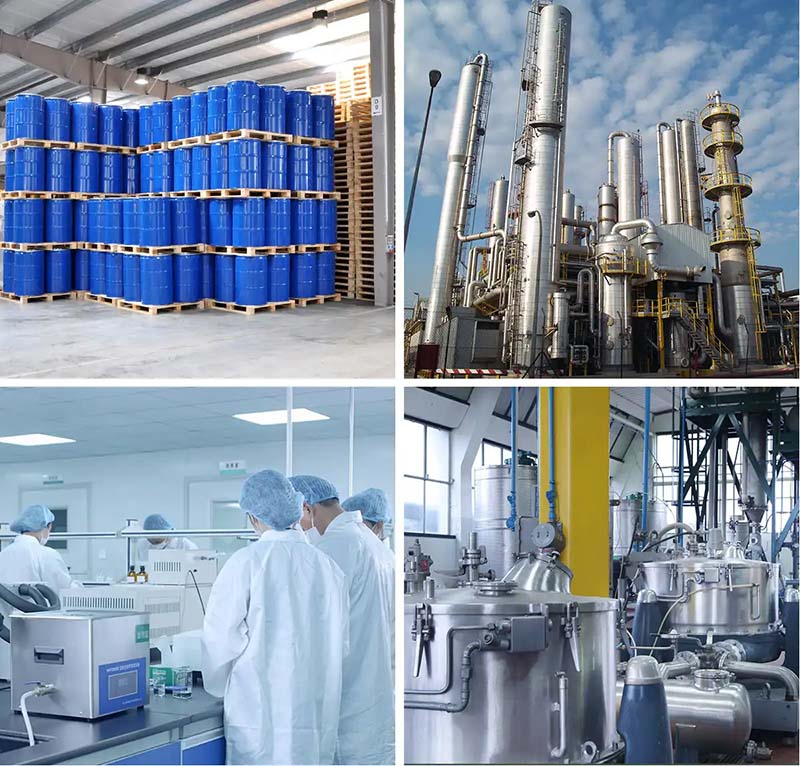
Fact Factory and Equipment Show