Succinic acid #CAS110-15-6
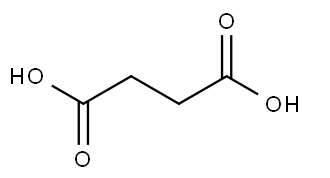
Succinic acid (butanedioic acid) is a dicarboxylic acid. It is a common intermediate in the metabolic pathway of several anaerobic and facultative micro-organisms.
Succinic acid is used as a dietary supplement for symptoms related to menopause such as hot flashes and irritability. It is used as a flavoring agent for food and beverages. It is used to manufacture polyurethanes, paints and coatings, adhesives, sealants, artificial leathers, cosmetics and personal care products, biodegradable plastics, nylons, industrial lubricants, phthalate-free plasticizers, and dyes & pigments. In the pharmaceutical industry, it is used in the preparation of active calcium succinate, as a starting material for active pharmaceutical ingredients (adipic acid, N-methyl pyrrolidinone, 2-pyrrolidinone, succinate salts, etc.), as an additive in drug formation, for medicines of sedative, antispasmer, antiplegm, antiphogistic, anrhoter, contraception and cancer curing, in the preparation of vitamin A and anti-Inflammatory, and as antidote for toxic substance.
Application of Succinic acid
Succinic acid (COOH(CH2)2COOH) is a carboxylic acid used in food (as an acidulant), pharmaceutical (as an excipient), personal care (soaps) and chemical (pesticides, dyes and lacquers) industries. Bio-based succinic acid is seen as an important platform chemical for the production of biodegradable plastics and as a substitute of several chemicals (such as adipic acid).
Succinic Acid is widely used in the food industry as a chelating agent and as a pH adjuster. The FDA has granted Succinic Acid with the GRAS status (Generally Recognised as Safe Substance). Studies conducted within the food industry show Succinic Acid has anti-oxidant properties: even though this does not imply the same will be exerted when the substance is applied topically, it gives an indication that suitable tests could be carried out to understand whether Succinic Acid maintain such effect once formulated in a cosmetic product. Succinic Acid is also used as an intermediate to manufacture several chemicals, amongst which raw materials for the cosmetic and personal-care industry, e.g. emollients, surfactants and emulsifiers.
| Succinic acid Chemical Properties |
| Melting point | 185 °C |
| Boiling point | 235 °C |
| density | 1.19 g/mL at 25 °C(lit.) |
| bulk density | 940kg/m3 |
| vapor pressure | 0-0Pa at 25℃ |
| refractive index | n |
| FEMA | 4719 | SUCCINIC ACID |
| Fp | >230 °F |
| storage temp. | 2-8°C |
| solubility | Soluble in ethanol, ethyl ether, acetone and methanol. Insoluble in toluene, benzene, carbon disulfide, carbon tetrachloride and petroleum ether. |
| pka | 4.16(at 25℃) |
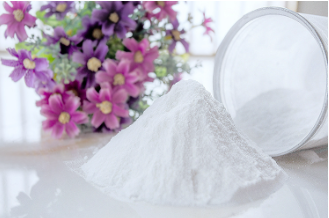
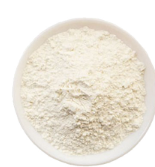
| form | Powder/Solid |
| color | White to off-white |
| PH | 3.65(1 mM solution);3.12(10 mM solution);2.61(100 mM solution); |
| Odor | at 100.00 %. wormwood |
| Odor Type | herbal |
| biological source | synthetic |
| Water Solubility | 80 g/L (20 ºC) |
| Merck | 14,8869 |
| JECFA Number | 2307 |
| BRN | 1754069 |
| Henry's Law Constant | 3.1×10⁷ mol/(m3Pa) at 25℃, Burkholder et al. (2019) |
| Dielectric constant | 2.4(26℃) |
| Stability: | Stable. Substances to be avoided include strong bases, strong oxidizing agents. Combustible. |
| Cosmetics Ingredients Functions | FRAGRANCE BUFFERING |
| InChI | 1S/C4H6O4/c5-3(6)1-2-4(7)8/h1-2H2,(H,5,6)(H,7,8) |
| InChIKey | KDYFGRWQOYBRFD-UHFFFAOYSA-N |
| SMILES | OC(=O)CCC(O)=O |
| LogP | -0.59 |
| CAS DataBase Reference | 110-15-6(CAS DataBase Reference) |
| NIST Chemistry Reference | Butanedioic acid(110-15-6) |
| EPA Substance Registry System | Succinic acid (110-15-6) |
| Safety Information |
| Hazard Codes | Xi |
| Risk Statements | 37/38-41-36/37/38 |
| Safety Statements | 26-36/37/39-37/39-39 |
| RIDADR | UN 3265 8/PG 3 |
| WGK Germany | 1 |
| RTECS | WM4900000 |
| Autoignition Temperature | 470 °C |
| TSCA | TSCA listed |
| HS Code | 29171990 |
| Storage Class | 11 - Combustible Solids |
| Hazard Classifications | Eye Dam. 1 |
| Hazardous Substances Data | 110-15-6(Hazardous Substances Data) |
| Toxicity | LD50 orally in Rabbit: 2260 mg/kg |
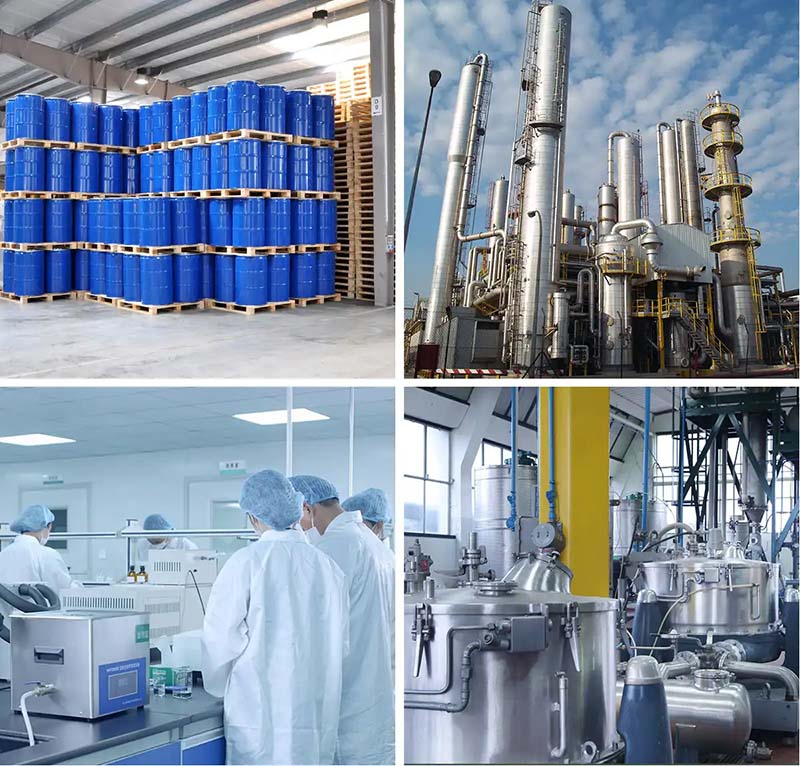
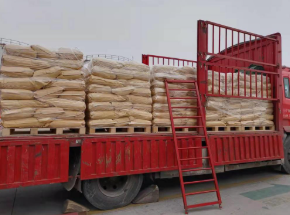
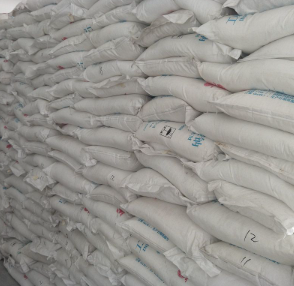
Fact Factory and Equipment Show