Methylparaben #CAS99-76-3
Parabens are a general term for various paraben ester preservatives, a class of widely used chemical preservatives, and also found in some plants as natural antibacterial agents. Chemical name: paraben esters. Trade name: parabens. Common members include methylparaben, ethylparaben, propylparaben, and butylparaben. They are often labeled as "methylparaben" or "ethylparaben" on product packaging. Parabens have broad-spectrum antibacterial activity and are widely used as preservatives in cosmetics, food, pharmaceuticals, textiles, and other industries. In addition, sodium ethylparaben and propyl-d7 parabens also exist.
Application of Methylparaben
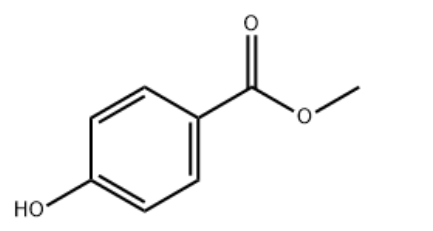
Methylparaben is the ester of methyl alcohol and p-hydroxybenzoic acid, It is a bacteriostatic agent and preservative that was added to local anesthetic agents without vasoconstrictors before 1984 to prevent bacterial growth. Allergic reactions developed from repeated exposures to parabens led to the removal of this agent from dental anesthetic solutions. Similar products produced by similar production methods, like ethyl p-hydroxybenzoate (paraben B) and propyl p-hydroxybenzoate (Nepalese c), are also disinfectant preservatives. The products are irritating to the skin.
Methylparaben and propylparaben are the most common of these. parabens is one of the most commonly used group of preservatives in the cosmetic, pharmaceutical, and food industries. Parabens provide bacteriostatic and fungistatic activity against a diverse number of organisms, and are considered safe for use in cosmetics, particularly in light of their low sensitizing potential. An evaluation of preservatives for use in leave-on cosmetic preparations lists parabens among the least sensitizing. The range of concentrations used in cosmetics varies between 0.03 and 0.30 percent, depending on the conditions for use and the product to which the paraben is added.
Methylparaben is one of the most popular preservatives in beauty products and food items. According to the National Library of Medicine, the ingredient occurs naturally in a handful of fruits—like blueberries—though it can also be created synthetically.It's found in everything from cream cleansers and moisturizers to primers and foundations and helps these products maintain their effectiveness. Rabach says that it's chock-full of anti-fungal and antibacterial properties, which work wonders to extend the shelf life of skincare, haircare, and cosmetic products.
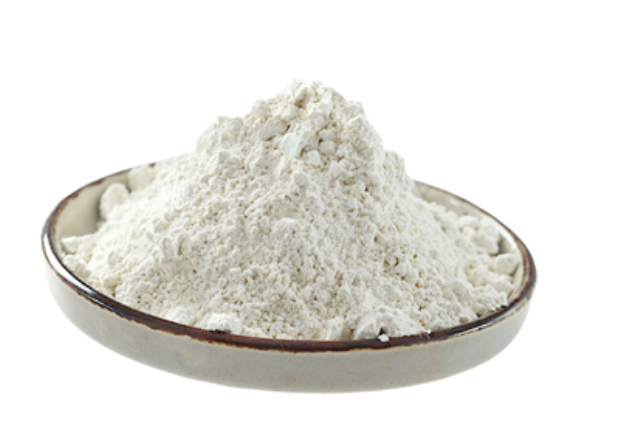
Methylparaben is an antimicrobial agent which is a white free-flowing powder. it is active against yeast and molds over a wide ph range. see parabens.
| Methylparaben Chemical Properties |
| Melting point | 125-128 °C (lit.) |
| Boiling point | 298.6 °C |
| density | 1,46g/cm |
| vapor pressure | 0.000005 hPa (20 °C) |
| FEMA | 2710 | METHYL P-HYDROXYBENZOATE |
| refractive index | 1.4447 (estimate) |
| Fp | 280°C |
| storage temp. | room temp |
| solubility | ethanol: soluble0.1M, clear, colorless |
| pka | pKa 8.15(H2O,t =20.0) (Uncertain) |
| form | Crystalline Powder |
| color | White to almost white |
| PH | 5.8 (H2O, 20°C) (saturated solution) |
| Odor | odorless or faint char. odor, sl. burning taste |
| biological source | synthetic |
| Water Solubility | Slightly soluble in water. |
| FreezingPoint | 131℃ |
| Merck | 14,6107 |
| BRN | 509801 |
| Henry's Law Constant | 4.5×10³ mol/(m3Pa) at 25℃, HSDB (2015) |
| Stability: | Stable. Incompatible with strong oxidizing agents, strong bases. |
| Major Application | flavors and fragrances |
| Cosmetics Ingredients Functions | PRESERVATIVE FRAGRANCE |
| Cosmetic Ingredient Review (CIR) | Methylparaben (99-76-3) |
| InChI | 1S/C8H8O3/c1-11-8(10)6-2-4-7(9)5-3-6/h2-5,9H,1H3 |
| InChIKey | LXCFILQKKLGQFO-UHFFFAOYSA-N |
| SMILES | COC(=O)c1ccc(O)cc1 |
| LogP | 1.98 at 20℃ |
| CAS DataBase Reference | 99-76-3(CAS DataBase Reference) |
| NIST Chemistry Reference | Benzoic acid, 4-hydroxy-, methyl ester(99-76-3) |
| EPA Substance Registry System | Methylparaben (99-76-3) |
| Safety Information |
| Hazard Codes | Xi,Xn |
| Risk Statements | 36/37/38-20/21/22-36 |
| Safety Statements | 26-36-24/25-39 |
| RIDADR | UN 2769 |
| WGK Germany | 1 |
| RTECS | DH2450000 |
| Autoignition Temperature | >600 °C |
| TSCA | TSCA listed |
| HS Code | 29182930 |
| Storage Class | 11 - Combustible Solids |
| Hazard Classifications | Aquatic Chronic 2 |
| Hazardous Substances Data | 99-76-3(Hazardous Substances Data) |
| Toxicity | LD50 orally in Rabbit: 2100 mg/kg |
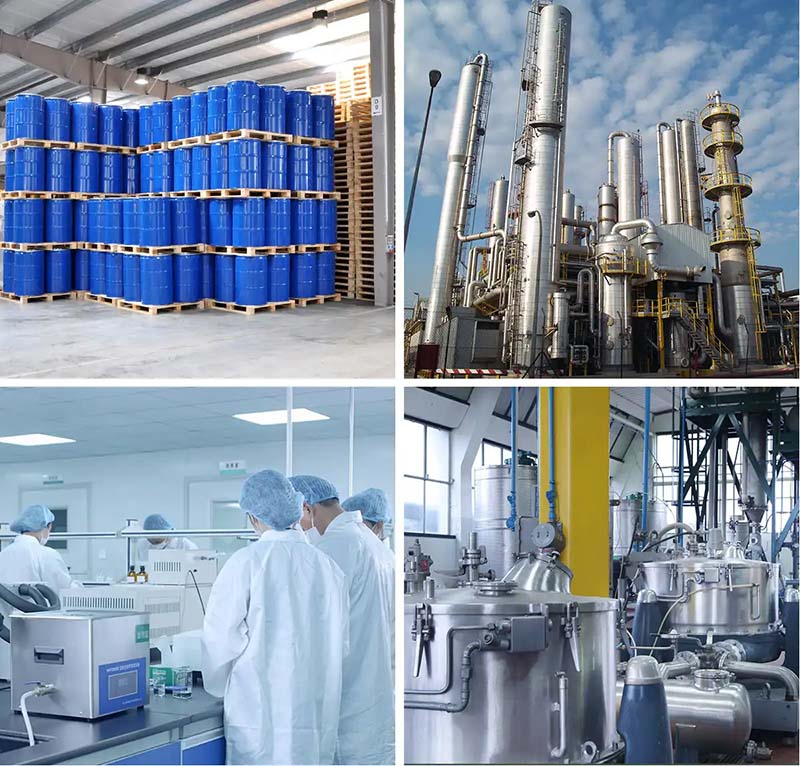
Fact Factory and Equipment Show