Formic acid #CAS64-18-6
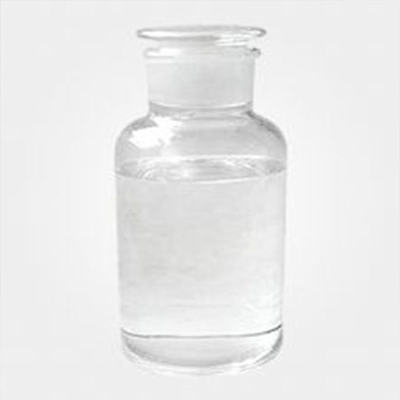
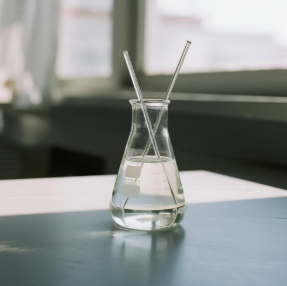
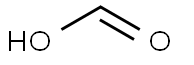
Formic acid is a clear, colorless liquid with a pungent odor. Formic acid was first isolated from certain ants and was named after the Latin formica, meaning ant. It is made by the action of sulfuric acid on sodium formate, which is produced from carbon monoxide and sodium hydroxide. It is also produced as a by-product in the manufacture of other chemicals such as acetic acid.
It can be anticipated that use of formic acid will continuously increase as it replaces inorganic acids and has a potential role in new energy technology. Formic acid toxicity is of a special interest as the acid is the toxic metabolite of methanol.
Application of Formic acid
Formic acid occurs in the stings of ants andbees. It is used in the manufacture of estersand salts, dyeing and finishing of textiles andpapers, electroplating, treatment of leather,and coagulating rubber latex, and also as areducing agent.
Formic acid has a number of commercial uses. It is used in the leather industry to degreaseand remove hair from hides and as an ingredient in tanning formulations. It is used as alatex coagulant in natural rubber production. Formic acid and its formulations are used aspreservatives of silage. It is especially valued in Europe where laws require the use of naturalantibacterial agents rather than synthetic antibiotics. Silage is fermented grass and crops thatare stored in silos and used for winter feed. Silage is produced during anaerobic fermentationwhen bacteria produce acids that lower the pH, preventing further bacterial action. Acetic acidand lactic acid are the desired acids during silage fermentation. Formic acid is used in silageprocessing to reduce undesirable bacteria and mold growth. Formic acid reduces Clostridiabacteria that would produce butyric acid causing spoilage. In addition to preventing silagespoilage, formic acid helps preserve protein content, improves compaction, and preservessugar content. Formic acid is used as a miticide by beekeepers.
| Formic acid Chemical Properties |
| Melting point | 8.2-8.4 °C (lit.) |
| Boiling point | 100-101 °C (lit.) |
| density | 1.22 g/mL at 25 °C (lit.) |
| vapor density | 1.03 (vs air) |
| vapor pressure | 52 mm Hg ( 37 °C) |
| refractive index | n |
| FEMA | 2487 | FORMIC ACID |
| Fp | 133 °F |
| storage temp. | 2-8°C |
| solubility | H2O: soluble1g/10 mL, clear, colorless |
| pka | 3.75(at 20℃) |
| form | Liquid |
| Specific Gravity | 1.216 (20℃/20℃) |
| color | APHA: ≤15 |
| PH | 3.47(1 mM solution);2.91(10 mM solution);2.38(100 mM solution); |
| Odor | at 0.10 % in water. pungent vinegar formyl |
| Odor Type | acetic |
| biological source | synthetic |
| explosive limit | 12-38%(V) |
| Water Solubility | MISCIBLE |
| Thermal Conductivity | 0.265 W/(m·K) at 25 ℃ |
| Sensitive | Hygroscopic |
| λmax | λ: 260 nm Amax: 0.03 λ: 280 nm Amax: 0.01 |
| Merck | 14,4241 |
| JECFA Number | 79 |
| BRN | 1209246 |
| Henry's Law Constant | At 25 °C: 95.2, 75.1, 39.3, 10.7, and 3.17 at pH values of 1.35, 3.09, 4.05, 4.99, and 6.21, respectively (Hakuta et al., 1977) |
| Dielectric constant | 58.0(16℃) |
| Exposure limits | ACGIH:TLV-TWA 5 ppm OSHA:PEL-TWA 5 ppm (9 mg/m3) NIOSH:REL-TWA 5 ppm |
| Stability: | Stable. Substances to be avoided include strong bases, strong oxidizing agents and powdered metals, furfuryl alcohol. Combustible. Hygroscopic. Pressure may build up in tightly closed bottles, so bottles should be opened carefully and vented periodically. |
| Major Application | sample preparation |
| Cosmetics Ingredients Functions | PRESERVATIVE pH ADJUSTERS FRAGRANCE |
| Cosmetic Ingredient Review (CIR) | Formic acid (64-18-6) |
| InChI | 1S/CH2O2/c2-1-3/h1H,(H,2,3) |
| InChIKey | BDAGIHXWWSANSR-UHFFFAOYSA-N |
| SMILES | OC=O |
| LogP | -0.540 |
| CAS DataBase Reference | 64-18-6(CAS DataBase Reference) |
| NIST Chemistry Reference | Formic acid(64-18-6) |
| EPA Substance Registry System | Formic acid (64-18-6) |
| Safety Information |
| Hazard Codes | T,C,Xi |
| Risk Statements | 23/24/25-34-40-43-35-36/38-10 |
| Safety Statements | 36/37-45-26-23-36/37/39 |
| OEB | B |
| OEL | TWA: 5 ppm (9 mg/m3) |
| RIDADR | UN 1779 8/PG II (FORMIC ACID with more than 85 % acid by mass) |
| RIDADR | UN 3412 8/PG II (FORMIC ACID with not less than 10 % but not more than 85 % acid by mass) |
| WGK Germany | 2 |
| RTECS | LP8925000 |
| F | 10 |
| Autoignition Temperature | 1004 °F |
| TSCA | TSCA listed |
| HazardClass | 8 |
| PackingGroup | II |
| HS Code | 29151100 |
| Storage Class | 3 - Flammable liquids |
| Hazard Classifications | Acute Tox. 3 Inhalation Acute Tox. 4 Oral Eye Dam. 1 Flam. Liq. 3 Skin Corr. 1A |
| Hazardous Substances Data | 64-18-6(Hazardous Substances Data) |
| Toxicity | LD50 in mice (mg/kg): 1100 orally; 145 i.v. (Malorny) |
| IDLH | 30 ppm |
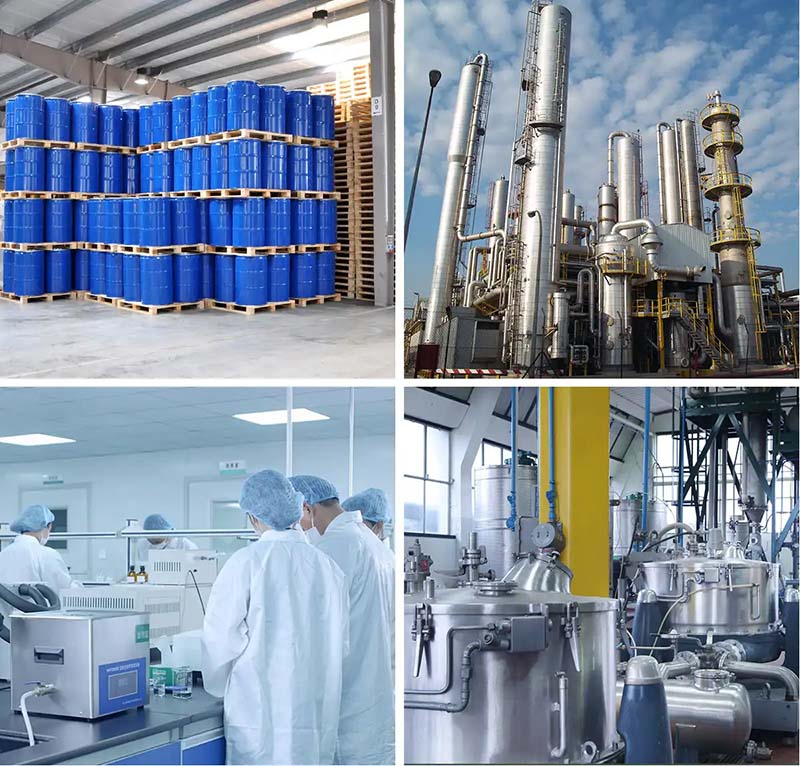
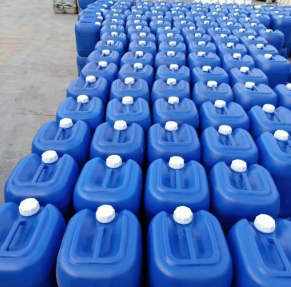
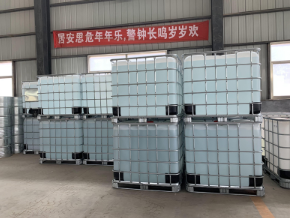
Fact Factory and Equipment Show