Lithium chloride #CAS7447-41-8
CAS Number:7447-41-8
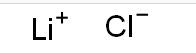
Chemical Formula:LiCl
Synonyms:
lithium atomic spectroscopy standard concentrate 1.00 g li
; lithium chloride, acs; lithium chloride, ultra drylithium ion standard solution
LITHIUMCHLORIDE,CRYSTAL,REAGENT,ACS
; LITHIUMCHLORIDE,POWDER,REAGENT,ACS; LithiumchloridAppearance:
White to gray MOQ (Minimum Order Quantity): 1 FCL (Full Container Load)
Lithium chloride #CAS7447-41-8
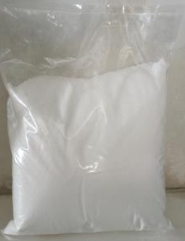
Lithium chloride is a White cubic crystals; granules or powder; hygroscopic; sharp salt-like taste; melts at 605°C; vaporizes around 1360°C, It has an unusually high water solubility when compared to the other alkali metal chlorides; readily dissolves in water (64g/100mL at 0°C); also highly soluble in alcohol and pyridine; moderately soluble in acetone (4.1 g/100mL at 25°C).
The following hydrates are known: LiCl·H2O, LiCl-3H20 and LiCl- 5H2O. The higher hydrates are stable at progressively lower temperatures. Lithium chloride is deliquescent under normal atmospheric conditions.
Lithium chloride is soluble to a significant extent in many polar organic liquids. It is generally most soluble in alcohols in which the solubility decreases as the size of the organic radical increases.
It dehumidifies air for industrial drying and for air conditioning. Lithium chloride bums with a chrims on flame and is used in pyrotechnics. It is also used as a pyrotechnic in welding and brazing fluxes.
Application of Lithium chloride
Lithium chloride is useful for the production of lithium metal, and for the generation of Mn(0) species which can be used in free radical cyclizations. It can serve as a flame colorant to generate dark red flames, a brazing flux for aluminum in automobiles, a hygrometer, and a desiccant for drying air streams. On exposure to air, it becomes a solution with the concentration directly related to relative humidity of the atmosphere, and hence serves as a relative humidity standard in calibrating hygrometers. Apart from being a source of chloride, it serves as an additive in the Stille reaction in organic synthesis, and to precipitate RNA from cellular extracts. Being biologically significant, it finds applications in a wide variety of assays to
These materials have weak oxidizing or reducing powers. Redox reactions can however still occur. For example, CO2, which is often regarded as chemically inert, vigorously oxidizes the strong reducing agent Mg if the two are heated together. The majority of compounds in this class are slightly soluble or insoluble in water. If soluble in water, then the solutions are usually neither strongly acidic nor strongly basic. These compounds are not water-reactive. Some do react with acids: carbonates generate carbon dioxide and heat when treated with acids; fluorides, sulfites and sulfides generate toxic gases (hydrogen fluoride, sulfur dioxide and hydrogen sulfide, respectively) when treated with acids.
Lithium chloride has the ability to block glycogen synthase kinase (GSK). It may also possess anti-inflammatory effects at low and non-toxic concentrations.
Human poison by ingestion. Experimental poison by intravenous and intracerebral routes. Moderately toxic by subcutaneous and intraperitoneal routes. Experimental teratogenic and reproductive effects. Human systemic effects by ingestion: somnolence, tremors, nausea or vomiting. An eye and severe skin irritant. Human mutation data reported. Questionable carcinogen with experimental neoplastigenic data. This material has been recommended and used as a substitute for sodwm chloride in "saltfree" diets, but cases have been reported in which the ingestion of lithium chloride has produced dminess, ringing in the ears, visual disturbances, tremors, and mental confusion. In most cases, the symptoms disappeared when use was discontinued. Prolonged absorption may cause disturbed electrolyte balance, impaired renal function. Reaction is violent with BrF3. When heated to decomposition it emits toxic fumes of Cl-. Used for dehumidification in the air conditioning industry. Also used to obtain lithum metal. See also LITHIUM COMPOUNDS.
Crystallise it from water (1mL/g) or MeOH and dry it for several hours at 130o. Other metal ions can be removed by preliminary crystallisation from hot aqueous 0.01M disodium EDTA. It has also been crystallised from conc HCl, fused in an atmosphere of dry HCl gas, cooled under dry N2 and pulverised in a dry-box. Kolthoff and Bruckenstein [J Am Chem Soc 74 2529 1952] precipitated it with ammonium carbonate, washed it with Li2CO3 five times by decantation and finally with suction, then dissolved it in HCl. The LiCl solution is evaporated slowly with continuous stirring in a large evaporating dish, the dry powder being stored (while still hot) in a desiccator over CaCl2.
| Lithium chloride Chemical Properties |
| Melting point | 605 °C (lit.) |
| Boiling point | 1383 °C/1 atm (lit.) |
| density | 2.06 |
| bulk density | 530kg/m3 |
| vapor pressure | 1.33 hPa (547 °C) |
| refractive index | n |
| Fp | -4 °F |
| storage temp. | 2-8°C |
| solubility | H2O: soluble |
| form | beads |
| pka | 2.256[at 20 ℃] |
| Specific Gravity | 2.068 |
| color | White to gray |
| PH | 5.5-7.5 (25℃, 50mg/mL in H2O) |
| Odor | Odorless |
| PH Range | 6 |
| Flame Color | Pink/fuchsia |
| Water Solubility | 832 g/L (20 ºC) |
| Sensitive | Hygroscopic |
| λmax | λ: 260 nm Amax: 0.01 λ: 280 nm Amax: 0.01 |
| Crystal Structure | NaCl type |
| crystal system | Cube |
| Merck | 14,5528 |
| Space group | Fm3m |
| Lattice constant | a/nmb/nmc/nmα/oβ/oγ/oV/nm30.5140.5140.5149090900.13579 |
| Stability: | Stable. Incompatible with strong oxidizing agents, strong acids, bromine trichloride, bromine trifluoride. Very hygroscopic. Protect from moisture. |
| Cosmetics Ingredients Functions | NOT REPORTED |
| InChI | 1S/ClH.Li/h1H;/q;+1/p-1 |
| InChIKey | KWGKDLIKAYFUFQ-UHFFFAOYSA-M |
| SMILES | [Li+].[Cl-] |
| LogP | -1 |
| CAS DataBase Reference | 7447-41-8(CAS DataBase Reference) |
| NIST Chemistry Reference | Lithium chloride(7447-41-8) |
| EPA Substance Registry System | Lithium chloride (7447-41-8) |
| Safety Information |
| Hazard Codes | Xi |
| Risk Statements | 40-41-62-63-20/21/22 -36/37 -36/37/38 -36/38 |
| Safety Statements | 22-26-29-33-36-45-36/37-36/37/39-37/39 |
| WGK Germany | 1 |
| RTECS | OJ5950000 |
| F | 3-10 |
| TSCA | TSCA listed |
| HS Code | 28273980 |
| Storage Class | 13 - Non Combustible Solids |
| Hazard Classifications | Acute Tox. 4 Oral Eye Irrit. 2 Skin Irrit. 2 |
| Hazardous Substances Data | 7447-41-8(Hazardous Substances Data) |
| Toxicity | LD50 in mice (mg/kg): 990 i.p.; in rats (mg/kg): 600 i.p., 4.8 i.v. (Wielosz). |
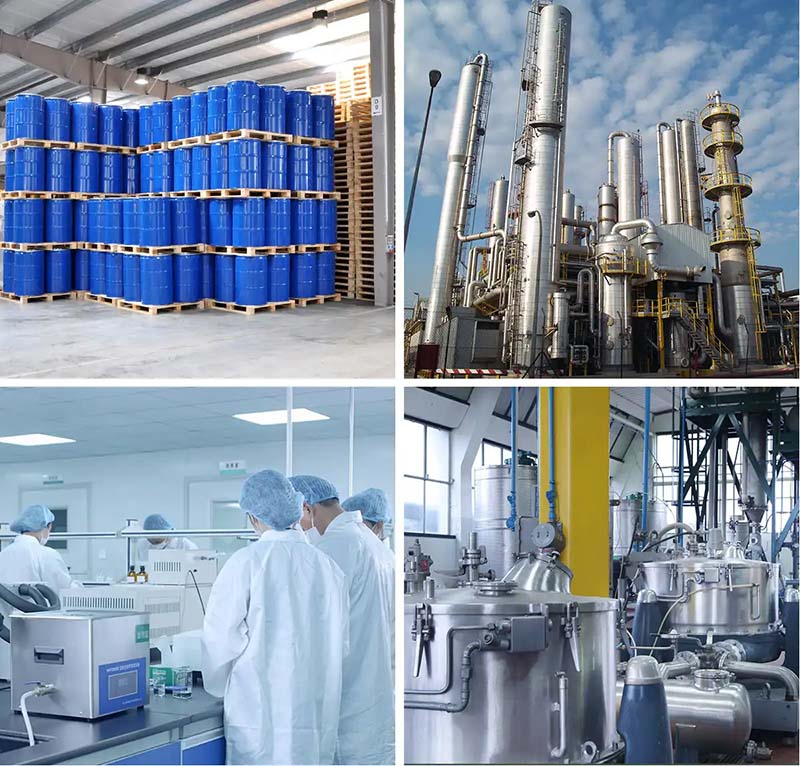
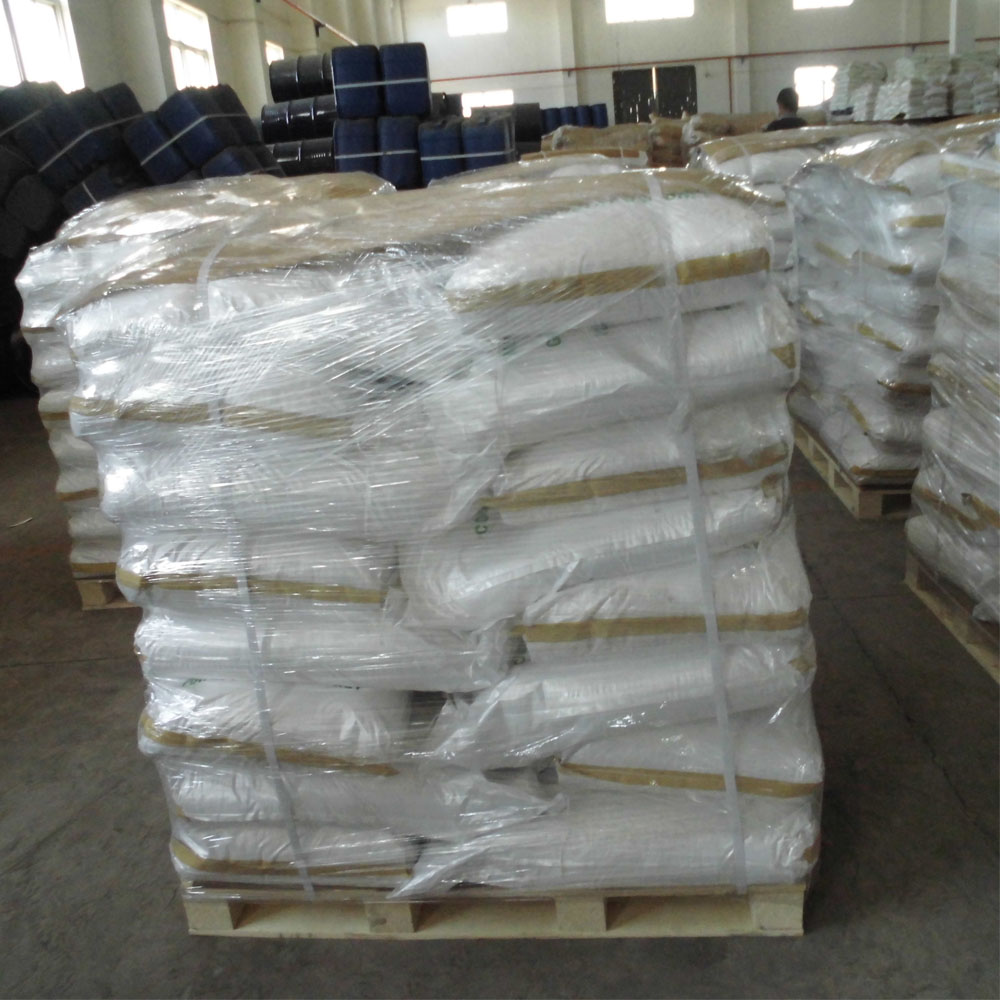
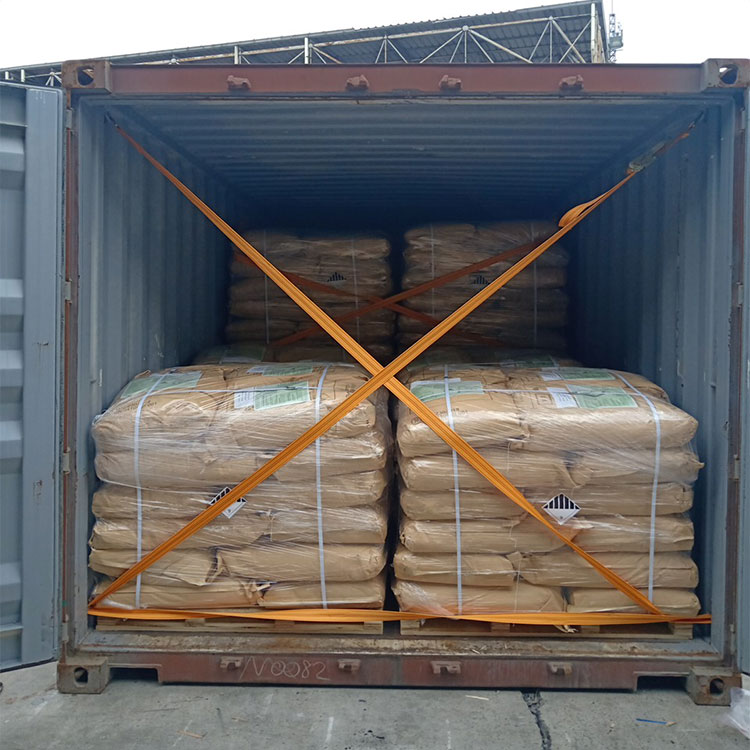
Fact Factory and Equipment Show