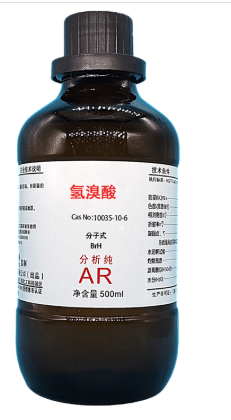
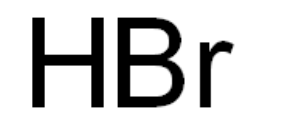
Hydrogen bromide #10035-10-6
Bromine, a compound of bromine and hydrogen, is a strong acid. It produces a slight fumes. Its toxicity is low, with a median lethal concentration (LD50) of 2.858 g/L/h inhalation in rats. Long-term exposure manifests as chronic respiratory irritation and digestive dysfunction. It is readily soluble in organic solvents such as chlorobenzene and diethoxymethylmethane. It is miscible with water, alcohols, and acetic acid. It is highly corrosive and reacts with all metals except platinum, gold, and tantalum to form metal bromides. It also has strong reducing properties; upon exposure to air and sunlight, it gradually turns yellowish-brown due to the release of bromine.
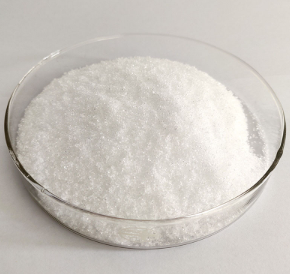
Dimethylglyoxime is a white crystalline powder. Soluble in alcohol, ether, acetone and pyridine. Solubility in water 0.5g/l, insoluble in tolerate chloroform, toluene, xylene. It is one of the first selective organic reagents applied in analytical chemistry. It is an extraordinary sensitive and specific reagent for nickel. under appropriate conditions dimethylglyoxime is specific for nickel(II) and palladium(II), but it also forms coloured water-soluble complexes with iron(II), cobalt(II) and copper(II).
Application of Hydrogen bromide
(1) Hydrogen bromide is the basic raw material for the manufacture of a variety of inorganic bromide (Such as sodium bromide, potassium bromide, lithium bromide and calcium bromide and so on) and some alkyl bromide (Such as methyl bromide, bromoethane and so on). It is used in medicine to synthesize the synthesis of sedatives and anesthetics, etc. and also is a good solvent for some metal minerals, used in the refinement of high purity metals. In the petroleum industry, it is used as the separation of alkoxy and phenoxy compounds, and a catalyst for the oxidation of cyclic hydrocarbons and chain hydrocarbons to ketones, acid or peroxide. Also used in synthetic dyes and spices.
(2) For the manufacture of inorganic and organic bromide; also used for synthetic perfumes, dyes and so on.
(3) For the refinement of high purity and bromide synthesis, also used as analytical reagents
(4) Determination of sulfur, selenium, bismuth, zinc and iron. Separation of tin from arsenic and antimony. Alkylation catalyst. Reducing agent. Organic Synthesis. Preparation of organic and inorganic bromides. High purity metal refining.
(5) It is the basic raw material for the manufacture of a variety of inorganic bromide (Such as sodium bromide, potassium bromide, lithium bromide and calcium bromide and so on ) and some alkyl bromide (Such as methyl bromide, bromoethane and so on). It is used in medicine to synthesize the synthesis of sedatives and anesthetics, etc. and also is a good solvent for some metal minerals, used in the refinement of high purity metals. In the petroleum industry, it is used as the separation of alkoxy and phenoxy compounds, and a catalyst for the oxidation of cyclic hydrocarbons and chain hydrocarbons to ketones, acid or peroxide. Also used in synthetic dyes and spices. It is used in the manufacture of various bromine compounds, can also be used for medicine, dyes, spices and other industries. For the purification of high purity and synthesis of bromide, and also for analysis reagents. For the manufacture of inorganic and organic bromide; also used for synthetic perfumes, dyes and so on.
(6) Used as analytical reagent. Determination of sulfur and selenium, separation of tin from arsenic and antimony, determination of bismuth, zinc and iron, alkylation catalyst.
| Hydrogen bromide Chemical Properties |
| Melting point | −87 °C(lit.) |
| Boiling point | −67 °C(lit.) |
| density | 1.49 g/mL at 25 °C (lit.) |
| vapor density | 2.8 (vs air) |
| vapor pressure | 334.7 psi ( 21 °C) |
| refractive index | n |
| Fp | 40°C |
| storage temp. | Store below +30°C. |
| solubility | soluble |
| pka | -9(at 25℃) |
| form | Solution |
| color | Light yellow, brown |
| Specific Gravity | 1.49 |
| Odor | Sharp, irritating odor detectable at 2 ppm |
| PH | 3.01(1 mM solution);2.04(10 mM solution);1.08(100 mM solution) |
| Water Solubility | soluble |
| Sensitive | Hygroscopic |
| Merck | 14,4778 |
| BRN | 3587158 |
| Henry's Law Constant | 6.8×10⁻² mol/(m3Pa) at 25℃, Hayer et al. (2022) |
| Exposure limits | Ceiling limit 3 ppm (~10 mg/m3) (ACGIH); TLV-TWA 3 ppm (~10 mg/m3) (MSHA and OSHA). |
| Dielectric constant | 7.0(-85℃) |
| Stability: | Stable. Incompatible with strong bases, strong oxidizing agents, ammonia, ozone, fluorine, water, metals. Air and light sensitive. |
| Cosmetics Ingredients Functions | BUFFERING |
| InChI | 1S/BrH/h1H |
| InChIKey | CPELXLSAUQHCOX-UHFFFAOYSA-N |
| SMILES | Br |
| LogP | 0.629 at 25℃ |
| CAS DataBase Reference | 10035-10-6(CAS DataBase Reference) |
| NIST Chemistry Reference | Hydrogen bromide(10035-10-6) |
| EPA Substance Registry System | Hydrobromic acid (10035-10-6) |
| Safety Information |
| Hazard Codes | C,Xi |
| Risk Statements | 35-37-34-10-36/37/38 |
| Safety Statements | 26-45-7/9-36/37/39 |
| OEL | Ceiling: 3 ppm (10 mg/m3) |
| RIDADR | UN 1048 |
| WGK Germany | 1 |
| RTECS | MW3850000 |
| TSCA | TSCA listed |
| DOT Classification | 2.3, Hazard Zone C (Gas poisonous by inhalation) |
| HazardClass | 2.3 |
| HS Code | 28111990 |
| Storage Class | 8B - Non-combustible corrosive hazardous materials |
| Hazard Classifications | Eye Dam. 1 Met. Corr. 1 Skin Corr. 1B STOT SE 3 |
| Hazardous Substances Data | 10035-10-6(Hazardous Substances Data) |
| Toxicity | LC50 in mice, rats: 814, 2858 ppm by inhalation, K. C. Back et al., Reclassification of Materials Listed as Transportation Health Hazards (TSA-20-72-3, PB 214-270, 1972) |
| IDLA | 30 ppm |
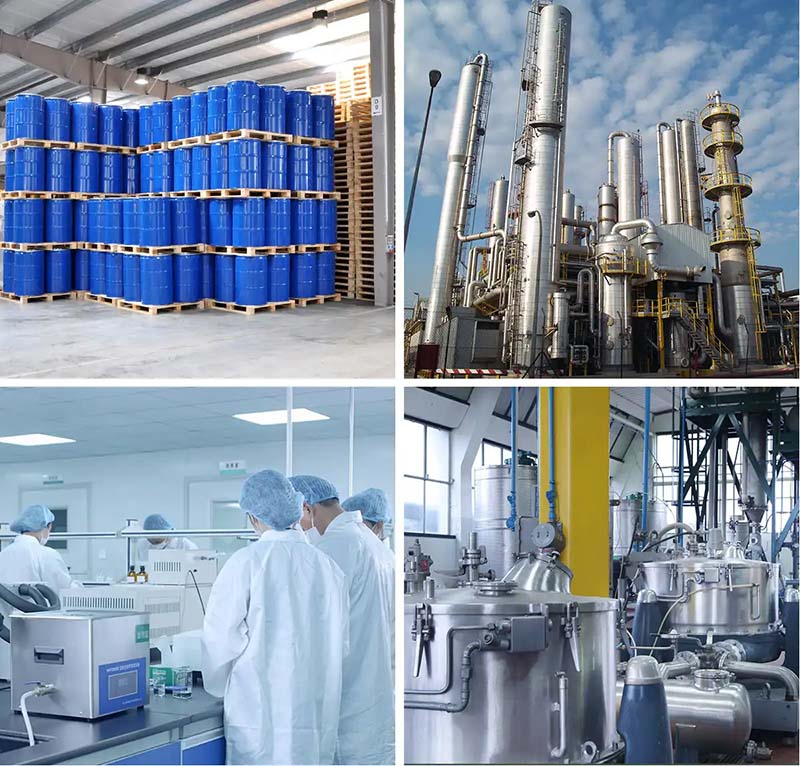
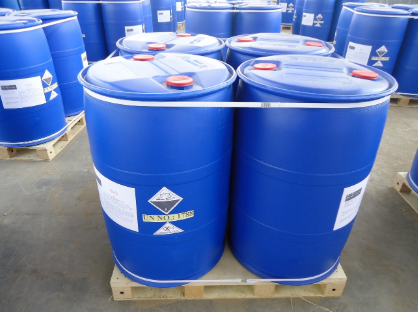
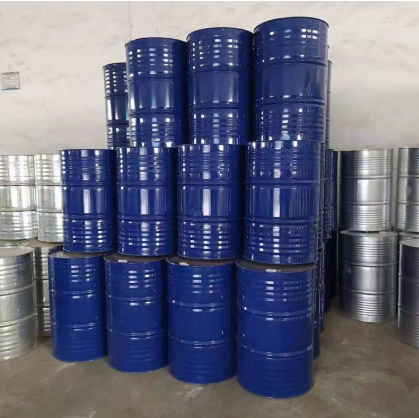
Fact Factory and Equipment Show