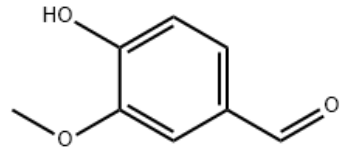
Vanillin #CAS121-33-5
Vanillin #CAS121-33-5
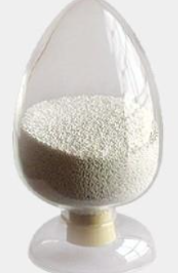
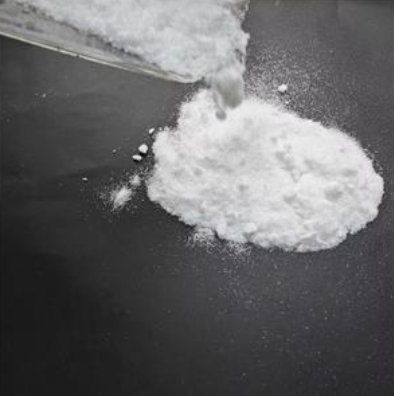
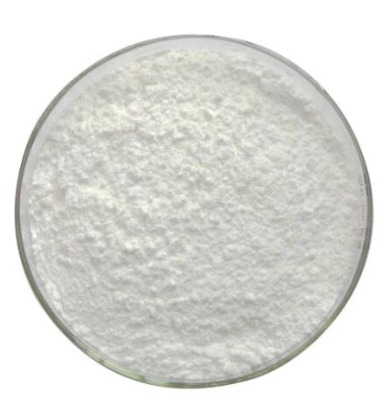
Vanillin, also known as vanilla powder, vanillin, vanilla extract, or vanilla pod, is an important flavoring agent extracted from the vanilla bean, a plant in the Rutaceae family. It is one of the most produced synthetic flavorings and a crucial ingredient in the formulation of chocolate, ice cream, chewing gum, pastries, and tobacco flavorings. It naturally occurs in vanilla bean pods, as well as in clove oil, oakmoss oil, Peru balsam, toluene balsam, and benzoin balsam. Vanillin possesses a strong and unique vanilla bean aroma, which is stable and does not readily volatilize at higher temperatures. It is susceptible to light and gradually oxidizes in air, easily changing color upon contact with alkalis or alkaline substances. Its aqueous solution reacts with ferric chloride to form a blue-violet solution. It can be used in many daily chemical flavoring formulations, but is primarily used in food flavorings. It is widely used, especially in candies, chocolates, beverages, ice cream, and alcoholic beverages, and also has applications in tobacco flavorings. The IFRA has no restrictions on its use. However, due to its tendency to cause discoloration, caution should be exercised when using it in white flavored products. Vanillin is also an important edible flavoring agent, used as a base flavoring in almost all flavor profiles. It is widely used in the food industry, particularly in bread, butter, ice cream, and brandy. In pastries and biscuits, it is added at 0.01–0.04%, and in candies at 0.02–0.08%. It is one of the most commonly used flavorings in baked goods, found in chocolate, biscuits, cakes, puddings, and ice cream. Dissolving it in warm water before use yields better results. The maximum usage is 220 mg/kg for baked goods and 970 mg/kg for chocolate. It is also widely used in cosmetic fragrances as a fixative, harmonizer, and modifier. Furthermore, it is an important flavor enhancer in beverages and food. It is also used in the manufacture of pharmaceuticals such as L-DOPA and methyldopa. Finally, it can be used as a brightening agent in nickel and chromium metal plating.
Application of Vanillin
Used as a flavor, fragrance, pharmaceutical intermediates.
2. It is to obtain the incense powder, bean fragrant spices. Often used in the fragrance foundation with. It is widely used in almost all the flavor that doubles as a combination of such as violet, Cymbidium, sunflower, Oriental flavor. And piperonal, isoeugenol benzyl ether, coumarin, musk and others are set incense, modifier and mixture, can also be used to cover up bad breath. In edible, smoke flavor as well as wide application, but the amount is larger. In vanilla bean type, cream, chocolate, too Princess flavor are need to use spices.
3. Vanillin is China's regulations allow the use of edible spices, as a fixative agent, is the preparation of the main raw material of vanilla flavor. It can also be directly used in biscuits, cakes, candy, drinks and other food flavoring. Dosage according to the normal production needs, generally in the chocolate 970mg/kg; 270mg/kg in chewing gum; 220mg/kg in pastry, biscuit; 200mg/kg in candy; 150mg/kg in condiment~95mg/kg in cold drinks.
4. GB 2760 1996 provisions allow the use of edible spices. Widely used in the preparation of vanilla, chocolate, butter flavor, the amount is up to 25%~30%, or directly used in biscuits, pastries, dosage is 0.1%~0.4%, cold drink is 0.01%~0.3%, candy is 0.2%~0.8%, especially containing dairy products.
5. An important synthetic fragrance, widely used in daily life activities. It is used as food, tobacco and wine with a fine wisely. In the food industry usage amount is large for the preparation of the vanilla, chocolate, butter flavor, the amount is up to 25-30%, directly on a cookie, cake, dosage is 0.1-0.4%, cold is 0.01-0.3%, candy is 0.2-0.8, especially is containing dairy products. It is used for chemical analysis, tests for protein nitrogen heterocyclic indene, phloroglucinol and tannic acid. In the pharmaceutical industry, it is used for production of antihypertensive drug methyldopa, catechols L-dopa medication, and Catalin and diaveridine.
6. Used as a reagent in organic analysis standard.
7. Tests for protein, nitrogen heterocyclic indene, pyrogallol, tannic acid, iron ions. from benzoic acid in the determination of chloride, spices, organic trace analysis determination of methoxy standard.Vanillin Chemical Properties Melting point 81-83 °C(lit.) Boiling point 170 °C15 mm Hg(lit.) density 1.06 bulk density 600kg/m3 vapor density 5.3 (vs air) vapor pressure >0.01 mm Hg ( 25 °C) refractive index 1.4850 (estimate) FEMA 3107 | VANILLIN Fp 147 °C storage temp. 2-8°C solubility methanol: 0.1 g/mL, clear pka pKa 7.396±0.004(H2O I = 0.00 t = 25.0±1.0) (Reliable) form Crystalline Powder color White to pale yellow PH 4.3 (10g/l, H2O, 20℃) Odor at 100.00 %. vanilla Odor Type vanilla biological source synthetic Water Solubility 10 g/L (25 ºC) Sensitive Air & Light Sensitive JECFA Number 889 Merck 14,9932 BRN 472792 Henry's Law Constant 1.7×10³ mol/(m3Pa) at 25℃, Brockbank (2013) Stability: Stable. May discolour on exposure to light. Moisture-sensitive. Incompatible with strong oxidizing agents, perchloric acid. Cosmetics Ingredients Functions FRAGRANCE InChI 1S/C8H8O3/c1-11-8-4-6(5-9)2-3-7(8)10/h2-5,10H,1H3 InChIKey MWOOGOJBHIARFG-UHFFFAOYSA-N SMILES COc1cc(C=O)ccc1O LogP 1.17 at 25℃ CAS DataBase Reference 121-33-5(CAS DataBase Reference) NIST Chemistry Reference Benzaldehyde, 4-hydroxy-3-methoxy-(121-33-5) EPA Substance Registry System Vanillin (121-33-5) Safety Information Hazard Codes Xi Risk Statements 22-36/37/38-36 Safety Statements 26 WGK Germany 1 RTECS YW5775000 Autoignition Temperature >400 °C TSCA TSCA listed HS Code 29124100 Storage Class 11 - Combustible Solids Hazard Classifications Eye Irrit. 2 Hazardous Substances Data 121-33-5(Hazardous Substances Data) Toxicity LD50 orally in rats, guinea pigs: 1580, 1400 mg/kg (Jenner) Fact Factory and Equipment Show