Polyvinyl Chloride (PVC) Resin #CAS9002-86-2
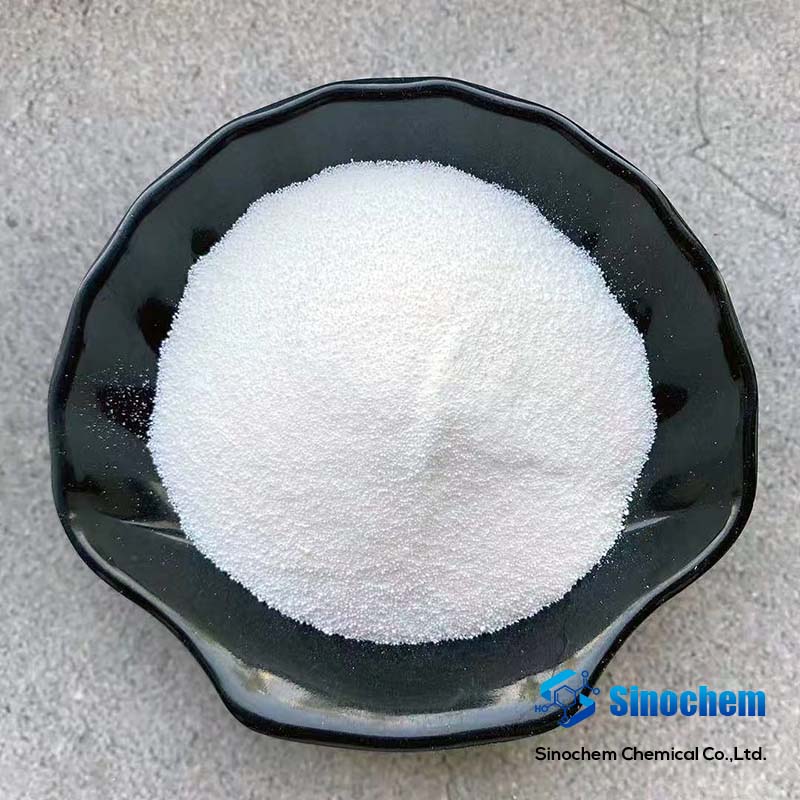
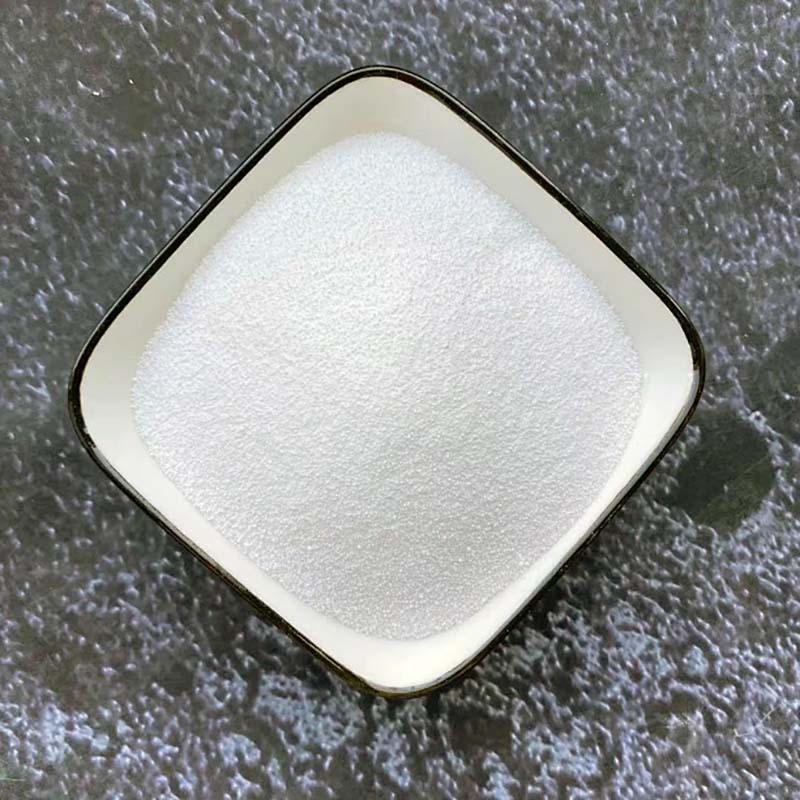
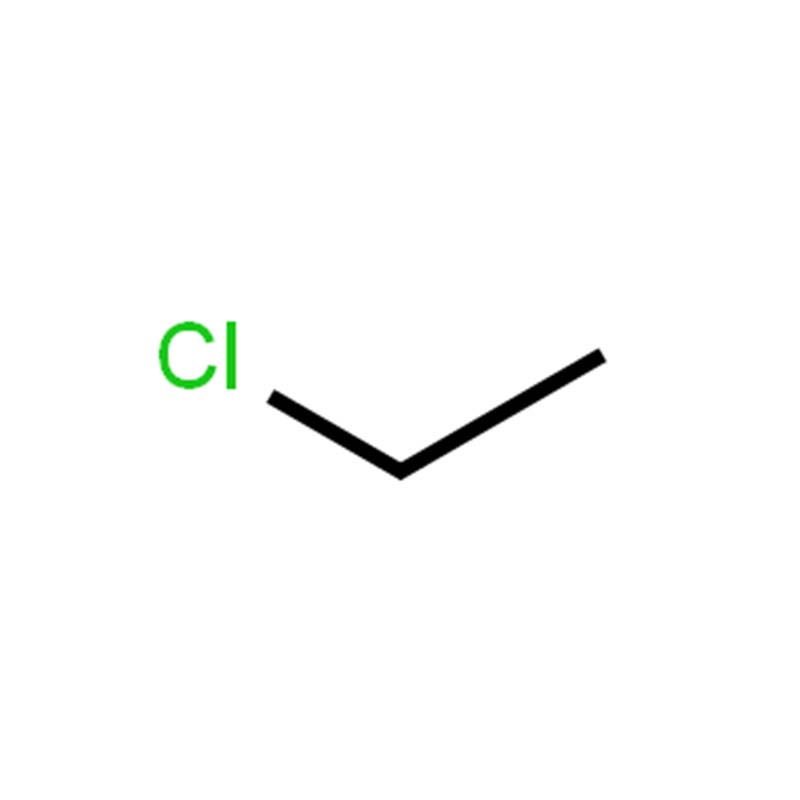
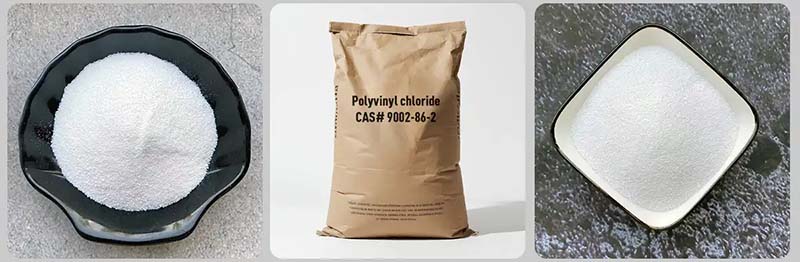
Polyvinyl Chloride (PVC) resin is a white, powdered thermoplastic polymerized from vinyl chloride monomer, with the chemical formula -(CH₂-CHCl)n- . It is one of the world's most widely produced plastics, valued for its low cost and excellent blending properties . Key characteristics include inherent flame retardancy and self-extinguishing behavior, high chemical resistance to acids and alkalis, and good mechanical strength and electrical insulation . By compounding with plasticizers, stabilizers, and other additives, its hardness can be precisely adjusted to produce a vast range of rigid products (such as pipes, profiles, and fittings) and flexible products (like wire and cable insulation, films, artificial leather, and flooring) .
1. Overview
PVC Resin is a white powder, the third most widely used plastic globally. It offers excellent chemical resistance, flame retardancy, and mechanical strength. Can be formulated into rigid or flexible products.
2. Key Features
Flame retardant (self-extinguishing)
Chemical resistant (acids, alkalis, oils)
Cost-effective with long service life (50+ years)
Versatile – suitable for extrusion, injection molding, calendering
3. Key Specifications
| Parameter | Typical Value | Explanation |
|---|---|---|
| K-Value | 57–68 | Higher K = stronger/tougher; lower K = easier flow |
| Residual VCM | ≤1 ppm (food: ≤0.5) | Carcinogen; must be low for food/medical use |
| Volatile Matter | ≤0.3–0.5% | Prevents bubbles during processing |
| Apparent Density | 0.45–0.60 g/mL | Affects hopper flow and extrusion rate |
4. Applications
| Type | Applications |
|---|---|
| Rigid (uPVC) | Pipes, window profiles, bottles, fittings |
| Flexible (plasticized) | Wire insulation, hoses, medical tubing, toys, shoe soles |
| Paste (E-PVC) | Wallpaper, artificial leather, dipped gloves |
5. Grade Comparison
| Grade | K-Value | Best For |
|---|---|---|
| Low K (57–59) | Low | Injection molding, clear bottles, thin film |
| Medium K (60–65) | Medium | Pipes, profiles, wire insulation |
| High K (66–68) | High | Flexible hoses, cable jacketing, calendered sheets |
| Paste (E-PVC) | 65–75 | Rotational molding, dipping, artificial leather |
6. Buying Guide
Injection molding → K-57–60
Pipe/profile extrusion → K-60–65
Flexible products → K-65–68
Food/medical use → Must specify food grade (low VCM, FDA certified)
7. FAQ
Q: PVC Resin vs PVC Compound?
Resin = pure powder (needs additives). Compound = ready-to-use mix.
Q: Is PVC recyclable?
Yes. Mechanical recycling is common. Recycled PVC suits non-critical uses like drainage pipes.
Q: Shelf life?
12 months in cool, dry storage (<30°C).
8. Delivery & Service
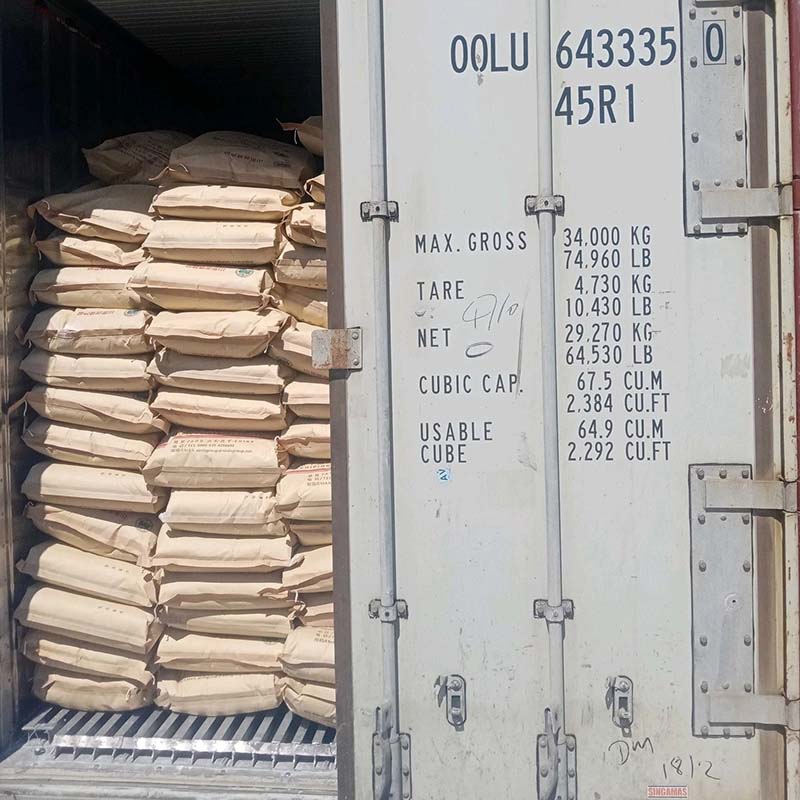
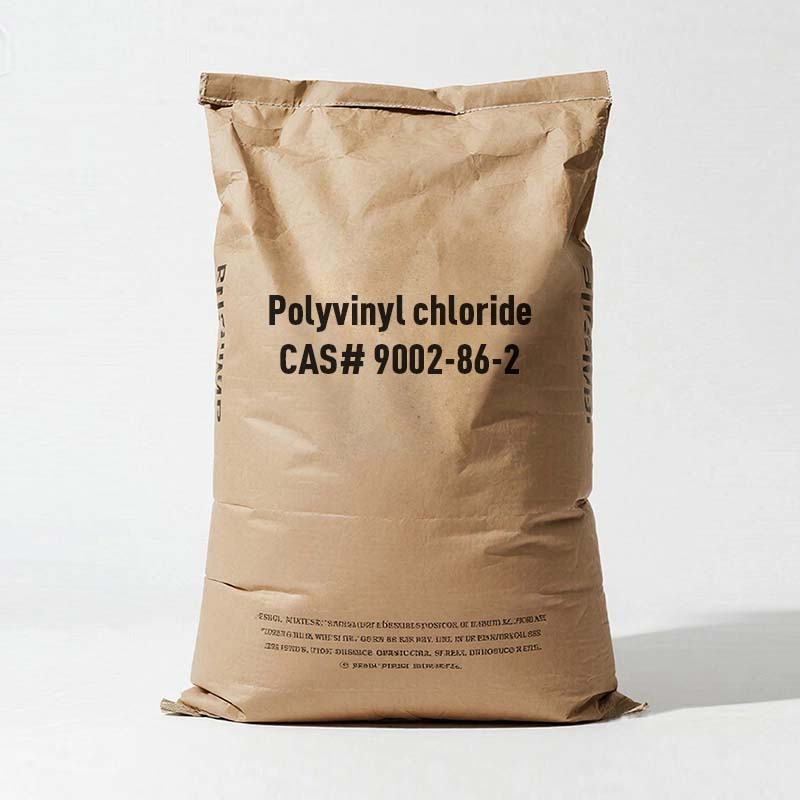
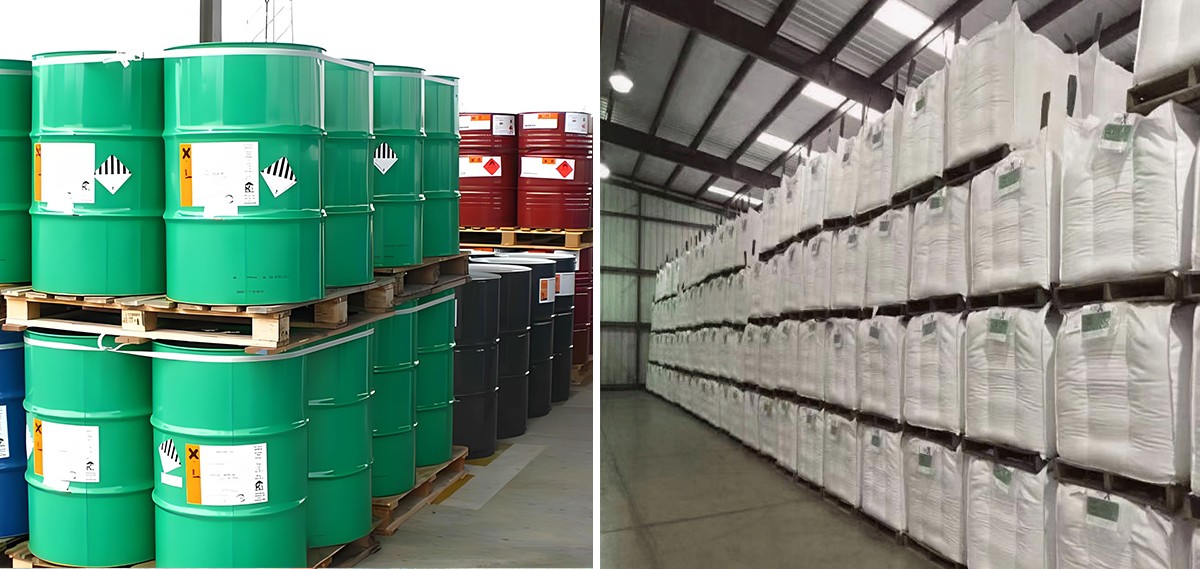
Packaging: 25kg bag, jumbo bag, or bulk truck
Lead time: 7–15 days for production
Certifications: ISO 9001, REACH, RoHS, FDA (food grade)
Docs: COA, MSDS, TDS provided
Polyvinyl chloride Chemical Properties Melting point 170-195 °C (decomp) Boiling point 0.100 °C density 1.4 g/mL at 25 °C (lit.) Tg 85 refractive index n 1.54 Fp 736 storage temp. 2-8°C form powder Specific Gravity 1.385 color White to Off-White Dielectric constant 3.4(Ambient) Stability: Stable. Combustible. Incompatible with strong oxidizing agents. Cosmetics Ingredients Functions FILM FORMING InChI InChI=1S/C2H3Cl/c1-2-3/h2H,1H2 InChIKey BZHJMEDXRYGGRV-UHFFFAOYSA-N SMILES C=CCl Surface tension 41.5mN/m at 20°C CAS DataBase Reference 9002-86-2(CAS DataBase Reference) NIST Chemistry Reference poly(vinyl chloride)(9002-86-2) IARC 3 (Vol. 19, Sup 7) 1987 EPA Substance Registry System Polyvinyl chloride (9002-86-2) Safety Information Hazard Codes Xi Risk Statements 36/37/38 Safety Statements 26-36/37-61 WGK Germany 3 RTECS KV0350000 TSCA TSCA listed HS Code 3904220000 Storage Class 11 - Combustible Solids Hazardous Substances Data 9002-86-2(Hazardous Substances Data)