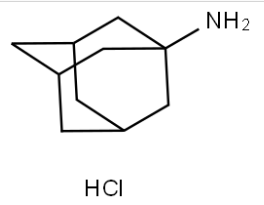
1-Adamantanamine hydrochloride #CAS665-66-7
CAS Number:665-66-7
Chemical Formula: C10H18ClN
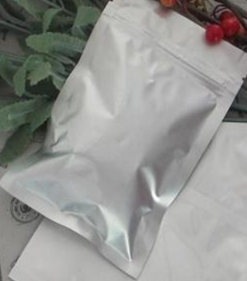
1-AdaMantanaMine hydrochloride, 99+% 100GR
1-AdaMantanaMine hydrochloride, 99+% 25GR
1-Aminoadamantane Hydrochloride Amantadine Hydrochloride
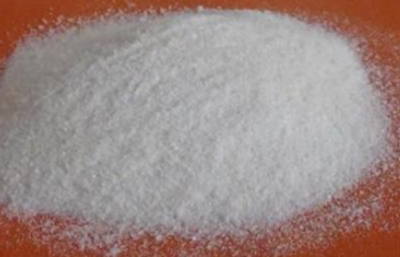
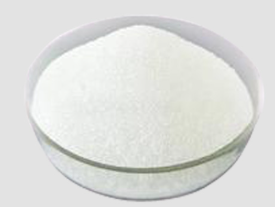
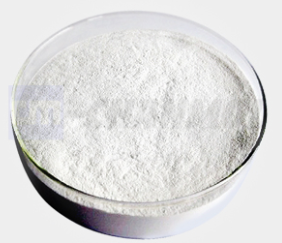
Appearance:White Fine Crystalline Powder
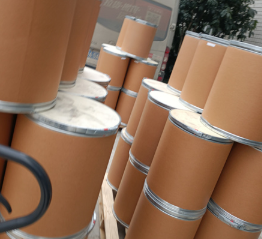
MOQ (Minimum Order Quantity): 1 FCL (Full Container Load)
1-Adamantanamine hydrochloride #CAS665-66-7
White crystalline powder. Melting point > 360℃ (decomposes). Soluble in water, slightly soluble in ethanol, extremely slightly soluble in acetone, insoluble in benzene and ether. Odorless, bitter in taste.
It is a stable primary amine salt of a highly symmetrical cycloalkyl adamantane skeleton combined with amino groups, and salted with hydrochloric acid. Its chemical properties exhibit extremely high thermal stability and antioxidant properties. Its stable three-ring non-aromatic cage-like structure is extremely difficult to degrade, ring-open, or undergo skeleton rearrangement when exposed to strong acids, strong bases, or common oxidants. Its reactivity is mainly concentrated on the protonated amino group, showing significant weak acidity in the solid state or aqueous solution, and can react with strong bases to release highly nucleophilic adamantane amine groups. This free amine can smoothly undergo acylation, alkylation, diazotization, and condensation reactions with aldehydes and ketones, and is a core highly active building block for introducing adamantane lipid-soluble groups. In addition, this substance is highly soluble in water and ethanol. Although its chemical properties are stable, it can still burn at high temperature limits and release irritating and toxic hydrogen chloride (HCl) and nitrogen oxides (NOₓ) smoke during decomposition.
While maintaining extremely high structural stability, its molecules exhibit unique steric hindrance effects and hydration characteristics. Due to its large three-ring cage-like structure, which significantly blocks the adjacent amino groups in space, its reaction rate during nucleophilic substitution reactions (such as acylation reactions with large group acyl chlorides) is significantly slower compared to ordinary primary amines. Stronger basic catalysts or higher reaction temperatures are often required to drive the reaction. In solution chemistry, this compound not only shows good water solubility, but also its non-polar lipophilic adamantane core combines with the polar protonated amino groups, enabling it to exhibit special behaviors similar to amphiphilic surfactants, which can influence the local water molecule aggregation structure through hydrophobic interactions in aqueous solutions. Moreover, this substance has almost no characteristic absorption in the ultraviolet-visible light region. In fine analysis or derivatization chemical reactions, fluorescent or chromophoric reagents (such as dithiolsulfonate chloride) are usually required to chemically derivatize the amino groups and mark them, so that they can be efficiently quantitatively analyzed using conventional optical detection instruments.
Application Of 1-Adamantanamine hydrochloride
1-Adamantanamine hydrochloride is used in the prophylactic or symptomatic treatment of influenza A. It is also used as an antiparkinsonian agent, to treat extra pyramidal reactions, and for postherpetic neuralgia. It is also used an NMDA-receptor antagoinst.
antiviral, antiparkinsonian; treatment of drug-induced extrapyrimidal reactions
selective FP prostanoid receptor agonist, F-series prostaglandin analog. 200 times as potent as Latanoprost -20oC
NMDA-receptor antagonist. Antiviral; antiparkinsonian
Parkinson’s disease (but not drug-induced extrapyramidal symptoms)
Post-herpetic neuralgia
Prophylaxis and treatment of influenza A
A widely used bulk fine chemical raw material and core pharmaceutical intermediate. In the pharmaceutical and biotechnology industries, it is the core raw material for the production of anti-Parkinson's disease drugs, compound anti-cold medicines (such as Cold-Relief Granules, Compound Paracetamol and Analgin), and broad-spectrum antiviral preparations. It is also extensively used as a key building block for fine chemical synthesis and is introduced with super strong lipid solubility and spatial steric hindrance to improve the metabolic stability and bioavailability of targeted drugs in the human body. In modern materials industry and polymer chemistry, it is widely used in the synthesis of high-performance polyimide (PI) films with high-temperature resistance and high light transmittance, special optical resins, and advanced photomasking materials. Its unique cage-like structure can significantly enhance the glass transition temperature and heat shock resistance of polymers. Moreover, due to its excellent framework stability and three-dimensional geometric symmetry, this substance is often used as a key structural directing agent (SDA, template agent) in the large-scale fine hydrothermal synthesis of industrial molecular sieve catalysts (such as SSZ-13 and other specific zeolites) for mass application.
| 1-Adamantanamine hydrochloride Chemical Properties |
| Melting point | >300 °C(lit.) |
| Boiling point | 308.63°C (rough estimate) |
| density | 1.0276 (rough estimate) |
| refractive index | 1.6100 (estimate) |
| storage temp. | Store below +30°C. |
| solubility | H2O: 50 mg/mL |
| form | Fine Crystalline Powder |
| pka | 10.71 |
| color | White |
| Water Solubility | soluble |
| Sensitive | Hygroscopic |
| Merck | 14,374 |
| BRN | 4198854 |
| Major Application | pharmaceutical (small molecule) |
| InChI | 1S/C10H17N.ClH/c11-10-4-7-1-8(5-10)3-9(2-7)6-10;/h7-9H,1-6,11H2;1H/t7-,8+,9-,10-; |
| InChIKey | WOLHOYHSEKDWQH-UHFFFAOYSA-N |
| SMILES | Cl[H].[H][C@@]12C[C@@]3([H])C[C@@]([H])(C1)CC(N)(C2)C3 |
| LogP | -1.64 at 23℃ and pH6.3 |
| CAS DataBase Reference | 665-66-7(CAS DataBase Reference) |
| EPA Substance Registry System | Amantadine hydrochloride (665-66-7) |
| Safety Information |
| Hazard Codes | Xn |
| Risk Statements | 22-40-20/21/22 |
| Safety Statements | 22-36/37-36-35-20/21 |
| RIDADR | UN 1759 8 / PGII |
| WGK Germany | 3 |
| RTECS | AU4375000 |
| TSCA | TSCA listed |
| HazardClass | IRRITANT |
| HS Code | 29213000 |
| Storage Class | 8A - Combustible corrosive hazardous materials |
| Hazard Classifications | Acute Tox. 4 Oral |
| Toxicity | LD50 orally in mice, rats: 700, 1275 mg/kg (Vernier) |
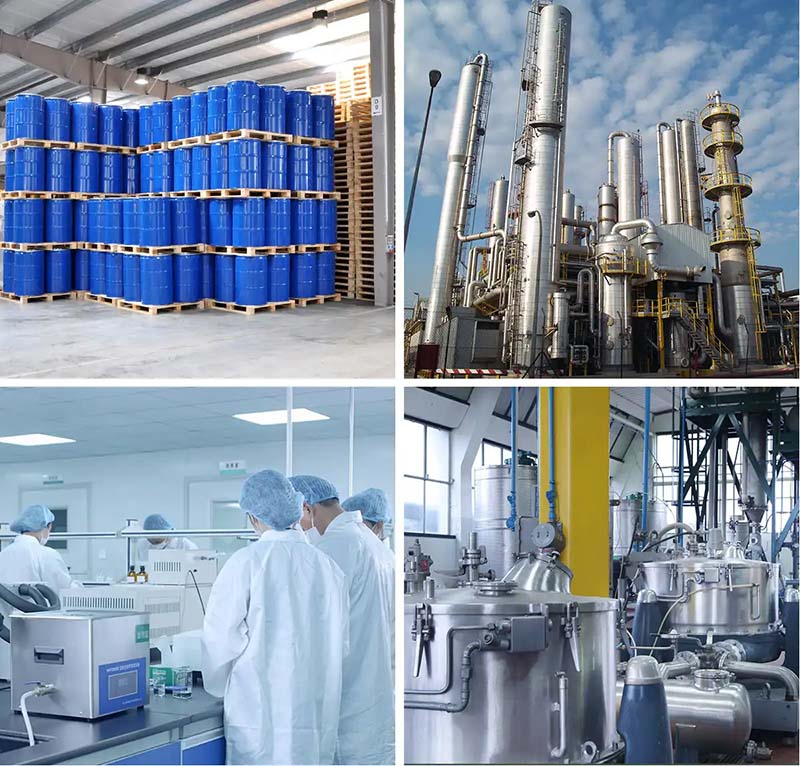
Fact Factory and Equipment Show