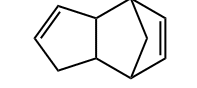
Dicyclopentadiene #CAS 77-73-6
Dicyclopentadiene #CAS77-73-6
If this chemical gets into the eyes, remove anycontact lenses at once and irrigate immediately for at least15 min, occasionally lifting upper and lower lids. Seek medical attention immediately. If this chemical contacts theskin, remove contaminated clothing and wash immediatelywith soap and water. Seek medical attention immediately. Ifthis chemical has been inhaled, remove from exposure,begin rescue breathing (using universal precautions, including resuscitation mask) if breathing has stopped and CPR ifheart action has stopped. Transfer promptly to a medicalfacility. When this chemical has been swallowed, get medical attention. Give large quantities of water and inducevomiting. Do not make an unconscious person vomit.
Undiluted dicyclopentadiene caused minor irritation when applied to the skin of rabbits, and only trace injury occurred when instilled in the eye.
Dicyclopentadiene has a camphorlike odor with a 100% recognition threshold of 0.02ppm; however, there may not be noticeable irritation below 10ppm.
The 2003 ACGIH threshold limit valuetime- weighted average (TLV-TWA) for dicyclopentadiene is 5ppm (27mg/m3).
Forms explosive mixture with air above flash point. Depolymerizes at boiling point and forms two molecules of cyclopentadiene; unless inhibited and maintained under inert atmosphere to prevent polymerization. Violent reaction with strong oxidizers; strong acids; strong bases. Can accumulate static electrical charges, and may cause ignition of its vapors
This compound is used in the manufacture of cyclopentadiene as a pesticide intermediate; in the production of ferrocene compounds; in paints, varnishes, and resin manufacture; in production of elastomers, resin systems, and polymers.
Application of Dicyclopentadiene
Color Code—Red: Flammability Hazard: Store ina flammable liquid storage area or approved cabinet awayfrom ignition sources and corrosive and reactive materials.May form peroxides in storage. Prior to working with thischemical you should be trained on its proper handling andstorage. Before entering confined space where this chemicalmay be present, check to make sure that an explosive concentration does not exist. Store in tightly closed containersin a cool, well-ventilated area away from oxidizing materials, strong acids, and strong bases. Sources of ignition, suchas smoking and open flames, are prohibited where thischemical is used, handled, or stored in a manner that couldcreate a potential fire or explosion hazard. Metal containersinvolving the transfer of=gallons or more of this chemicalshould be grounded and bonded. Drums must be equippedwith self-closing valves, pressure vacuum bungs, and flamearresters. Use only nonsparking tools and equipment, especially when opening and closing containers of thischemical.
This compound is used in the manufacture of cyclopentadiene as a pesticide intermediate; in the production of ferrocene compounds; in paints, varnishes, and resin manufacture; in production of elastomers, resin systems, and polymers
| Dicyclopentadiene Chemical Properties |
| Melting point | 33 °C(lit.) |
| Boiling point | 170 °C(lit.) |
| density | 0.986 g/mL at 25 °C(lit.) |
| vapor pressure | 3 hPa (20 °C) |
| refractive index | n |
| Fp | 114 °F |
| storage temp. | Store below +30°C. |
| solubility | Chloroform (Slightly), Methanol (Slightly) |
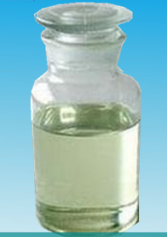
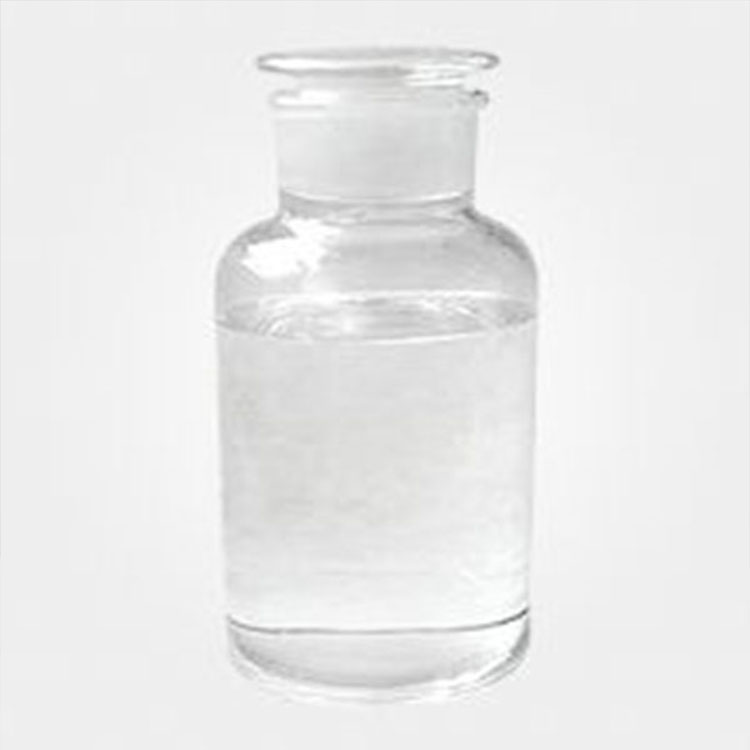
| form | Liquid |
| Specific Gravity | 0.968 |
| color | Clear |
| Odor | Camphor-like. |
| explosive limit | 0.8-6.3%(V) |
| Water Solubility | Immiscible with water. |
| FreezingPoint | 31.5℃ |
| Hydrolytic Sensitivity | 4: no reaction with water under neutral conditions |
| Merck | 14,2739 |
| BRN | 1904092 |
| Henry's Law Constant | 1.6×10⁻⁴ mol/(m3Pa) at 25℃, HSDB (2015) |
| Exposure limits | ACGIH: TWA 0.5 ppm; STEL 1 ppm NIOSH: TWA 5 ppm(30 mg/m3) |
| Dielectric constant | 2.4900000000000002 |
| Stability: | Stable at room temperature, but may form explosive peroxides if stored in contact with air. Incompatible with oxidizing agents. Decomposes on heating. Flammable. Mixtures of the vapour with air are explosive. |
| InChI | 1S/C10H12/c1-2-9-7-4-5-8(6-7)10(9)3-1/h1-2,4-5,7-10H,3,6H2/t7-,8+,9,10/m0/s1 |
| InChIKey | HECLRDQVFMWTQS-UHFFFAOYSA-N |
| SMILES | C1C=CC2C3CC(C=C3)C12 |
| LogP | 3.300 (est) |
| CAS DataBase Reference | 77-73-6(CAS DataBase Reference) |
| NIST Chemistry Reference | 4,7-Methano-1H-indene, 3a,4,7,7a-tetrahydro-(77-73-6) |
| EPA Substance Registry System | Dicyclopentadiene (77-73-6) |
| ECETOC JACC REPORT | Dicyclopentadiene (77-73-6) |
| Safety Information |
| Hazard Codes | F,Xn,N,T |
| Risk Statements | 11-20/22-36/37/38-51/53-23-22-10 |
| Safety Statements | 36/37-61-45-26 |
| OEB | A |
| OEL | TWA: 5 ppm (30 mg/m3) |
| RIDADR | UN 2048 |
| WGK Germany | 3 |
| RTECS | PC1050000 |
| Autoignition Temperature | 503 °C |
| TSCA | TSCA listed |
| HazardClass | 3 |
| PackingGroup | III |
| HS Code | 29021990 |
| Storage Class | 3 - Flammable liquids |
| Hazard Classifications | Acute Tox. 2 Inhalation Acute Tox. 4 Oral Aquatic Acute 1 Aquatic Chronic 1 Eye Irrit. 2 Flam. Liq. 3 Skin Irrit. 2 STOT SE 3 |
| Hazardous Substances Data | 77-73-6(Hazardous Substances Data) |
| Toxicity | LD50 orally in Rabbit: 353 mg/kg LD50 dermal Rabbit 4940 mg/kg |
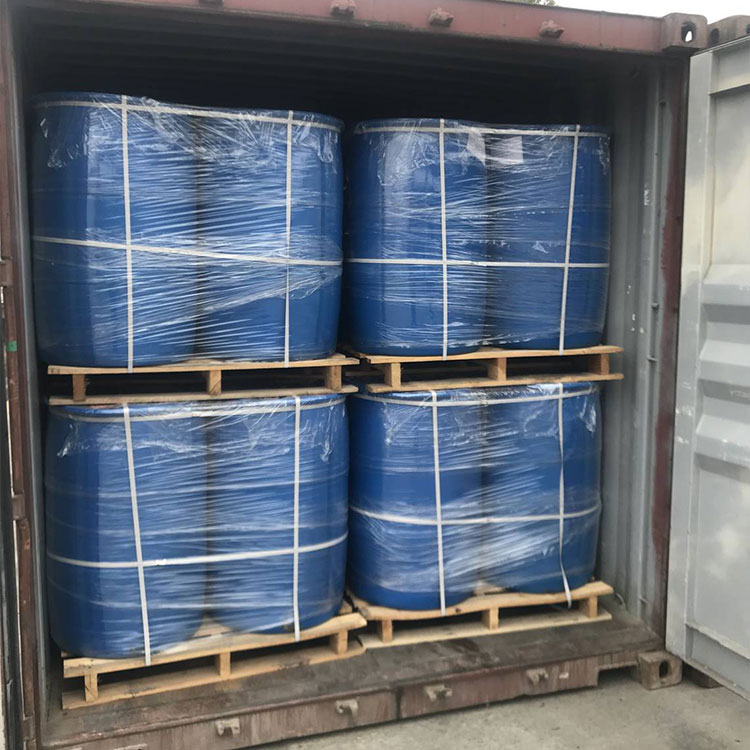
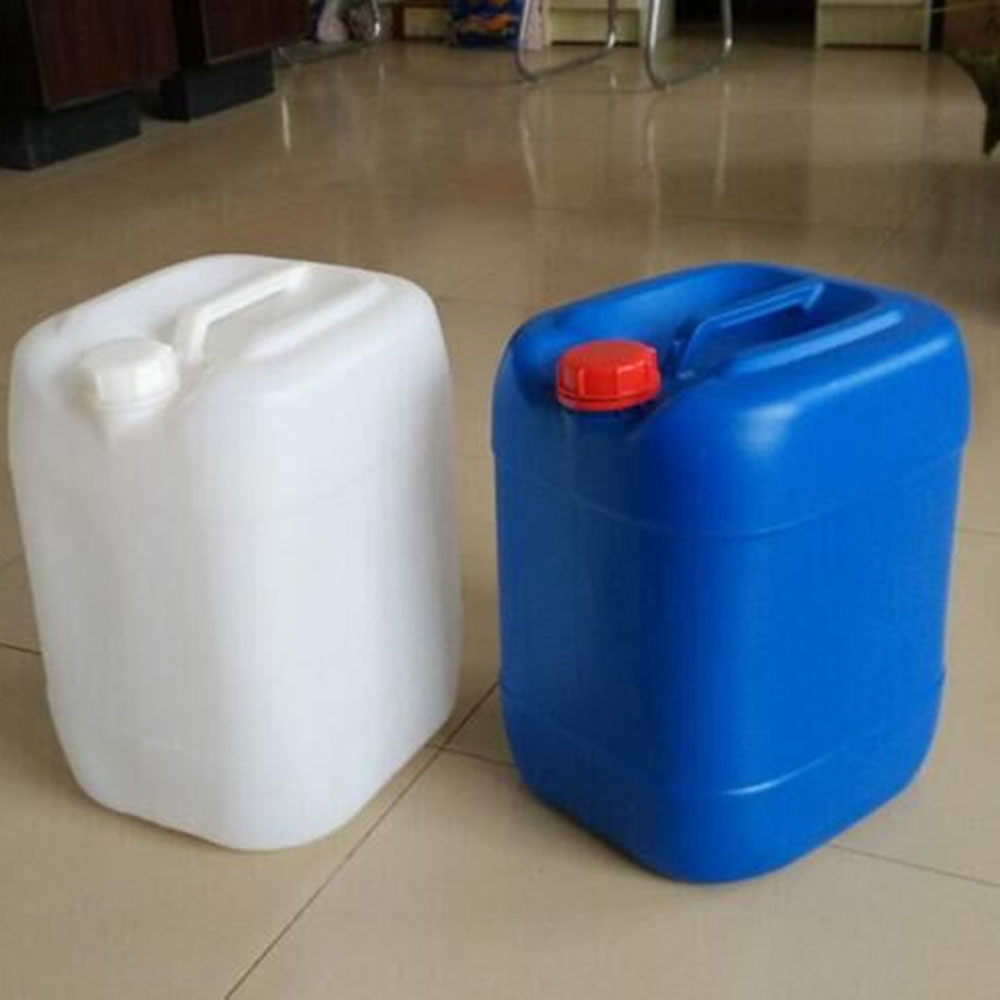
Fact Factory and Equipment Show