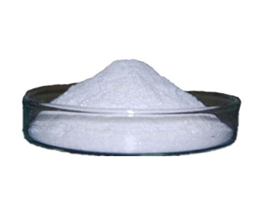
Sodium thiosulfate #CAS7772-98-7
Sodium thiosulfate is a commonly used chemical material, as the fixing agent in photography, film and printing plate-making industry, as a reducing agent used in tanning. It is used as a bleaching agent for removing residual and a mordant in the paper and textile industries, as antidotes of cyanide poisoning in medicine, as dechlorination agent and fungicides of drinking water and wastewater in water treatment, as a copper corrosion inhibitor of circulating cooling water and a deoxidizer of boiler water systems. It is also used for Cyanide wastewater treatment. Soda ash and sulfur are generally used as raw materials in industry, soda ash reacts with sulfur dioxide produced by the combustion of sulfur to produce sodium sulfite, then add sulfur for boiling reactions, and then filter, bleach, concentrate and crystallize, etc, can obtain sodium thiosulfate pentahydrate. Other production waste containing sodium sulfide, sodium sulfite, sulfur and sodium hydroxide can also be used, after appropriate treatment to get the product.
he above information is edited by Yan Yanyong of Chemicalbook.
Application of Sodium thiosulfate
1.Sodium thiosulfate is Used in manufacture of the fixing powder and preparation of the photographic industry fixer, desiccant. Used as a reducing agent of dichromate in leather tanning industry.
2. Sodium thiosulfate is an important inorganic chemical raw material. It can be used in the synthesis of pesticides Bisultap, Thiosultap disodium, CARTAP and so on.
3. Used as analytical reagents, mordant and fixer.
4. Used as new insecticides, with stomach poisoning, uptake and contact action effects, it can prevent and treat rice yellow stem borer, stem borer, leaf roller, rice thrips and vegetables, fruit pests.
5. With uptake and strong contact, stomach poisoning effects, it can prevent and treat various rice pests and vegetables, fruit pests.
6. Used as the chlorine removal agent for Pulp and cotton fabric bleached, as chelating agents, anti-oxidants in the food industry, as detergents, disinfectants in the pharmaceutical industry.
7. Used as chelating agents, antioxidants, anti-browning agent, as the dechlorination agent of chlortetracycline hydrochloride (or chlortetracycline) chilled with ice, dechlorination reaction is as follows:
More chlorine content will cause side reactions of free sulfur, so only used for very dilute concentrations of chlorine.
Used as salt chelating agent, limited content is 0.1% or less.
Sodium thiosulfate (thiosulfate) Known simply as “hypo,” an abbreviated form of the incorrect form hyposulfite, this white crystal was made by boiling calcium thiosulfate with sodium sulfate. It is soluble in water and oil of turpentine but not in alcohol. The property of sodium thiosulfate to dissolve silver halides was discovered in 1819 by Sir John Herschel and was probably first used to fix photographic images by L. J. M. Daguerre. After Daguerre published its use in his 1839 manual W. H. F. Talbot finally used it to fix calotype negatives and silver chloride prints, although he continued to stabilize them with potassium iodide and sodium chloride presumably for the variety of colors possible. Sodium thiosulfate was the primary fixing agent throughout the 19th century and is still used today.
Sodium Thiosulfate is a sequestrant, antioxidant, and formulation aid that is a powder soluble in water. it can be used in alcoholic bev- erages at 5 ppm and in table salt at 0.1%. it is also termed sodium hyposulfite.
Sodium thiosulfate is a common analytical reagent used in iodometric titration to analyze chlorine, bromine, and sulfide. Other uses are in bleaching paper pulp, bleaching straw, ivory, and bones, for removing chlorine from solutions, silver extraction from its ores, a mordant in dyeing and printing textiles, and as an antidote to cyanide poisoning.
Another major application is in photography, where it is used as a fixer to dissolve unchanged silver salts from exposed negatives.
Sodium Thiosulfate is used primarily as a medicament against cyanide poisoning, able to convert cyanide into thiocyanate, a reaction which is catalyzed by the enzyme Rhodanese. Antioxidant.
| Sodium thiosulfate Chemical Properties |
| Melting point | 48°C |
| Boiling point | 100°C |
| bulk density | 1350kg/m3 |
| density | 1.01 g/mL at 25 °C |
| storage temp. | Store at +5°C to +30°C. |
| solubility | Immiscible with alcohol. |
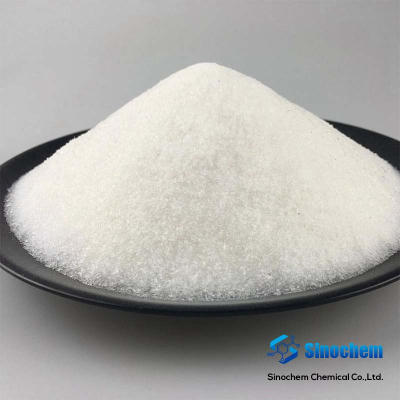
| form | Solid |
| Specific Gravity | 1.667 |
| color | White |
| PH | 6.0-8.5 (25℃, 50mg/mL in H2O) |
| Water Solubility | Soluble in water. Insoluble in alcohol. |
| Sensitive | Hygroscopic |
| Merck | 14,8694 |
| Stability: | Stable. Incompatible with strong acids, strong oxidizing agents, iodine, mercury. |
| Cosmetics Ingredients Functions | REDUCING |
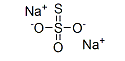
| InChI | 1S/2Na.H2O3S2/c;;1-5(2,3)4/h;;(H2,1,2,3,4)/q2*+1;/p-2 |
| InChIKey | AKHNMLFCWUSKQB-UHFFFAOYSA-L |
| SMILES | [Na+].[Na+].[O-]S([O-])(=O)=S |
| LogP | -0.428 (est) |
| CAS DataBase Reference | 7772-98-7(CAS DataBase Reference) |
| EPA Substance Registry System | Sodium thiosulfate (7772-98-7) |
| Safety Information |
| Hazard Codes | Xi |
| Risk Statements | 36/37/38 |
| Safety Statements | 24/25-23-36-26 |
| WGK Germany | 1 |
| RTECS | XN6476000 |
| F | 3 |
| TSCA | TSCA listed |
| HS Code | 28323000 |
| Storage Class | 11 - Combustible Solids |
| Hazardous Substances Data | 7772-98-7(Hazardous Substances Data) |
| Toxicity | LD50 orally in Rabbit: > 5000 mg/kg |
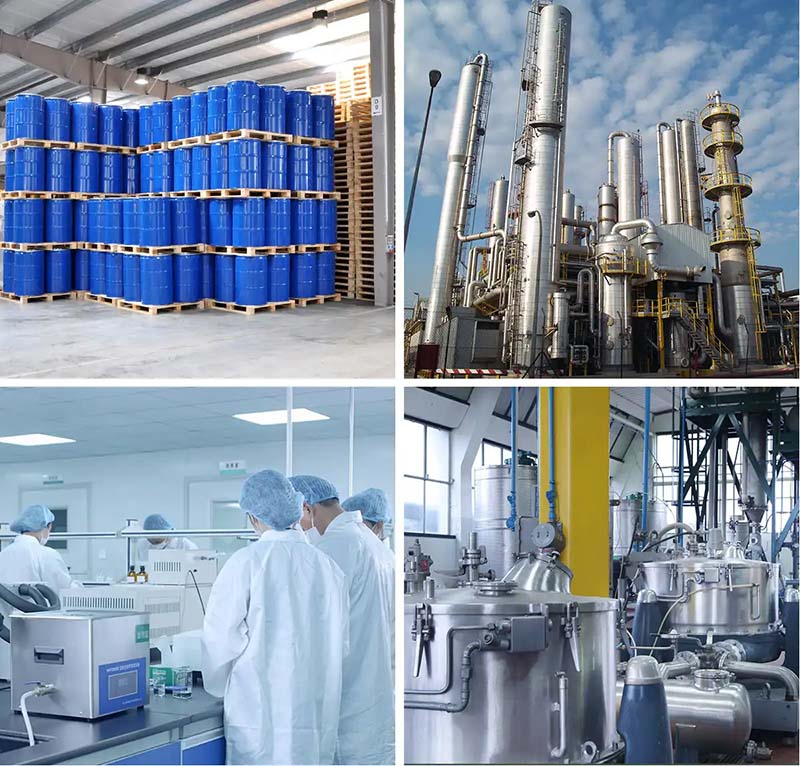
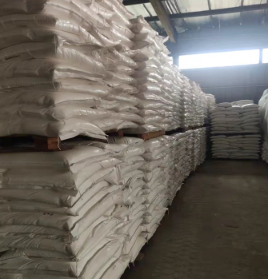
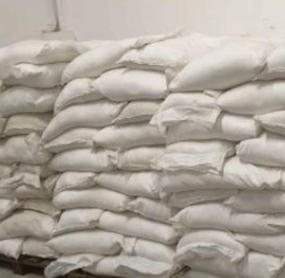
Fact Factory and Equipment Show