Potassium pyrophosphate #7320-34-5
Potassium pyrophosphate #7320-34-5
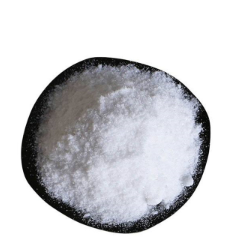
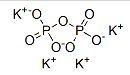
Potassium pyrophosphate, also known as tetra-sodium pyrophosphate, is made from the melting of di-potassium phosphate which causing it loss of one water molecule. At room temperature, it is as a white crystalline powder or granules and has a strong moisture absorption capability in air and is easily soluble in water but insoluble in ethanol. Its aqueous solution is alkaline and has effect on inhibition of food spoilage and fermentation. The pH of 1% aqueous solution is about 10.5. At about 25 ℃, the solubility of potassium pyrophosphate in 100g of water is 187g. It is hydrolyzed into potassium phosphate in acid or alkaline solution and can form a viscous-like slurry body when being mixed with water. It is mostly used in combination with other condensed phosphates, such as for the preparation of adhesive of ham and sausage in the ratio of 10% potassium pyrophosphate, 10% sodium pyrophosphate, 30% potassium polyphosphate, 30% sodium polyphosphate and 20% sodium metaphosphate. It is commonly used for preventing the generation of struvite in canned fish, preventing the discoloration of canned fruit, increasing the swelling degree of ice cream, the extracting amount of the raw materials of coffee as well as the yield of ham and sausage, enhancing the water holding capacity of fish, improving the taste and yield of noodles, and preventing the aging of cheese. In order to strengthen and smooth the plating layer, the formulation of industrial production of the plating solution is often very complicated. It is previously often applied to cyanide as the complexing agent cyanide for preparing plating solution. However, because of the high toxicity of CN-, it does severe harm to the health of electroplating worker. Moreover, the discharge of CN-of sewage, waste gas also seriously contaminates the environment. So it is currently mainly applied of non-cyanide plating with the complexing agent replacing cyanide being potassium pyrophosphate.
The potassium pyrophosphate has all the properties of other polymeric phosphate and is also similar with sodium pyrophosphate but with a larger solubility and being able to have chelation reaction with the metal ions in alkaline soil and heavy metal ion; It can also form complex with the Ca2 +, Mg2 + in harden water thereby softening the hard water, improving washing ability as well as removing dirt. It can also form a protective film in the surface of metals such as iron, lead, zinc, and aluminum; the pyrophosphate ion (P2O74-) has a strong dispersing capability on the fine and dispersive solids, thus promoting the homogeneous mixing of fine, trace substances. High purity, low iron-type potassium pyrophosphate has a stable pH buffering capacity with ability of long-term maintenance of pH value of the solution.
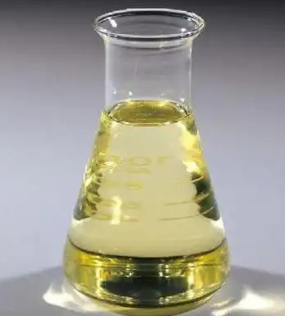
Potassium tetrapyro phosphate is a whitish-colored powdered solid dissolved in an organic solvent. Potassium pyrophosphate may be toxic by ingestion. Contact with the substance should be avoided. The solvent may be flammable.
Application of Potassium pyrophosphate
It is mainly for applied to non-cyanide electroplating for being used as the complexing agent for replacement of sodium cyanide. It is also be used as a plating pretreatment agent and pyrophosphate plating solution. It can also be used as the components for formulation of clothing detergent, metal surface cleaning agent and bottle detergent as well as the additive used in various kinds of detergents. It can also be used as the clay dispersant in the field of the ceramic industry, the dispersant and buffer for pigment and dye. Bleaching and dyeing industry can use it for the removal of the small amount of ferric ion in water for improving the quality of dyeing.
It can be used for non-cyanide electroplating, dyeing, refining clay and other.
It can be used as analysis agent, the stabilizer of hydrogen peroxide as well as the filler of soap.
It is used as an emulsifier, texturizing agent, and chelating agent in the food industry. It can also be used as the raw material for preparation of pasta-purpose alkaline water. t is commonly used for preventing the generation of struvite in canned fish, preventing the discoloration of canned fruit, increasing the swelling degree of ice cream, the extracting amount of the raw materials of coffee as well as the yield of ham and sausage, enhancing the water holding capacity of fish, improving the taste and yield of noodles, and preventing the aging of cheese.
| Potassium pyrophosphate Chemical Properties |
| Melting point | 1300 °C (lit.) |
| density | 2.33 |
| vapor pressure | 0Pa at 20℃ |
| solubility | soluble in H |
| form | Powder |
| color | White |
| Odor | Odorless |
| PH | pH (40g/l, 25℃) : 10.0~11.0 |
| PH Range | 10 |
| Water Solubility | SOLUBLE |
| Sensitive | Hygroscopic |
| Merck | 14,7663 |
| Cosmetics Ingredients Functions | CHELATING BUFFERING ORAL CARE |
| InChI | InChI=1S/4K.H4O7P2/c;;;;1-8(2,3)7-9(4,5)6/h;;;;(H2,1,2,3)(H2,4,5,6)/q4*+1;/p-4 |
| InChIKey | RYCLIXPGLDDLTM-UHFFFAOYSA-J |
| SMILES | [K+].[K+].[K+].[K+].P(OP([O-])([O-])=O)([O-])([O-])=O |
| CAS DataBase Reference | 7320-34-5(CAS DataBase Reference) |
| EPA Substance Registry System | Tetrapotassium pyrophosphate (7320-34-5) |
| Safety Information |
| Hazard Codes | Xi |
| Risk Statements | 36/37/38-36 |
| Safety Statements | 26-36-22 |
| WGK Germany | 2 |
| RTECS | JL6735000 |
| TSCA | TSCA listed |
| HS Code | 28353990 |
| Storage Class | 11 - Combustible Solids |
| Hazard Classifications | Eye Irrit. 2 |
| Toxicity | LD50 skin in rabbit: > 4640mg/kg |
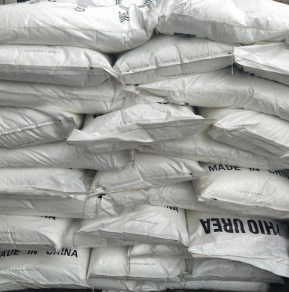
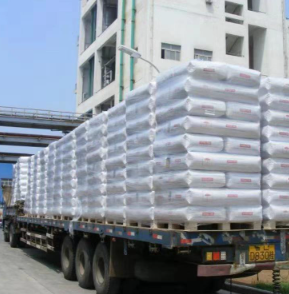
Fact Factory and Equipment Show