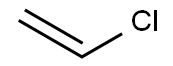
Polyvinyl chloride #CAS 9002-86-2
Polyvinyl chloride, commonly abbreviated PVC, is the thirdmost widely produced plastic, after polyethylene and polypropylene. PVC is used in construction because it is more effective than traditional materials such as copper, iron or wood in pipe and profile applications. It can be made softer and more flexible by the addition of plasticizers, the most widely used being phthalates. In this form, it is also used in clothing and upholstery, electrical cable insulation, inflatable products and many applications in which it replaces rubber.
Peroxide- or thiadiazole-cured CPE exhibits good thermal stability up to 150°C and is much more oil resistant than nonpolar elastomers such as natural rubber or EPDFM.
Commercial products are soft when the chlorine content is 28–38%. At more than 45% chlorine content, the material resembles polyvinyl chloride. Higher-molecular-weight polyethylene yields a chlorinated polyethylene that has both high viscosity and tensile strength.
PVC is a thermoplastic polymer. Its properties for PVC are usually categorized based on rigid and flexible PVCs.
Mechanical properties
PVC has high hardness and mechanical properties. The mechanical properties enhance with the molecular weight increasing, but decrease with the temperature increasing. The mechanical properties of rigid PVC (uPVC) is very good, the elastic modulus can reach to 1500-3,000 MPa. The soft PVC (Flexible PVC) elastic is 1.5- 15 MPa. However, elongation at break is up to 200% -450%. PVC friction is ordinary, the static friction factor is 0.4-0.5, the dynamic friction factor is 0.23.
Thermal properties
The heat stability of PVC is very poor, when the temperature reaches 140 °C PVC starts to decompose. Its melting temperature is 160 °C. The linear expansion coefficient of the PVC is small and has flame retardancy, the oxidation index is up to 45 or more. Therefore, the addition of a heat stabilizer during the process is necessary in order to ensure the product's properties.
Electrical properties
PVC is a polymer with good insulation properties but because of its higher polar nature the electrical insulating property is inferior to non polar polymers such as poly ethylene and poly propylene.
Application of Polyvinyl chloride
PVC's relatively low cost, biological and chemical resistance and workability have resulted in it being used for a wide variety of applications. It is used for sewerage pipes and other pipe applications where cost or vulnerability to corrosion limit the use of metal. With the addition of impact modifiers and stabilizers, it has become a popular material for window and door frames. By adding plasticizers, it can become flexible enough to be used in cabling applications as a wire insulator. It has been used in many other applications.
Pipes
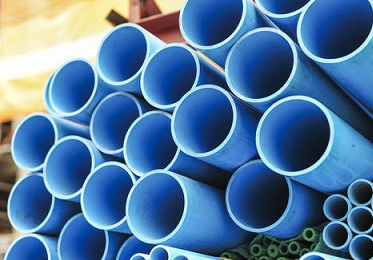
Roughly half of the world's polyvinyl chloride resin manufactured annually is used for producing pipes for municipal and industrial applications . In the water distribution market it accounts for 66 % of the market in the US, and in sanitary sewer pipe applications, it accounts for 75 % . Its light weight, low cost, and low maintenance make it attractive. However, it must be carefully installed and bedded to ensure longitudinal cracking and overbelling does not occur. Additionally, PVC pipes can be fused together using various solvent cements, or heat-fused (butt-fusion process, similar to joining HDPE pipe), creating permanent joints that are virtually impervious to leakage.
Electric cables
PVC is commonly used as the insulation on electrical cables; PVC used for this purpose needs to be plasticized.
Unplasticized polyvinyl chloride (uPVC) for construction
uPVC, also known as rigid PVC, is extensively used in the building industry as a low-maintenance material, particularly in Ireland, the United Kingdom, and in the United States. In the USA it is known as vinyl, or vinyl siding . The material comes in a range of colors and finishes, including a photo - effect wood finish, and is used as a substitute for painted wood, mostly for window frames and sills when installing double glazing in new buildings, or to replace older single-glazed windows. Other uses include fascia, and siding or weatherboarding. This material has almost entirely replaced the use of cast iron for plumbing and drainage, being used for waste pipes, drainpipes, gutters and downspouts. uPVC does not contain phthalates, since those are only added to flexible PVC, nor does it contain BPA. uPVC is known as having strong resistance against chemicals, sunlight, and oxidation from water.
Clothing and furniture
PVC has become widely used in clothing, to either create a leather-like material or at times simply for the effect of PVC. PVC clothing is common in Goth, Punk, clothing fetish and alternative fashions. PVC is cheaper than rubber, leather, and latex which it is therefore used to simulate.
Healthcare
The two main application areas for medically approved PVC compounds are flexible containers and tubing: containers used for blood and blood components for urine or for ostomy products and tubing used for blood taking and blood giving sets, catheters, heartlung bypass sets, haemodialysis set etc. In Europe the consumption of PVC for medical devices is approximately 85.000 tons every year. Almost one third of plastic based medical devices are made from PVC.
Flooring
Flexible PVC flooring is inexpensive and used in a variety of buildings covering the home, hospitals, offices, schools, etc. Complex and 3D designs are possible due to the prints that can be created which are then protected by a clear wear layer. A middle vinyl foam layer also gives a comfortable and safe feel. The smooth, tough surface of the upper wear layer prevents the build up of dirt which prevents microbes from breeding in areas that need to be kept sterile, such as hospitals and clinics.
Other applications
PVC has been used for a host of consumer products of relatively smaller volume compared to the industrial and commercial applications described above. Another of its earliest mass-market consumer applications was to make vinyl records. More recent examples include wallcovering, greenhouses, home playgrounds, foam and other toys, custom truck toppers (tarpaulins), ceiling tiles and other kinds of interior cladding.
| Polyvinyl chloride Chemical Properties |
| Melting point | 170-195 °C (decomp) |
| Boiling point | 0.100 °C |
| density | 1.4 g/mL at 25 °C (lit.) |
| Tg | 85 |
| refractive index | n 1.54 |
| Fp | 736 |
| storage temp. | 2-8°C |
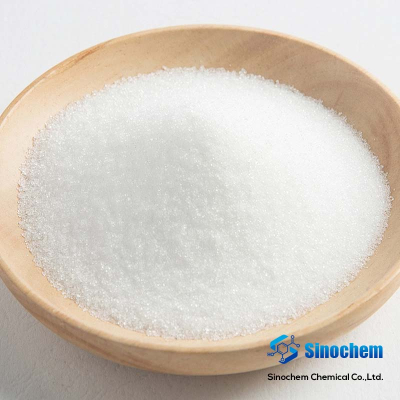
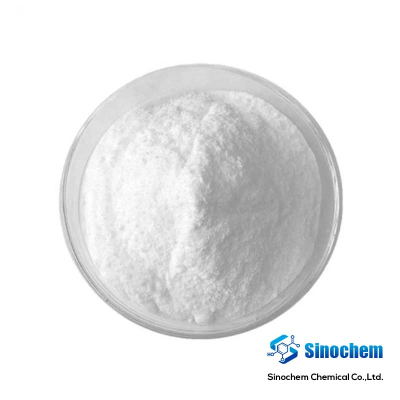
| form | powder |
| color | White to Off-White |
| Specific Gravity | 1.385 |
| Dielectric constant | 3.4(Ambient) |
| Stability: | Stable. Combustible. Incompatible with strong oxidizing agents. |
| Cosmetics Ingredients Functions | FILM FORMING |
| InChI | InChI=1S/C2H3Cl/c1-2-3/h2H,1H2 |
| InChIKey | BZHJMEDXRYGGRV-UHFFFAOYSA-N |
| SMILES | C=CCl |
| Surface tension | 41.5mN/m at 20°C |
| CAS DataBase Reference | 9002-86-2(CAS DataBase Reference) |
| IARC | 3 (Vol. 19, Sup 7) 1987 |
| NIST Chemistry Reference | poly(vinyl chloride)(9002-86-2) |
| EPA Substance Registry System | Polyvinyl chloride (9002-86-2) |
| Safety Information |
| Hazard Codes | Xi |
| Risk Statements | 36/37/38 |
| Safety Statements | 26-36/37-61 |
| WGK Germany | 3 |
| RTECS | KV0350000 |
| TSCA | TSCA listed |
| HS Code | 3904220000 |
| Storage Class | 11 - Combustible Solids |
| Hazardous Substances Data | 9002-86-2(Hazardous Substances Data) |
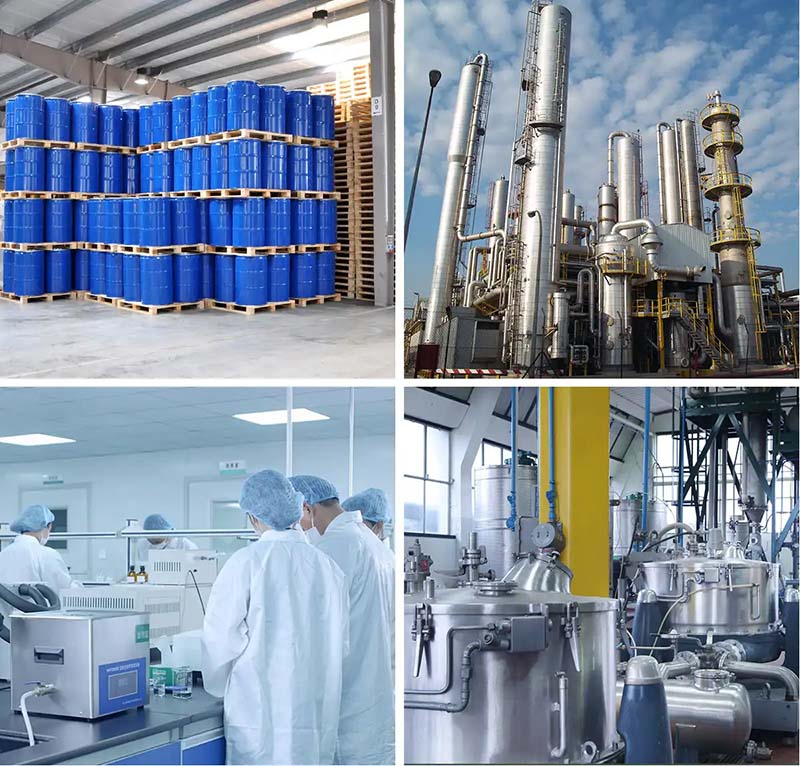
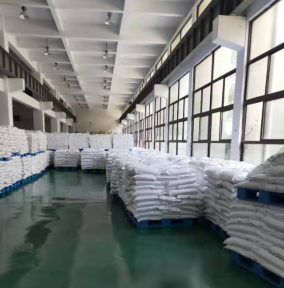
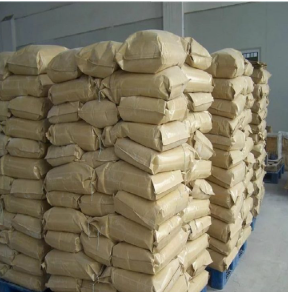
Fact Factory and Equipment Show