Polyethylene #CAS9002-88-4
Chemical and physical properties are markedly affected by increasing density, which is affected by the shape and spacing of the molecular chain. Low-density materials have highly branched and widely spaced chains, whereas high-density materials have comparatively straight and closely aligned chains. Low-density polyethylene (0.926–0.9409 g/cm3) is soluble in organic solvents at temperatures higher than 200°F. It is insoluble at room temperature. High-density polyethylene (0.041–0.965 g/cm3) is hydrophobic, permeable to gas, and has high electrical resistivity.
Low molecular weight polyethylenes have excellent electrical resistance and resistance to water and to most chemicals. Medium molecular weight polymers are waxes miscible with paraffin wax, and polyethylene polymers whose molecular weights are higher than 10,000 are the familiar tough and strong resins that are flexible or stiff. By varying the catalyst and methods of polymerization, properties such as density, crystallinity, molecular weight, and polydispersity can be regulated over wide ranges. Polymers with densities ranging from approximately 0.910 to 0.925 g/cm3 are low-density polyethylenes; those with densities ranging from 0.926 to 0.940 g/cm3 are medium-density polyethylenes; and those with densities ranging from 0.941 to 0.965 g/cm3 and higher are high-density polyethylenes.
As the crystallinity or density increases, the products generally become stiffer and stronger and have a high softening temperature and high resistance to penetration by liquids and gases. At the same time, they lose some of their resistance to tear and environmental stress cracking.
High-density PE (HDPE) is a chemically pure, porous plastic implant material that can perform supportive functions. The material has good tissue biocompatibility and permits ingrowth of connective tissue with related vascularization. The material is being used more frequently in nasal surgery.
Polyethylene can be cross-linked by irradiation (electron beam, gamma, or X radiation) or by free radical catalysts such as peroxides.
Application of Polyethylene
Polyethylene (PE) is a thermoplastic polymer consisting of long hydrocarbon chains. PE is used in a number of applications including flexible film packaging produced by the blown film process. Polyethylene is used to regulate viscosity, suspension properties, and general stability in cosmetic formulations. Typical applications included specialty injection molded parts, in these fields Polyethylene has a wide range of uses:
Injection and blow molded toys, housewares and lids.
Injection molded car seats, mower parts and pails.
Injection molded, thin-walled containers and housewares.
Hot melt coating for paper, additive in cast moldings, candles, oil-based inks and hot melt adhesives.
Additive to unsaturated polyesters, epoxides and other polymers to impart the unique properties of UHMWPE. Used in industrial parts, coatings and wear surfaces at 10-40 wt. %.
Film applications having good drawdown and toughness.
Mold release additive, lubricant in rubber processing, extrusion and calendering aid for PVC and dispersing aid for color concentrates.
Bearings, gears, bushings and other moving parts.
Laboratory tubing; in making prostheses; electrical insulation; packaging materials; kitchenware; tank and pipe linings; paper coatings; textile stiffeners.
polyethylene is used to regulate viscosity, suspension properties, and general stability in cosmetic formulations. It is derived from petroleum gas or dehydration of alcohol.
| Polyethylene Chemical Properties |
| Melting point | 92 °C |
| Boiling point | 48-110 °C(Press: 9 Torr) |
| density | 0.962 g/mL at 25 °C |
| refractive index | 1.51 |
| Fp | 270 °C |
| storage temp. | -20°C |
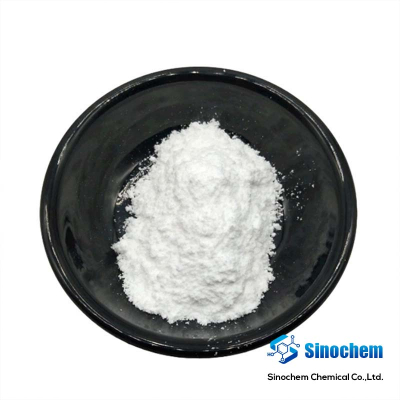
| form | powder |
| color | White |
| Specific Gravity | 0.95 |
| biological source | rabbit |
| Water Solubility | Soluble in acetone and benzene. Insoluble in water. |
| Thermal Conductivity | 0.331 W/(m·K) (low density); 0.414 W/(m·K) (medium density); 0.502 W/(m·K) (high density) |
| Merck | 14,7567 |
| Dielectric constant | 2.2(Ambient) |
| Stability: | Stable, but breaks down slowly in uv light or sunlight. Incompatible with halogens, strong oxidizing agents, benzene, petroleum ether, aromatic and chlorinated hydrocarbons, lubricating oils. |
| Cosmetics Ingredients Functions | VISCOSITY CONTROLLING FILM FORMING ABRASIVE |
| InChI | 1S/C2H4/c1-2/h1-2H2 |
| InChIKey | VGGSQFUCUMXWEO-UHFFFAOYSA-N |
| SMILES | C=C |
| Surface tension | 35.7mN/m at 20°C |
| NIST Chemistry Reference | Polyethylene(9002-88-4) |
| IARC | 3 (Vol. 19, Sup 7) 1987 |
| EPA Substance Registry System | Polyethylene (9002-88-4) |
| Safety Information |
| Safety Statements | 22-24/25 |
| WGK Germany | 3 |
| RTECS | TQ3325000 |
| TSCA | TSCA listed |
| HS Code | 39041090 |
| Storage Class | 11 - Combustible Solids |
| Hazardous Substances Data | 9002-88-4(Hazardous Substances Data) |
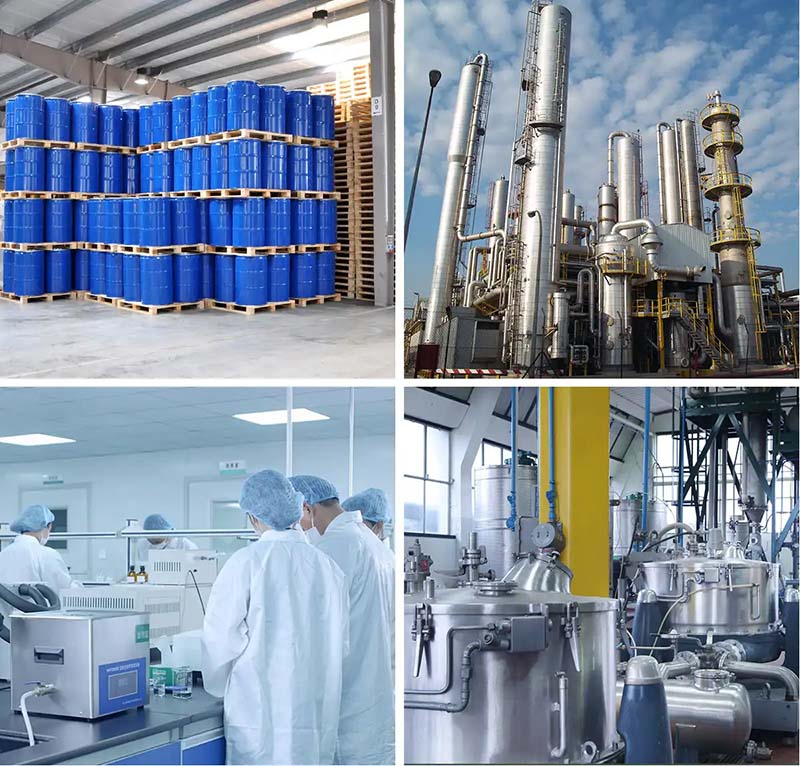
Fact Factory and Equipment Show