4-Butylresorcinol #CAS18979-61-8
4-n-Butylresorcinol is a resorcinol derivative that inhibits both tyrosinase and tyrosinase-related protein-1 (TRP-1). It may be used to decrease skin irritation and is also known to inhibit melanin production. Its hypopigmenting action was first reported in 1995, and many following studies have documented its efficacy and safety in melasma treatment with the 0.1% cream, but there is paucity of clinical studies that used the 0.3% cream. The biochemical assay on inhibition of human tyrosinase activity has revealed the superiority of 4-n-butylresorcinol over other hypopigmenting agents. Many studies show good efficacy and safety in treating melisma.
4-n-Butylresorcinol may be used to produce a safe cosmetic agent, with the clinical efficacy required of a pharmacological agent. Furthermore, 4-n-butylresorcinol acts mainly by inhibition of tyrosinase activity and has no effect on MITF. 4-n-butylresorcinol showed an additive effect in combination with hinokitiol, which reduces MITF expression.
Application of 4-Butylresorcinol
4-Butylresorcinol(18979-61-8) is considered a potential Cytochrome P450 inhibitor. It can cause hypopigmentation due to its direct inhibition of tyrosinase.
4-Butylresorcinol is considered a potential Cytochrome P450 inhibitor. It can cause hypopigmentation due to its direct inhibition of tyrosinase.
Glycerol is used both in sample preparation and gel formation for polyacrylamide gel electrophoresis. Glycerol (5-10%) increases the density of a sample so that the sample will layer at the bottom of a gel′s sample well. Glycerol is also used to aid in casting gradient gels and as a protein stabilizer and storage buffer component.
| 4-Butylresorcinol Chemical Properties |
| Melting point | 50.0 to 55.0 °C |
| Boiling point | 166°C/7mmHg(lit.) |
| density | 1.092±0.06 g/cm3(Predicted) |
| vapor pressure | 0.041Pa at 25℃ |
| storage temp. | Inert atmosphere,Room Temperature |
| solubility | DMSO : 150 mg/mL (902.42 mM) |
| pka | 9.95±0.18(Predicted) |
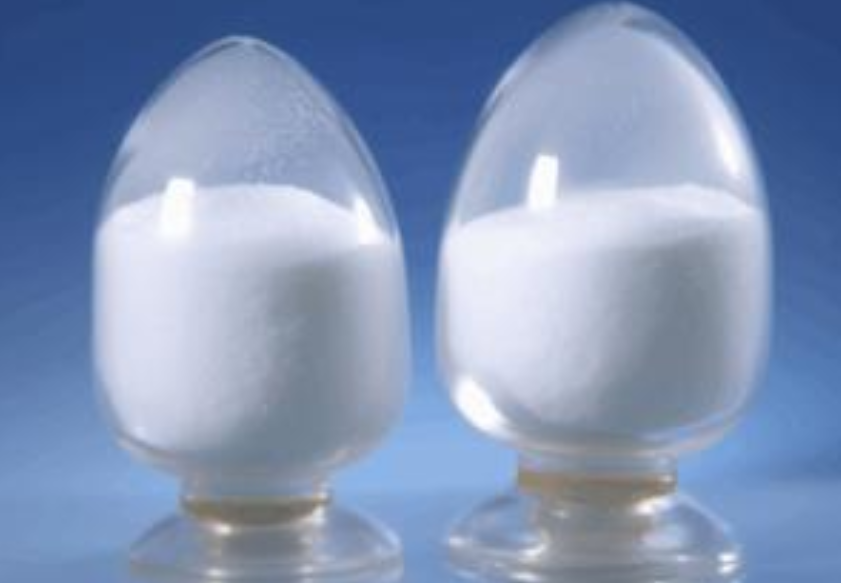
| form | Powder |
| color | white to pale yellow powder |
| Odor | Characteristic |
| Major Application | cleaning products cosmetics food and beverages personal care |
| Cosmetics Ingredients Functions | ANTIOXIDANT |
| InChI | InChI=1S/C10H14O2/c1-2-3-4-8-5-6-9(11)7-10(8)12/h5-7,11-12H,2-4H2,1H3 |
| InChIKey | CSHZYWUPJWVTMQ-UHFFFAOYSA-N |
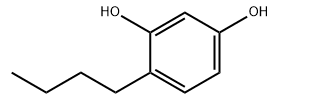
| SMILES | C1(O)=CC=C(CCCC)C(O)=C1 |
| LogP | 2.8 at 24℃ and pH7 |
| Surface tension | 17.8mN/m at 1g/L and 20℃ |
| CAS DataBase Reference | 18979-61-8(CAS DataBase Reference) |
| Safety Information |
| WGK Germany | WGK 2 |
| RTECS | VH0420000 |
| HS Code | 2907290090 |
| Storage Class | 13 - Non Combustible Solids |
| Hazard Classifications | Acute Tox. 4 Oral Aquatic Acute 1 Eye Irrit. 2 Skin Irrit. 2 |
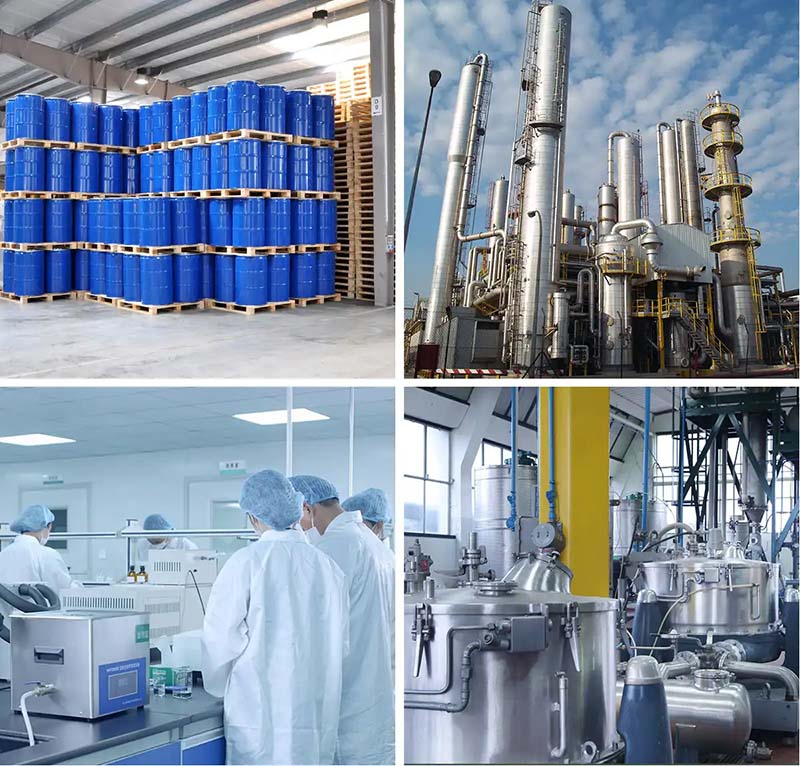
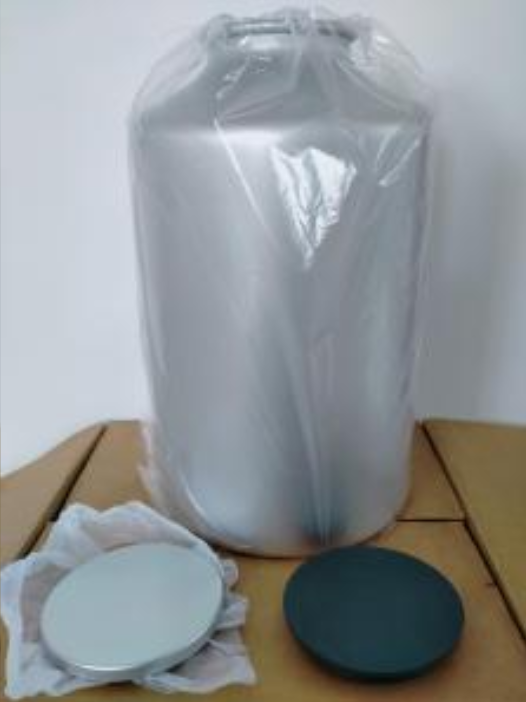
Fact Factory and Equipment Show