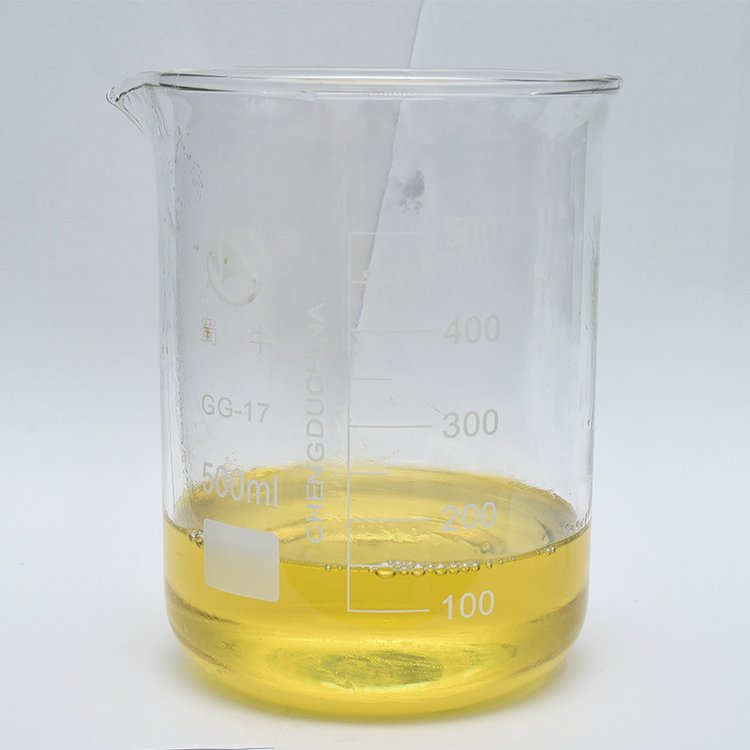
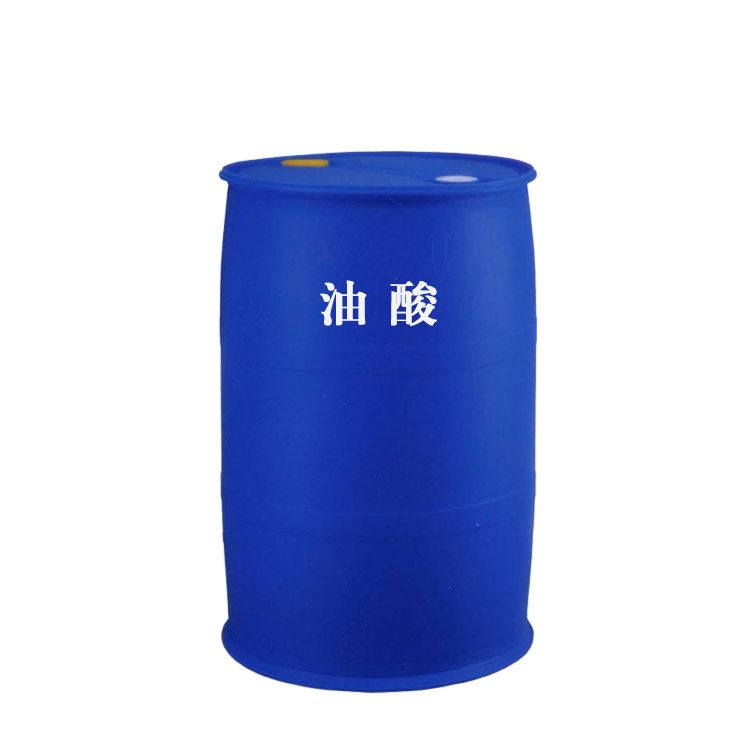
Oleic acid CAS:112-80-1
Naturally Abundant & Plant-Derived: As one of the most widespread unsaturated fatty acids in nature, it is mainly derived from vegetable raw materials including sunflower oil and olive oil, providing a renewable and biocompatible basic material.
Versatile Solubility & Emulsification: It can be fully dissolved in common organic solvents such as ethanol, ether, acetone and DMSO. With strong lipophilicity (HLB ≈ 1), it can be used efficiently as an emulsifier, lubricant and functional carrier.
Broad Application Stability: It maintains a liquid state over a wide temperature range, with a melting point of about 14°C and a boiling point of 360°C. It also shows excellent stability under proper storage at -20°C, making it adaptable to various industrial scenarios.
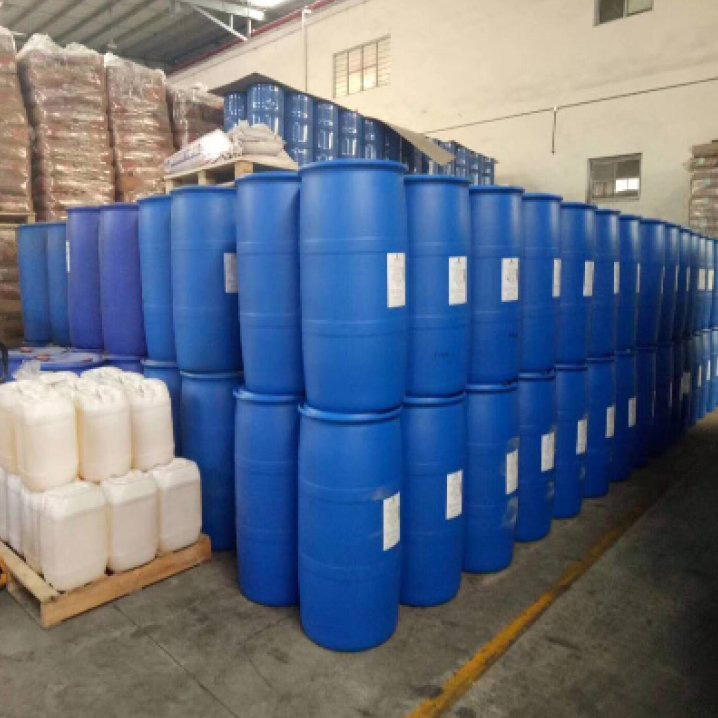
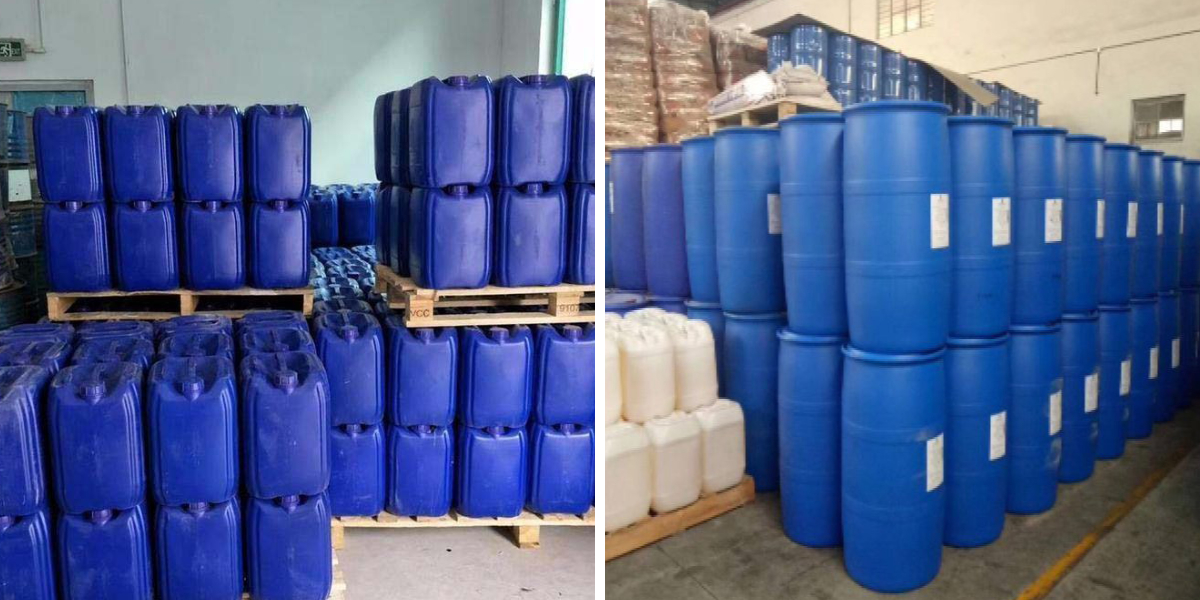
Commercially Accessible Grade: It is supplied in standard commercial grades with controlled content of saturated and other unsaturated fatty acids, and can be provided in bulk with a minimum order of one full container, ensuring stable and continuous supply for industrial production.
Basic Product Overview:
Oleic acid is a monounsaturated omega-9 fatty acid characterized by a cis-configured carbon-carbon double bond in its molecular structure. As the primary component of olein, it stands as the most ubiquitous naturally occurring unsaturated fatty acid. It is commonly isolated through the hydrolysis or saponification of animal and vegetable fats, with its chemical formula defined as $\mathrm{CH_3(CH_2)_7CH=CH(CH_2)_7COOH}$.
Natural Occurrence & Sources:
Oleic acid exists naturally in the form of glycerides in a wide range of vegetable oils (including olive oil and palm oil) as well as animal fats (such as lard), making it a major constituent of these lipid substances. Commercially supplied oleic acid typically contains 7–12% saturated fatty acids, predominantly palmitic and stearic acids, alongside trace quantities of other unsaturated fatty acids like linoleic acid.
Application of Oleic acid
Oleic acid(112-80-1), defined as a processing aid in GB 2760-96, has multiple uses. It can act as an antifoaming agent, fragrance, binder, and lubricant. It is useful for manufacturing soap, ointments, and flotation agents. It is an excellent solvent for fatty acids and oil-soluble substances. Additionally, oleic acid can be used to polish gold, silver, and other precious metals. It is also a key raw material for producing epoxidized oleic acid ester, plasticizers, and azelaic acid. Oleic acid is also used as a printing and dyeing auxiliary, industrial solvent, and in the sugar processing industry. It is a chemical reagent used for biochemical research and can activate protein kinase C in liver cells. Oleate products are important derivatives of oleic acid and it is widely used in various industries.
Parameters
| Melting point | 13-14 °C(lit.) |
| Boiling point | 360 °C |
| density | 0.89 g/mL at 25 °C(lit.) |
| vapor density | 1.03 (vs air) |
| vapor pressure | 52 mm Hg ( 37 °C) |
| refractive index | n20/D1.377 |
| FEMA | 2815 | OLEIC ACID |
| Fp | 133 °F |
| storage temp. | -20°C |
| solubility | Miscible with ethanol, ether, acetone, chloroform, dimethyl formamide and dimethyl sulfoxide. |
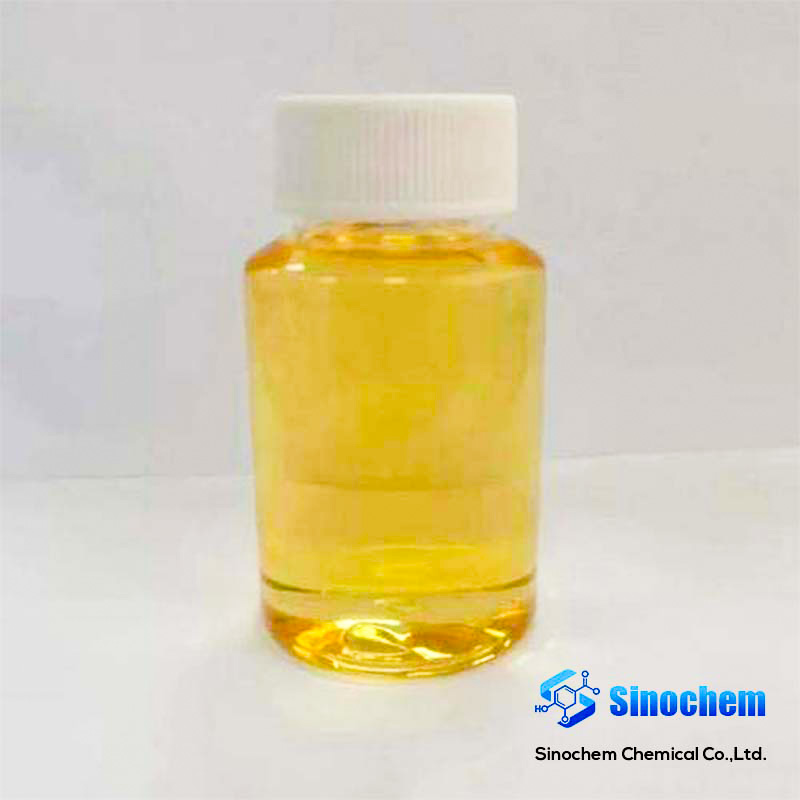
| form | Liquid |
| pka | pKa 5.35(H2O,t =25) (Uncertain) |
| Specific Gravity | 0.892 (20/4℃) |
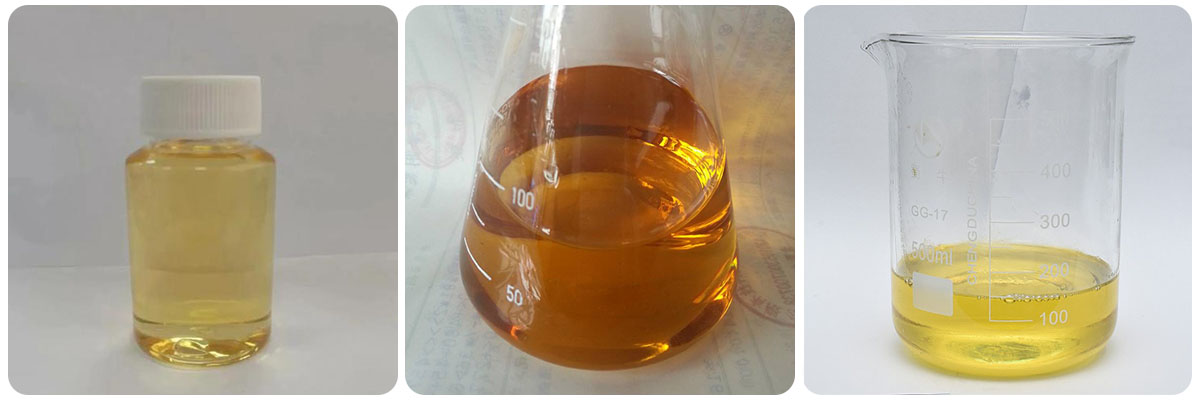
| color | Colorless to pale yellow |
| Odor | Peculiar Lard-Like |
| Odor Type | fatty |
| biological source | plant (Sunflower) |
| Water Solubility | negligible |
| Sensitive | Air Sensitive |
| Merck | 146,828 |
| JECFA Number | 333 |
| BRN | 1726542 |
| Hydrophilic-Lipophilic Balance (HLB) | 1 |
| Dielectric constant | 2.5(20℃) |
| Stability: | Stable. Combustible. Incompatible with strong oxidizing agents, aluminium. |
| InChIKey | ZQPPMHVWECSIRJ-KTKRTIGZSA-N |
| LogP | 7.698 (est) |
| CAS DataBase Reference | 112-80-1(CAS DataBase Reference) |
| NIST Chemistry Reference | 9-Octadecenoic acid (Z)-(112-80-1) |
| EPA Substance Registry System | Oleic acid (112-80-1) |
Safety information
Hazard Codes | T,Xi |
Risk Statements | 23/24/25-34-40-43-36/37/38-38 |
Safety Statements | 36/37-37/39-26-36-36/37/39 |
RIDADR | UN 1198 3/PG 3 |
WGK Germany | 2 |
RTECS | LP8925000 |
F | 10 |
Autoignition Temperature | 363°C |
TSCA | Yes |
HS Code | 29161500 |
Hazardous Substances Data | 112-80-1(Hazardous Substances Data) |
Toxicity | LD50 i.v. in mice: 230±18 mg/kg (Or, Wretlind) |