Creatine monohydrate#6020-87-7
Creatine monohydrate#6020-87-7
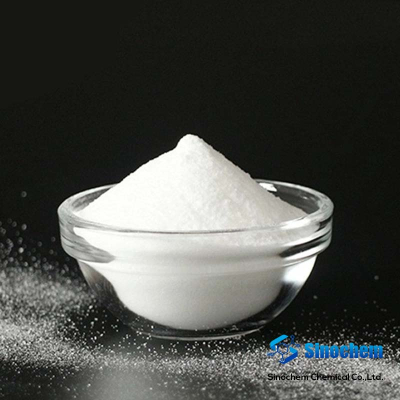
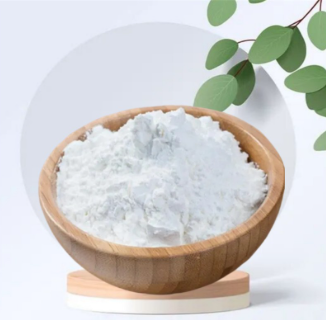
Creatine Monohydrate is the monohydrate form of creatine similar or identical to endogenous creatine produced in the liver, kidneys, and pancreas. Pure creatine is a white, tasteless,odorless powder, that is a naturally occurring metabolite found in muscle tissue.
Creatine monohydrate is an amino acid produced in the human body that plays a role in replenishing the energy supply to muscle cells.Creatine is usually produced to a purity of 99.5 percent or higher.Until recently, the primary use for creatine was as a laboratory reagent, demand for which was relatively limited.In the early 1990's, however, weight trainersand other athletes began using creatine in the belief that it stimulates muscle growth and reduces muscle fatigue.
Application OfCreatine monohydrate#6020-87-7
Creatine is a natural compound made from the amino acids l-arginine, glycine, and methionine.Creatine monohydrate is a creatine with one molecule of water connected to it. Our bodies can produce creatine, however they also can take in and store creatine found in diverse meals like meat, eggs, and fish.
Creatine monohydrate supplementation is promoted as an ergogenic aid, which refers to a product purported to enhance energy production,utilization, control, and efficiency (Mujika and Padilla,1997).Creatine is purported to increase power, strength, and muscle mass and to decrease performance time (Demant et al.,1999).
Involved with rapid ATP production primarily in skeletal muscle tissue via the action of creatine kinase(s)
Creatine monohydrate is involved in rapid ATP production primarily in skeletal muscle tissue via the action of creatine kinase(s). It may be used as a supplement to study its uptake mechanism and metabolism of action. It is used in the treatment of neuromuscular diseases.
| Creatine monohydrate Chemical Properties |
| Melting point | 292 °C (dec.)(lit.) |
| density | 0.55-0.64 g/cm3 |
| RTECS | MB7706000 |
| storage temp. | 2-8°C |
| solubility | slightly soluble in water, insoluble in ethanol and ether. |
| form | Crystalline Powder |
| color | White to yellow |
| Odor | Odorless |
| PH | 6.9 (10g/l, H2O, 20℃) |
| Water Solubility | 13 g/L (20 ºC) |
| Merck | 14,2568 |
| BRN | 907175 |
| Stability: | Hygroscopic |
| Cosmetics Ingredients Functions | SKIN CONDITIONING |
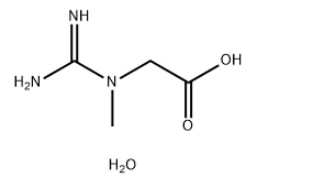
| InChI | InChI=1S/C4H9N3O2.H2O/c1-7(4(5)6)2-3(8)9;/h2H2,1H3,(H3,5,6)(H,8,9);1H2 |
| InChIKey | MEJYXFHCRXAUIL-UHFFFAOYSA-N |
| SMILES | N(C)(C(N)=N)CC(=O)O.O |
| LogP | -1.877 (est) |
| CAS DataBase Reference | 6020-87-7(CAS DataBase Reference) |
| NIST Chemistry Reference | Creatine hydrate(6020-87-7) |
| CAS Number Unlabeled | 6020-87-7 |
| Safety Information |
| Hazard Codes | Xi,Xn |
| Risk Statements | 36/37/38-20/21/22 |
| Safety Statements | 26-36 |
| WGK Germany | 1 |
| Autoignition Temperature | >800°C |
| TSCA | Yes |
| HS Code | 29252000 |
| Storage Class | 11 - Combustible Solids |
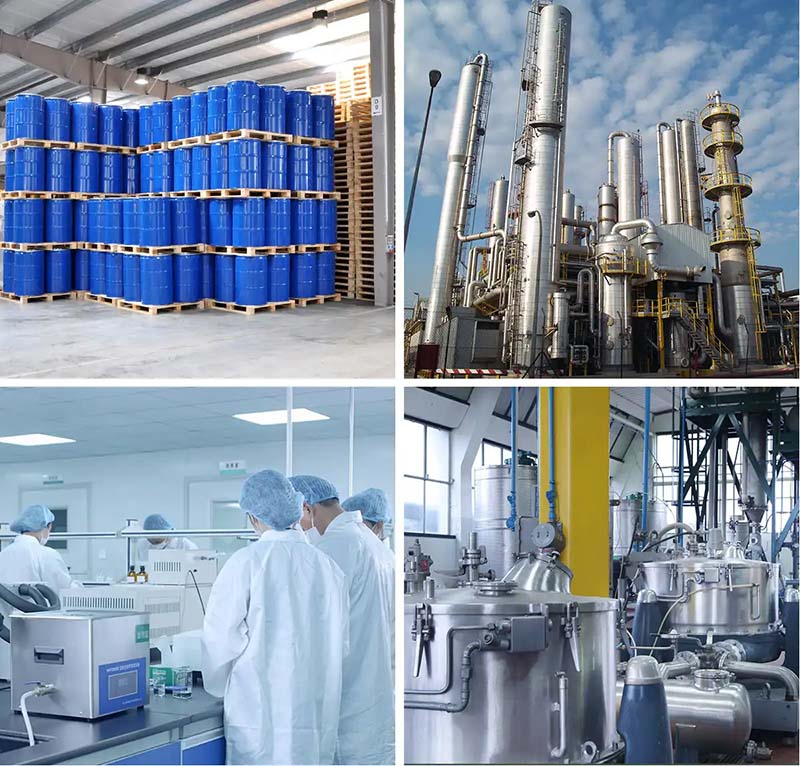
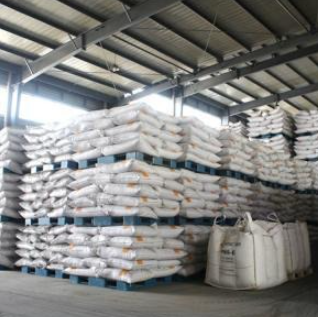
Fact Factory and Equipment Show