Product Overview
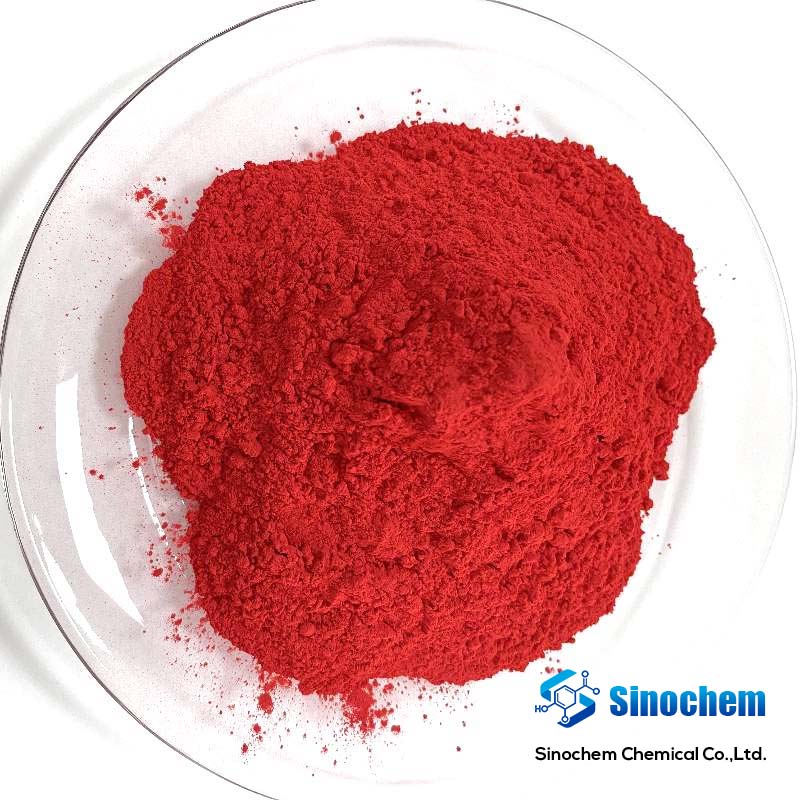
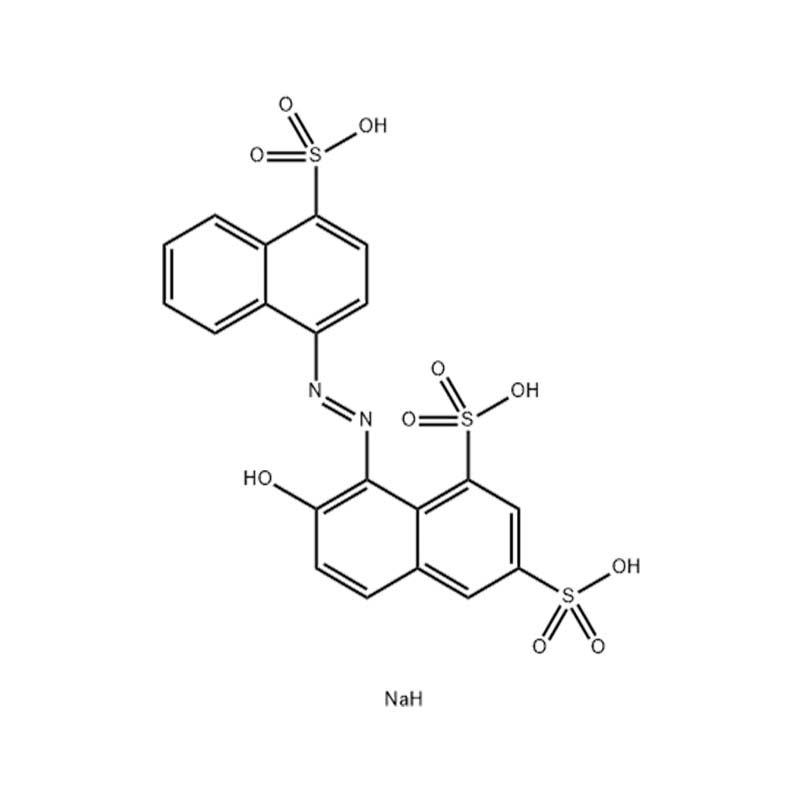
Acid Red 18, commercially known as New Coccine or Ponceau 4R, belongs to the acid dye class of synthetic azo colorants. It enjoys extensive global application, functioning as a food colorant (coded E124 in select regions, with regulatory acceptance varying), pharmaceutical excipient, cosmetic pigment, and biological stain.

Key Features
Brilliant Red Coloration
Delivers a bright, vibrant strawberry-red hue with maximum absorption at approximately 506–510 nm, providing excellent tinctorial strength and strong visual appeal.
Good Stability Profile
Exhibits favorable resistance to light, heat, and acidic conditions. Remains stable in the presence of citric acid and tartaric acid, ensuring reliable performance across a wide range of food and beverage systems.
Excellent Water Solubility
Readily dissolves in water at approximately 25 mg/mL, allowing convenient incorporation into aqueous formulations such as beverages, syrups, and liquid products.
Versatile Multi-Industry Applications
Serves as a food colorant (beverages, confectionery, dairy products), biological stain, textile dye (wool, nylon, silk), cosmetic ingredient, and in research and diagnostic applications.
Multiple Purity Grades Available
Offered in various specifications, including high-purity analytical standards (≥98%), research grades (≥85%), and technical grades for industrial uses.
Proven Research Track Record
Extensively employed in scientific investigations, including decolorization studies with fungi, genotoxicity research, and analytical method development for food additive determination.
Technical Specifications
| Parameter | Typical Value / Specification | Description & Significance |
|---|
| Molecular Formula | C₂₀H₁₁N₂Na₃O₁₀S₃ | Identifies the chemical structure as a trisodium azo dye containing three sulfonate groups. |
| Molecular Weight | 604.47 g/mol | Utilized in quantitative analysis and preparation of formulations. |
| CAS Number | 2611-82-7 | Globally unique chemical substance identifier. |
| Color Index (C.I.) No. | 16255 | Internationally standardized classification number for dyes. |
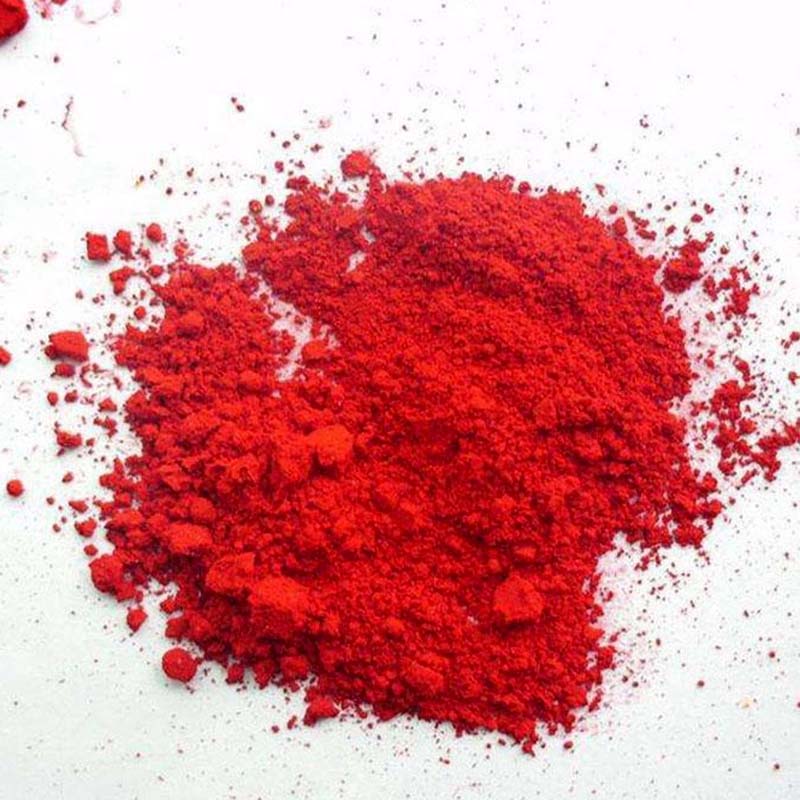
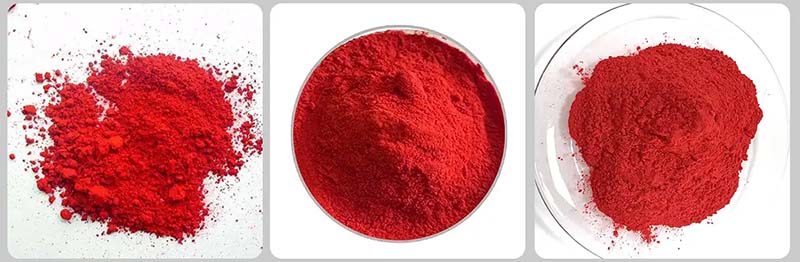
| Appearance | Red to dark red to maroon powder | Visual quality attribute; expected to be uniformly colored, without lumps or foreign matter. |
| Dye Content (Purity) | ≥80% – ≥98% (grade dependent) | Core purity indicator. Grades for pharmaceutical or analytical use require ≥98%, signifying fewer subsidiary dyes and inorganic salts. |
| Maximum Absorbance (λmax) | 506–510 nm (in 0.02M ammonium acetate solution) | Fundamental spectral characteristic used for identity confirmation and assay; corresponds to the intended red hue. |
| Melting Point | >300°C – >350°C (decomposes) | Key physical constant; demonstrates high thermal stability and undergoes decomposition rather than clear melting. |
| Solubility | Water: ~25 mg/mL (soluble)
Ethanol: Slightly soluble
DMSO: ~10 mg/mL
Organic solvents: Insoluble | Governs application suitability. Highly soluble in aqueous systems; limited solubility in ethanol and DMSO; negligible in non-polar organic solvents. |
| Subsidiary Dyes | ≤1.0% – 4.0% | Reflects the level of extraneous dye impurities; lower content ensures better color consistency. |
| Unsulphonated Aromatic Amines | ≤0.01% | Critical toxicological specification; limits potentially hazardous aromatic amine residues. |
| Loss on Drying | ≤5.0% – 10.0% | Indicates moisture and volatile content; essential for stability evaluation and accurate weighing. |
| Chlorides & Sulfates (as sodium salts) | ≤13.0% | Represents total inorganic salt residues; affects overall purity and may influence formulation behavior. |
| Heavy Metals (Pb, As, Hg) | ≤1–2 ppm each | Mandatory safety limits required to comply with food and pharmaceutical regulations. |
| LogP (Partition Coefficient) | ~6.07 | High calculated lipophilicity indicates a tendency to partition into lipid phases; nevertheless, the compound remains primarily water-soluble owing to its ionic nature. |
| Hydrogen Bond Donor/Acceptor | Donor: 1
Acceptor: 12 | Describes hydrogen-bonding capability, which influences solvation and intermolecular interactions. |
| Stability | • Stable to light, heat, and acids
• Compatible with citric acid and tartaric acid
• Poor resistance to reducing agents
• Turns brown under alkaline conditions
• Susceptible to bacterial degradation | Key application considerations. Strongly alkaline and reducing environments should be avoided to preserve color integrity. |
Delivery, Certification & Service
Delivery Capabilities
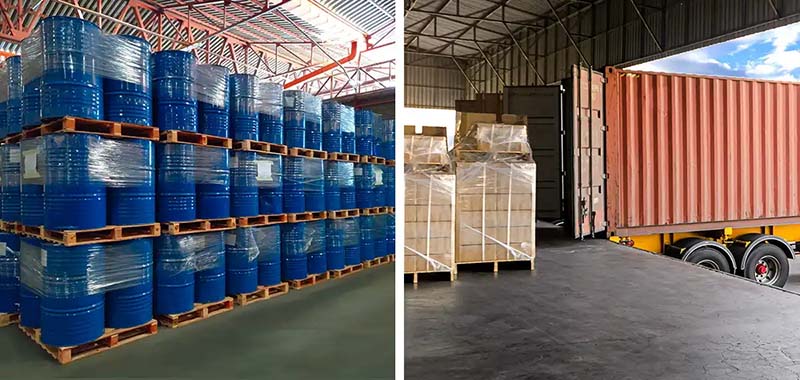
Inventory Status: Standard pack sizes are stocked in regional warehouses across the US, Europe, and Asia.
Sample Program: Small-volume samples are available for research institutions and manufacturers to support formulation testing and evaluation.
Packaging Options:
Research-scale: 100 mg, 500 mg, 1 g, 5 g, 25 g, and 100 g in bottles or vials.
Industrial-scale: 25 kg bags or drums.
Custom packaging: Provided for high-volume customers.
Shipping: The product is classified as non-hazardous and can be shipped via standard freight services, including express, less-than-truckload (LTL), and full truckload.

Delivery, Certifications & Service
Supply & Logistics
Standard pack sizes are maintained in regional warehouses across the US, Europe, and Asia to support efficient order fulfillment. Small-volume samples are made available to research institutions and manufacturers for formulation testing and evaluation purposes. Packaging is offered at multiple scales: research quantities range from 100 mg to 100 g supplied in bottles or vials, while industrial quantities are delivered in 25 kg bags or drums. Custom packaging configurations can be arranged for high-volume partners. The product is classified as non-hazardous and ships via standard freight, including express, less-than-truckload (LTL), and full truckload services.
Quality Certifications & Documentation
Each qualified batch is accompanied by a Certificate of Analysis (COA) , which documents key parameters including appearance, assay/dye content (by HPLC or UV-vis), λmax, loss on drying, and, where applicable, subsidiary dyes and heavy me tals. A Safety Data Sheet (SDS) is provided in multiple languages, and a Product Specification (PS) detailing chemical composition, physical state, purity criteria, and storage requirements is also available. A Certificate of Origin (COO) can be furnished upon request to meet customs and regulatory obligations. The complete documentation suite includes:
Certificate of Analysis (COA)
Safety Data Sheet (SDS/MSDS)
Technical Data Sheet (TDS)
Product Specification (PS)
Certificate of Origin (COO)
Technical Support & Custom Services
An application specialist team offers technical consultation covering formulation assistance, dissolution guidance, and analytical method support. For long-term partnership clients, custom purity specifications and bespoke packaging solutions are provided. Regulatory support is available in the form of documentation packages assembled to facilitate product registration in target markets.