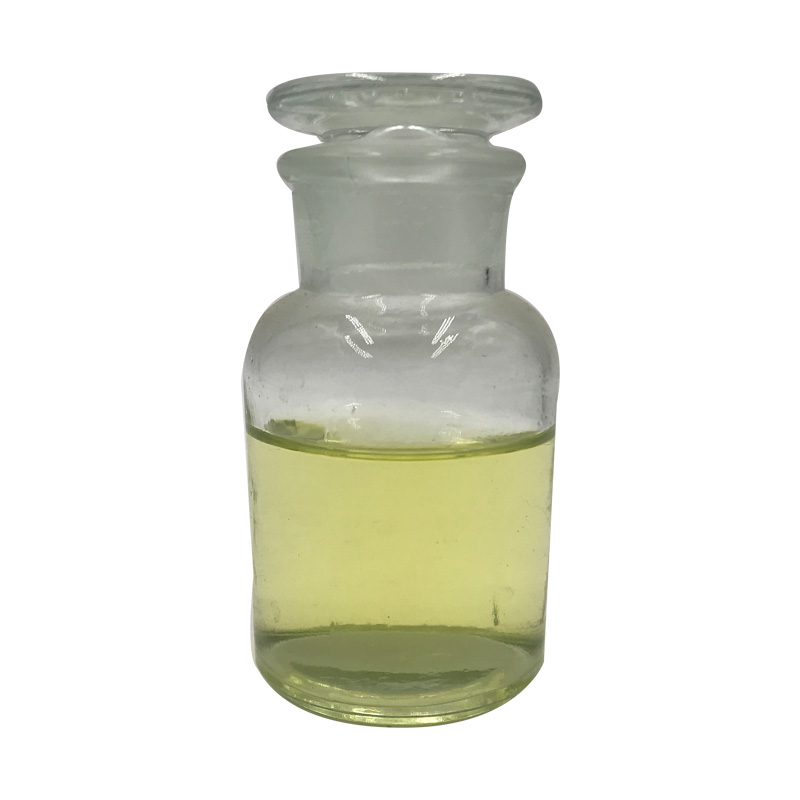
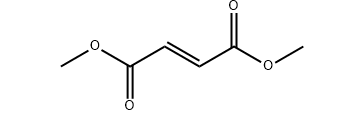
Dimethyl fumarat #CAS624-49-7:
Dimethyl fumarate[DMF] is the methyl ester of fumaric acid[1, 2]. DMF, marketed in Germany under the trade name of Fumaderm, is used for oral therapy of psoriasis in combination with other drugs[2]. Later it has been used to treat adults with relapsing multiple sclerosis[a chronic inflammatory, demyelinating and neurodegenerative disease of the CNS resulting in neurological disability] since 2013(trade name Tecfidera)[3]. DMF is thought to have immunomodulatory properties without significant immunosuppression. In preclinical studies, dimethyl fumarate exhibited anti-inflammatory and cytoprotective properties that are generally thought to be mediated via activation of the nuclear factor [erythroid-derived 2]-like 2 transcriptional pathway, which is involved in the cellular response to oxidative stress.
In a non-medical use, DMF has been used as a biocide in furniture or shoes to prevent growths of mold during storage or transport in a humid climate. However, due to incidences of allergic reactions after skin contact the European Union has banned DMF in consumer products since 1998, and since January 2009 the import of products containing DMF has also been banned[4].
Dimethyl fumarate[DMF] is mainly indicated for the treatment of the relapsing-remitting Multiple sclerosis(MS), which is a chronic inflammatory, demyelinating and neurodegenerative disease of the CNS, resulting in neurological disability[5, 6]. The disease typically begins in young adults(average age of onset &29 years) and affects twice as many women as men[7, 8]. Initially, most(80–85 %) individuals with MS have a relapsing-remitting[RRMS] disease course with defined clinical exacerbations of neurological symptoms, followed by complete or incomplete remission[7, 8]. Around 50 % of patients develop a secondary progressive MS within 10–15 years of RRMS onset and &89 % of patients develop secondary progressive MS after 25 years[9]. Globally, the estimated median incidence of MS is 2.5 per 100,000 persons and it has a median estimated prevalence of 30 per 100,000 persons[8].
Application of Dimethyl fumarat
In March 2013, the US FDA approved dimethyl fumarate for the treatment of relapsing forms of multiple sclerosis (MS). Dimethyl fumarate is the newest oral therapeutic for MS. While its mechanism is not completely understood, dimethyl fumarate increases anti-inflammatory cytokines (IL-10, IL-4, and IL-6), decreases proinflammatory cytokines (IL-1β, IL-6, and TNF-α), and activates the Nrf2 pathway to protect neuronal cells. Nrf2 is activated by covalent bond-forming electrophiles such as dimethyl fumarate, a Michael acceptor. Dimethyl fumarate has been used for the treatment of psoriasis in Europe since 1994 and has a favorable long-term safety profile. An exploratory study in patients with relapsing remitting MS showed significant reductions in MS lesions after 18 weeks of treatment with 720 mg/day of dimethyl fumarate. Evaluation of dimethyl fumarate in a mouse experimental autoimmune encephalomyelitis model of MS resulted in reduced spinal cord macrophage inflammation. Dimethyl fumarate is obtained in high purity by esterification of fumaric acid with methanol and catalytic sulfuric acid.
Fact Factory and Equipment Show