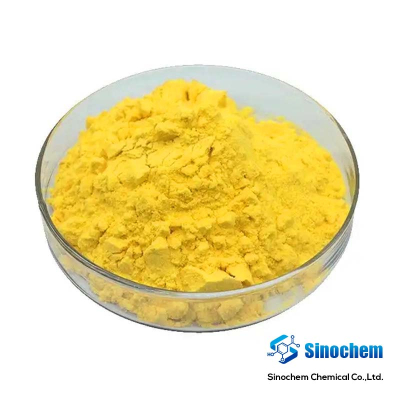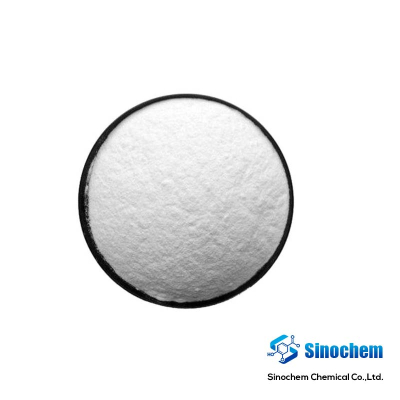
Acesulfame potassium #CAS55589-62-3
Acesulfame potassium #CAS55589-62-3
Acesulfame potassium, also known as AK sugar, is a fourth-generation synthetic sweetener with a sweetness approximately 130 times that of sucrose. It is characterized by its pleasant taste, lack of calories, and non-metabolizable, non-accumulative, and chemically stable properties.
Acesulfame potassium is stable to light and heat, has a wide pH range, and is one of the most stable sweeteners in the world. It is widely used in various foods to impart sweetness without causing a severe glycemic reaction. First discovered by Hoechst AG in Germany in 1967, it was first approved in the UK in 1983. Its sweetness is 200-250 times that of sucrose. my country established industry standards for acesulfame potassium in the late 1990s. With the continuous improvement of domestic acesulfame potassium production levels, its application in food processing has become increasingly widespread, and a significant proportion is exported.
Acesulfame potassium has the following characteristics: ① High safety. It is non-toxic, has no side effects, and is a Grade A food additive. my country approved acesulfame potassium as a food additive in 1992, and its scope of use and limits are included in GB2760-1996. ② Excellent performance. Acetylsulfame potassium has excellent water solubility, high stability to light, heat, acids, alkalis, and microorganisms, and does not absorb moisture from the air, thus exhibiting strong adaptability. ③ Pure taste. Acetylsulfame potassium provides a quick and refreshing sweetness upon tasting, and when combined with asparagine methyl ester, sorbitol, xylitol, etc., it is an ideal sweetener for sugar-free foods.
Application of Acesulfame potassium
Potassium salt as sweetener for foods, cosmetics.
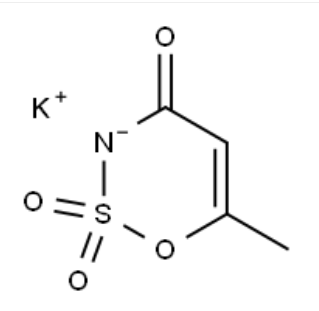
Acesulfame-K is the potassium salt of 6-methyl-l,2,3-oxathiazin-4(3H)- one-2,2-dioxide. This sweetener was discovered in Germany and was first approved by the FDA in 1988 for use as a nonnutritive sweetener. The complex chemical name of this substance led to the creation of the trademark common name, acesulfame-K, which is based on its following relationships to acetocetic acid and sulfanic acid, and to its potassium salt nature.
Acesulfame-K is 200 times as sweet as sugar and is not metabolized and is thus noncaloric. It is exceptionally stable at elevated temperatures encountered in baking, and it is also stable in acidic products, such as carbonated soft drinks. It has a synergistic effect when mixed with other low-calorie sweetners, such as aspartame. Common applications of acesulfame-K are table uses, chewing gums, beverages, foods, bakery products, confectionary, oral hygiene products, and pharmaceuticals.
| Acesulfame potassium Chemical Properties |
| Melting point | 229-232°C (dec.) |
| Boiling point | 210℃[at 101 325 Pa] |
| density | (solid) 1.81 g/cm3; d (bulk) 1.1-1.3 kg/dm3 |
| vapor pressure | 0.291Pa at 25℃ |
| storage temp. | Inert atmosphere,Room Temperature |
| solubility | Soluble in water, very slightly soluble in acetone and in ethanol (96 per cent). |
| form | Solid |
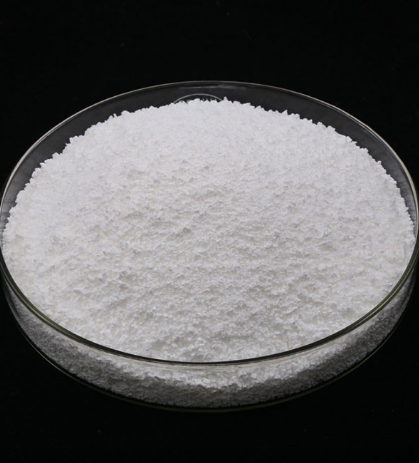
| color | White crystalline solid |
| Odor | odorless with sweet taste |
| Odor Type | odorless |
| Water Solubility | almost transparency |
| Merck | 14,37 |
| BRN | 3637857 |
| Major Application | flavors and fragrances |
| Cosmetics Ingredients Functions | FRAGRANCE |
| InChI | 1S/C4H5NO4S.K/c1-3-2-4(6)5-10(7,8)9-3;/h2H,1H3,(H,5,6);/q;+1/p-1 |
| InChIKey | WBZFUFAFFUEMEI-UHFFFAOYSA-M |
| SMILES | [K+].CC1=CC(=O)[N-]S(=O)(=O)O1 |
| LogP | -2.35 at 23℃ |
| CAS DataBase Reference | 55589-62-3(CAS DataBase Reference) |
| EPA Substance Registry System | Acesulfame-potassium (55589-62-3) |
| Safety Information |
| Risk Statements | 36/37/38 |
| Safety Statements | 26-36/37/39 |
| WGK Germany | 1 |
| RTECS | RP4489165 |
| HS Code | 2934990002 |
| Storage Class | 11 - Combustible Solids |
| Toxicity | LD50 in rats (mg/kg): 7431 orally, 2243 i.p. (Mayer, Kemper) |
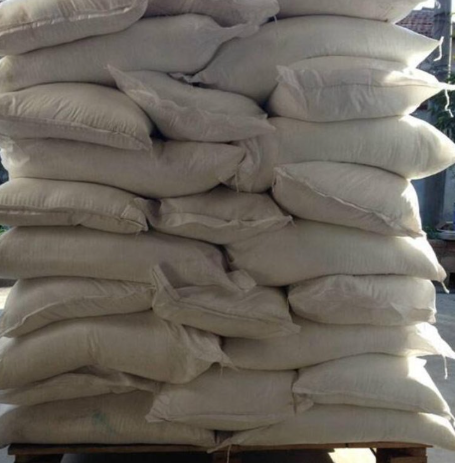
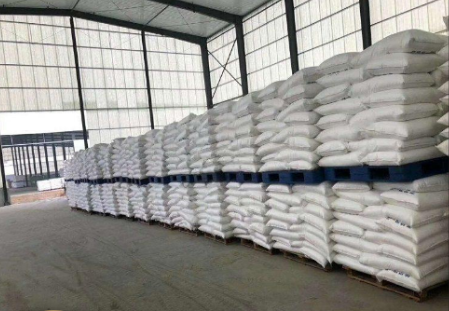
Fact Factory and Equipment Show