5-Chloroisatin #CAS17630-76-1
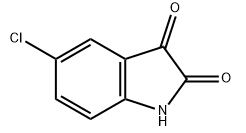
It is a chemically reactive halogen-containing indole ketone derivative. Its reactivity is mainly concentrated on the carbonyl group at C-3 of the indole ring, the amino group at N-1, and the chlorine atom at C-5. Among them, the carbonyl group at C-3 has extremely strong electrophilicity and can efficiently undergo condensation reactions with nucleophilic reagents, reacting with hydrazine, amines or hydroxylamines to form corresponding hydrazones, imines or oximes, which are the core sites for constructing various complex heterocyclic frameworks. The secondary amide structure at N-1 has weak acidity and is prone to undergo alkylation, acylation or nucleophilic substitution reactions under alkaline conditions. The chlorine atom at the 5th position of the benzene ring can not only induce and regulate the electron cloud density of the indole ring, but also participate in coupling reactions such as Suzuki and Heck under the catalysis of transition metals (such as palladium), used to expand aromatic structures. In addition, when this substance is acted upon by strong bases or oxidants, the five-membered imide ring may undergo ring-opening reactions, and when heated, it will release irritating smoke containing toxic hydrogen chloride (HCl) and nitrogen oxides (NOₓ).
Application Of 5-Chloroisatin
5-Chloroisatin is a reagent used in the synthesis of Schiff bases through the reaction with 2-methyl-4-nitroaniline or 4-amino-4,5-dihydro-1H-1,2,3-triazole-5-one.
It is a highly valuable fine chemical and pharmaceutical intermediate, widely used in the synthesis of modern pharmaceuticals, high-performance dyes, and new functional materials. In the pharmaceutical industry, it is the core functional building block for constructing cutting-edge drugs such as antiviral, anti-tumor, and small molecule kinase inhibitors. Through its active imide ring and highly reactive carbonyl group, it can be batch-produced to synthesize indole酮-type heterocyclic cores with specific biological activity. In the dye and fine special chemicals industry, it is often used to manufacture high-grade organic pigments (such as indigo derivatives), photochemically sensitive materials, and colorants for special plastics. The chlorine atoms in its molecule can effectively regulate the color light and lightfastness and weather resistance of the final product. Moreover, due to its unique electrochemical and optical response characteristics, this substance also plays an important industrial monomer role in the preparation of industrial biochemical sensors, photoelectric conversion materials, and analytical chemical reagents.
| 5-Chloroisatin Chemical Properties |
| Melting point | 254-258 °C (lit.) |
| density | 1.3743 (rough estimate) |
| refractive index | 1.5560 (estimate) |
| storage temp. | Sealed in dry,Room Temperature |
| pka | 8.65±0.20(Predicted) |
| form | Powder |
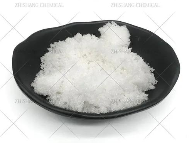
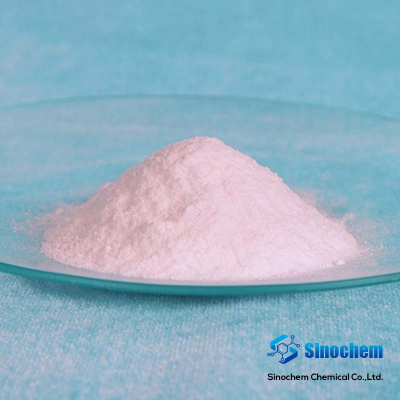
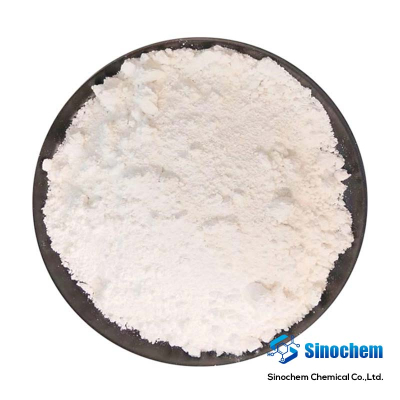
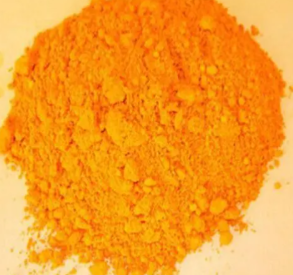
| Appearance | Yellow to orange Solid |
| Water Solubility | insoluble |
| BRN | 383759 |
| InChI | InChI=1S/C8H4ClNO2/c9-4-1-2-6-5(3-4)7(11)8(12)10-6/h1-3H,(H,10,11,12) |
| InChIKey | XHDJYQWGFIBCEP-UHFFFAOYSA-N |
| SMILES | N1C2=C(C=C(Cl)C=C2)C(=O)C1=O |
| CAS DataBase Reference | 17630-76-1(CAS DataBase Reference) |
| Safety Information |
| Hazard Codes | Xi |
| Risk Statements | 36/37/38 |
| Safety Statements | 26-36 |
| WGK Germany | 3 |
| Hazard Note | Irritant |
| HS Code | 29339900 |
| Storage Class | 11 - Combustible Solids |
| Hazard Classifications | Eye Irrit. 2 Skin Irrit. 2 STOT SE 3 |
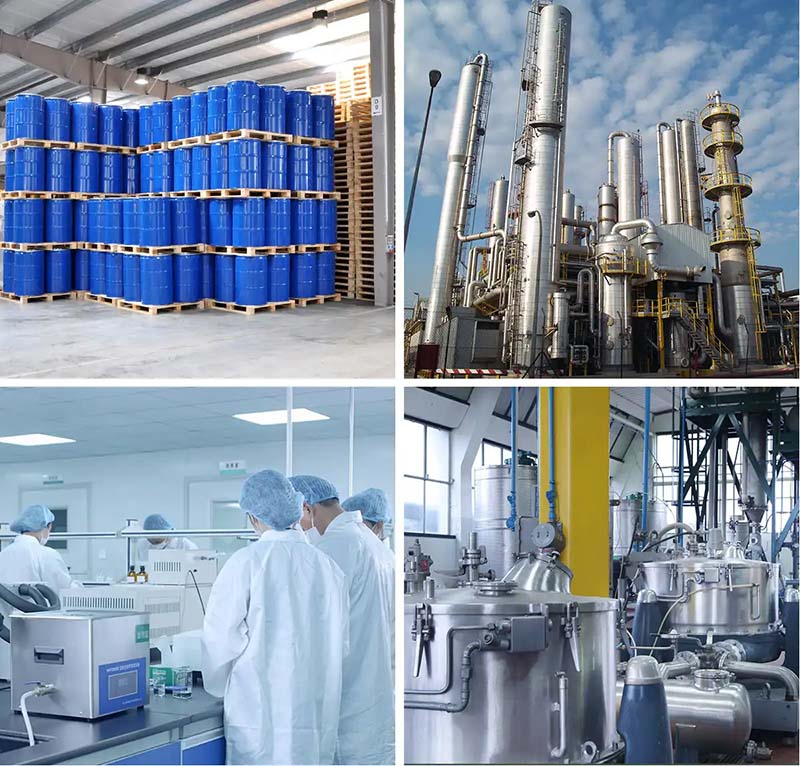
Fact Factory and Equipment Show