2-Aminophenethanol #CAS5339-85-5
2-Aminophenethanol #CAS5339-85-5
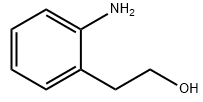
It is a dual-functional compound composed of a chemically active aromatic primary amine and a fatty primary alcohol. Due to the presence of both strong nucleophilic amino groups (-NH₂) and hydroxyl groups (-OH) in its molecule, and the perfect neighboring structure formed by them in space, it possesses extremely strong potential for intramolecular or intermolecular cyclization synthesis. Under acidic, basic, or catalytic conditions, it readily undergoes dehydration cyclization to synthesize core nitrogen-containing heterocyclic skeletons such as indole, indolizine (dihydroindole), or tetrahydroquinoline. The amino group can smoothly undergo typical acylation, alkylation, and diazotization reactions, while the fatty alcohol hydroxyl group can undergo esterification, halogenation, etherification, and selective oxidation. Due to its aniline structure, this substance is sensitive to light and air, and prolonged exposure to the air will cause the color to gradually deepen from white or light yellow due to slow self-oxidation. Additionally, this compound is flammable. When decomposed under high heat, it will release irritating and toxic nitrogen oxides (NOₓ) smoke.
At the spectral and detailed detection levels, due to the β-hydroxyl group cutting off the direct conjugation between the amino group and the alcohol hydroxyl group, this molecule possesses a unique electrochemical oxidation fingerprint pattern. On specific modified electrodes, it exhibits a stepped two-electron oxidation behavior that is highly sensitive to pH values, making it often used in the design of electrochemical sensitive materials.
Application Of 2-Aminophenethanol
It is a highly promising synthetic framework for special heterocyclic compounds and high-end pharmaceutical intermediates. In the fields of pharmaceuticals and biochemistry and chemical engineering, it serves as the core raw material for synthesizing anti-tumor drugs, antihypertensive drugs (such as indolyl derivatives), new antidepressants, and complex natural product alkaloids. It is widely used to construct multifunctional nitrogen-containing heterocyclic structures with specific pharmacological activities in large-scale and high-purity production. In modern optoelectronic materials and fine polymer industries, it utilizes its unique bifunctional structure and excellent thermal stability to be used as a key monomer for the production of high-performance polyimide (PI) resins, new organic electroluminescent (OLED) materials, and flexible modifiers for photomasking agents. Additionally, in the manufacturing of special surfactants and industrial auxiliaries, it is also commonly used as a functional monomer for synthesizing environmentally friendly corrosion inhibitors, metal surface treatment agents, and special anti-aging agents.
In the fields of fine polymers and materials chemistry, it also exhibits unique bidirectional asymmetric polycondensation activity and the ability to modify the color of dyes. Due to the presence of both highly active aromatic primary amines and non-conjugated aliphatic primary alcohols within its molecule, in the fine specialty polymer industry, it can be used as a unique asymmetric chain growth agent or molecular end-capping agent. Under mild conditions, it can gradually react with isocyanates or carboxylic anhydrides, precisely regulating the crosslinking density of the microscopic hard segments and flexible chains of polyurethane (PU) or polyimide (PI), thereby significantly enhancing the impact resistance and fatigue resistance of industrial materials. In the color modification of high-end organic pigments and industrial textile dyes, this structure can not only be used as a diazo coupling component to adjust the electronic conjugation effect of the chromophore, but also the hydroxyl groups on its side chain can significantly enhance the hydrophilic fixation rate and anti-static adsorption ability of the final commercial dye on the surface of fibers and plastics, making it a new type of special modifier that gives industrial colorants high wash resistance and high fixation coloration.
| 2-Aminophenethanol Chemical Properties |
| Melting point | 140-145 °C |
| Boiling point | 147-148 °C/3.5 mmHg (lit.) |
| density | 1.045 g/mL at 25 °C (lit.) |
| refractive index | n |
| Fp | >230 °F |
| storage temp. | under inert gas (nitrogen or Argon) at 2–8 °C |
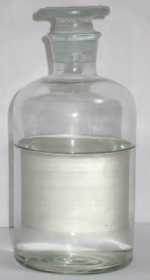
| form | clear liquid |
| pka | 14.81±0.10(Predicted) |
| color | Light yellow to Yellow to Orange |
| InChI | InChI=1S/C8H11NO/c9-8-4-2-1-3-7(8)5-6-10/h1-4,10H,5-6,9H2 |
| InChIKey | ILDXSRFKXABMHH-UHFFFAOYSA-N |
| SMILES | C1(CCO)=CC=CC=C1N |
| CAS DataBase Reference | 5339-85-5(CAS DataBase Reference) |
| NIST Chemistry Reference | Benzeneethanol, 2-amino-(5339-85-5) |
| Safety Information |
| Hazard Codes | Xi |
| Risk Statements | 36/37/38 |
| Safety Statements | 26-37/39 |
| WGK Germany | 3 |
| HS Code | 2922190090 |
| Storage Class | 11 - Combustible Solids |
| Hazard Classifications | Eye Irrit. 2 Skin Irrit. 2 STOT SE 3 |
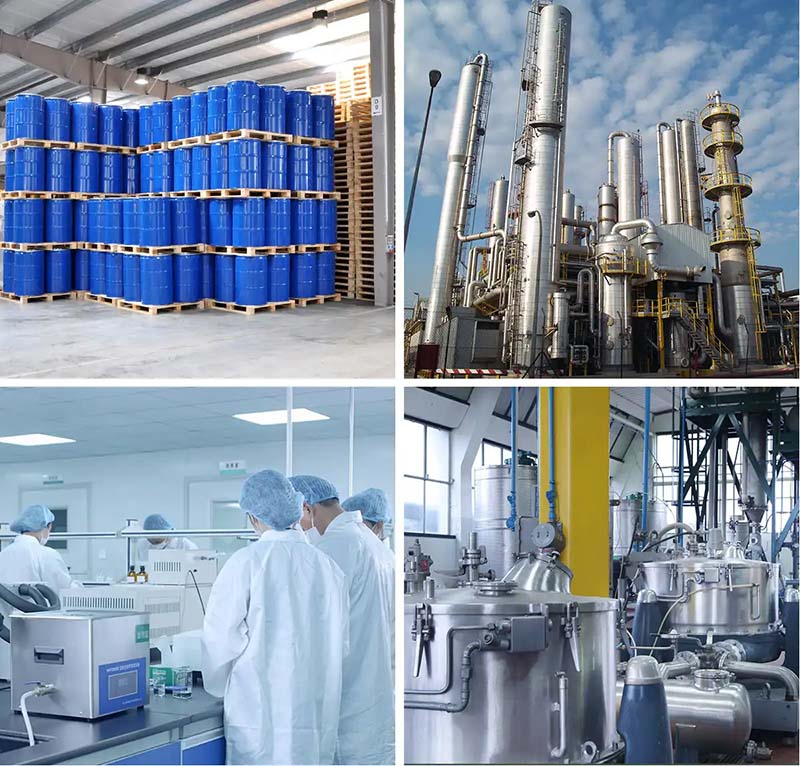
Fact Factory and Equipment Show