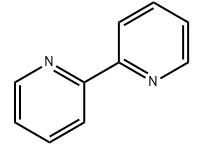

2,2'-Bipyridine #CAS366-18-7
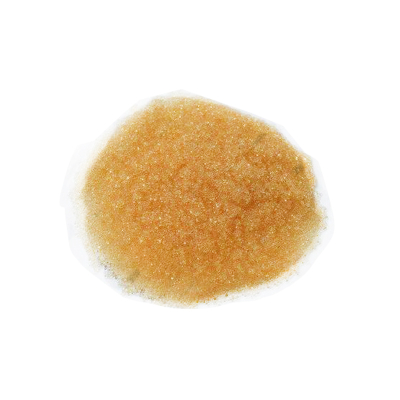
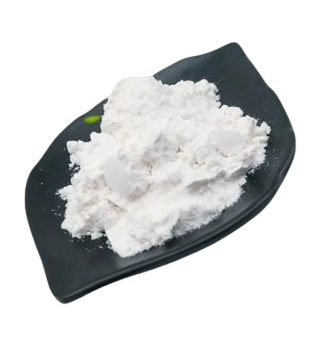
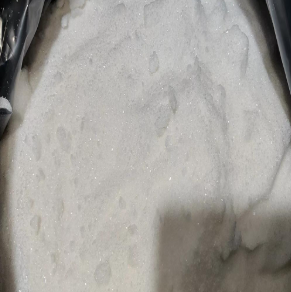
White to light red crystalline powder. Soluble in ethanol, ether, benzene, chloroform and petroleum ether, 1 part of this product is about 200 parts of water.It is a chemically stable symmetrical aromatic bicyclic dithiin heterocyclic compound. The core reactivity of this compound mainly stems from the two pyridine nitrogen atoms on the outer side, which are in ortho-positions and have strong nucleophilicity. As one of the most renowned classic bidentate ligands, it can undergo extremely strong and efficient coordination reactions with most transition metal ions such as iron, copper, ruthenium, and platinum, generating stable pentacoordinate ring complexes with specific photoelectric, magnetic, and catalytic activities (such as the famous tris-pyridine ruthenium). The pyridine ring itself belongs to an electron-deficient aromatic system and shows extremely high resistance to conventional electrophilic substitution reactions (such as nitration and halogenation). However, under the action of strong reducing agents, it can undergo selective partial hydrogenation, or undergo nucleophilic substitution at the C-6 position under the drive of strong bases and nucleophilic reagents. In addition, this substance exhibits weak basicity at room temperature and can form salts with strong inorganic acids. Its chemical framework has excellent thermal stability and antioxidant properties, but it is flammable. When heated under high temperature, it will release irritating and toxic nitrogen oxides (NOₓ) smoke.
Application Of 2,2'-Bipyridine
A high-affinity chelator of iron. A reagent used for the determination of iron.2,2'-bipyridine acts as a bidentate chelating ligand which form complexes with transition metal ions and shows antifungal, antibacterial and antiviral activity. It is used for the colorimetric determination of iron as well as oxidation reduction indicators to confirm the presence of ferrous ion in soils. It forms complexes with ruthenium and platinum, exhibit intense luminescence, which may have practical applications. Copper(I) bipyridine complexes involved in the oxidation of alcohols under aerobic conditions.It is a highly strategic versatile chelating agent, catalyst ligand and photoelectric functional monomer. In the fields of wet metallurgy, precision electroplating and industrial analysis, it is widely used in large quantities as a colorimetric masking agent and efficient micro-extraction agent for transition metal ions, and is often used for online precise detection and removal of heavy metals such as iron, copper and nickel in industrial wastewater. In modern petrochemical and organic synthesis industries, it is an important ligand for constructing various homogeneous catalysts, and is widely applied in transition metal (such as palladium, copper) catalyzed cross-coupling reactions, asymmetric synthesis and industrial olefin polymerization, significantly improving the conversion rate and selectivity of the reactions. Moreover, in the rapidly developing new energy and new material industries, this substance is the key core raw material for manufacturing dye-sensitized solar cells (DSSC), organic light-emitting diodes (OLED) and redox flow batteries. Its metal complexes possess excellent charge transport and photoelectric conversion properties.
| 2,2'-Bipyridine Chemical Properties |
| Melting point | 70-73 °C(lit.) |
| Boiling point | 273 °C(lit.) |
| density | 1.1668 (rough estimate) |
| bulk density | 500kg/m3 |
| vapor pressure | 0.584Pa at 25℃ |
| refractive index | 1.4820 (estimate) |
| Fp | 121 °C |
| storage temp. | room temp |
| solubility | 5.5g/l |
| pka | pK1:-0.52(+2);pK2:4.352(+1) (20°C) |
| form | Crystalline Powder |
| color | White to almost white |
| PH | 7.5 (5g/l, H2O, 25℃) |
| Odor | Characteristic odour |
| biological source | synthetic (organic) |
| Water Solubility | 5.5 g/L 22 ºC |
| Merck | 14,3347 |
| BRN | 113089 |
| Henry's Law Constant | 1.8×10⁴ mol/(m3Pa) at 25℃, HSDB (2015) |
| Stability: | Stable. Incompatible with strong oxidizing agents, most common metals. May be light sensitive. |
| InChI | 1S/C10H8N2/c1-3-7-11-9(5-1)10-6-2-4-8-12-10/h1-8H |
| InChIKey | ROFVEXUMMXZLPA-UHFFFAOYSA-N |
| SMILES | c1ccc(nc1)-c2ccccn2 |
| CAS DataBase Reference | 366-18-7(CAS DataBase Reference) |
| NIST Chemistry Reference | 2,2'-Bipyridine(366-18-7) |
| EPA Substance Registry System | 2,2'-Bipyridine (366-18-7) |
| Safety Information |
| Hazard Codes | T,Xi |
| Risk Statements | 25-36/37/38-20/21-23/24/25-21 |
| Safety Statements | 36/37-45-36/37/39-26 |
| RIDADR | UN 2811 6.1/PG 3 |
| WGK Germany | 3 |
| RTECS | DW1750000 |
| F | 8 |
| Hazard Note | Irritant |
| TSCA | TSCA listed |
| HazardClass | 6.1 |
| PackingGroup | III |
| HS Code | 29333999 |
| Storage Class | 6.1C - Combustible acute toxic Cat.3 toxic compounds or compounds which causing chronic effects |
| Hazard Classifications | Acute Tox. 3 Dermal Acute Tox. 3 Oral |
| Hazardous Substances Data | 366-18-7(Hazardous Substances Data) |
| Toxicity | LD50 i.p. in mice: 200 mg/kg (Grady) |
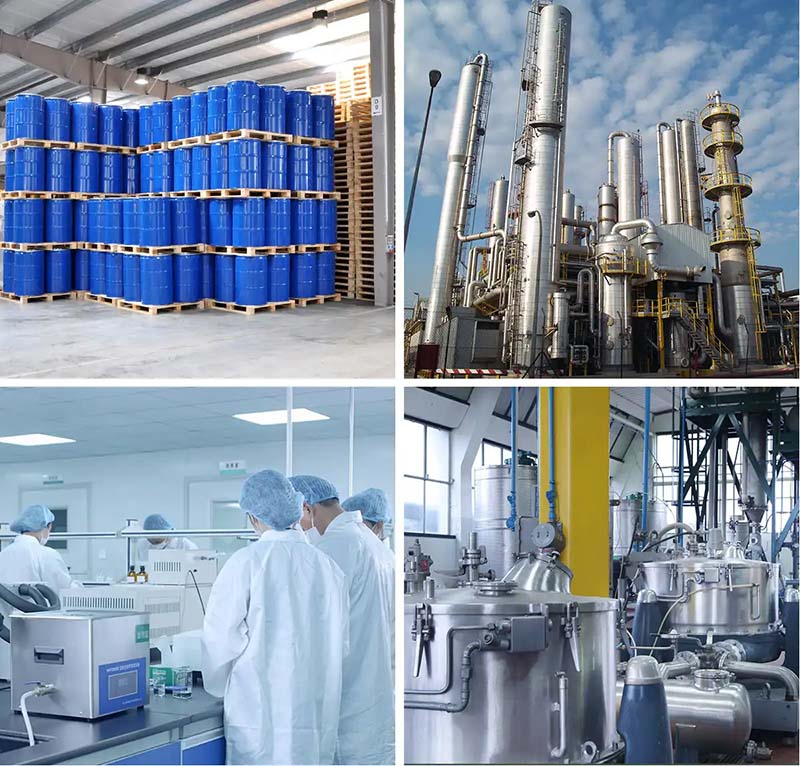
Fact Factory and Equipment Show