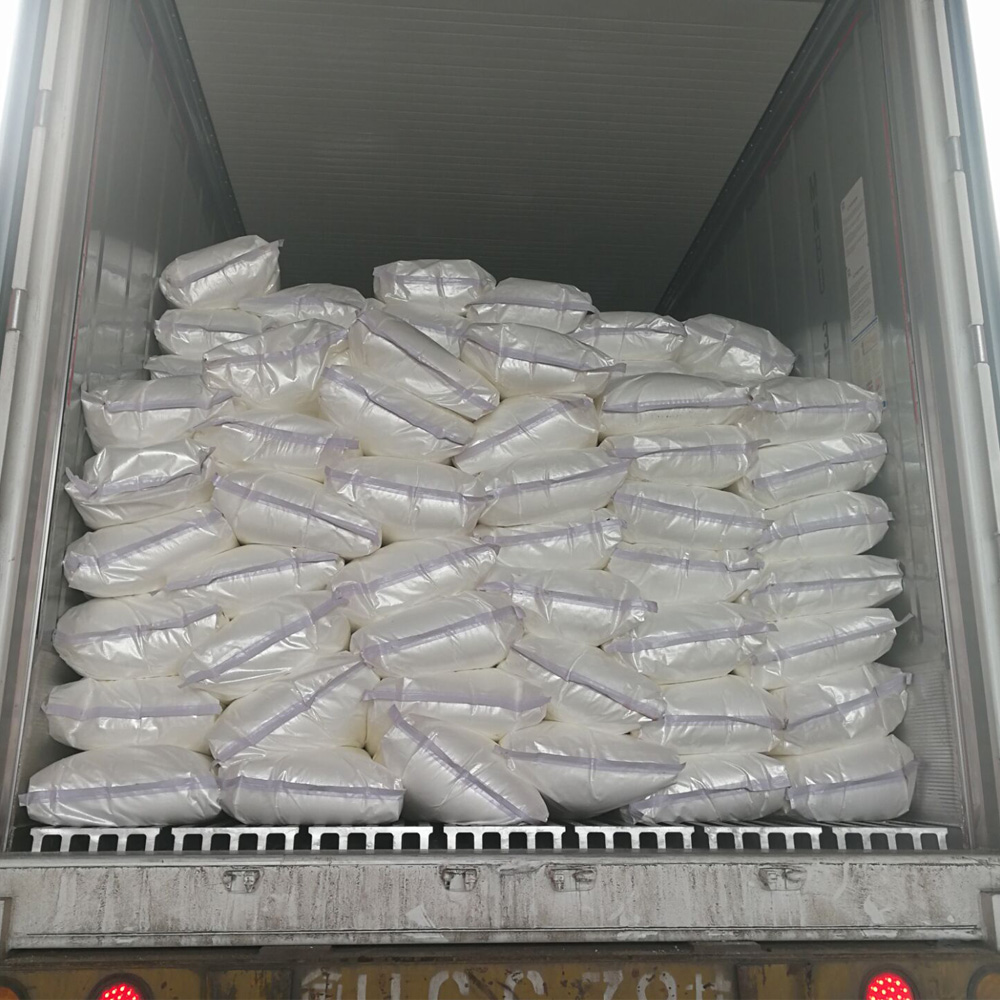
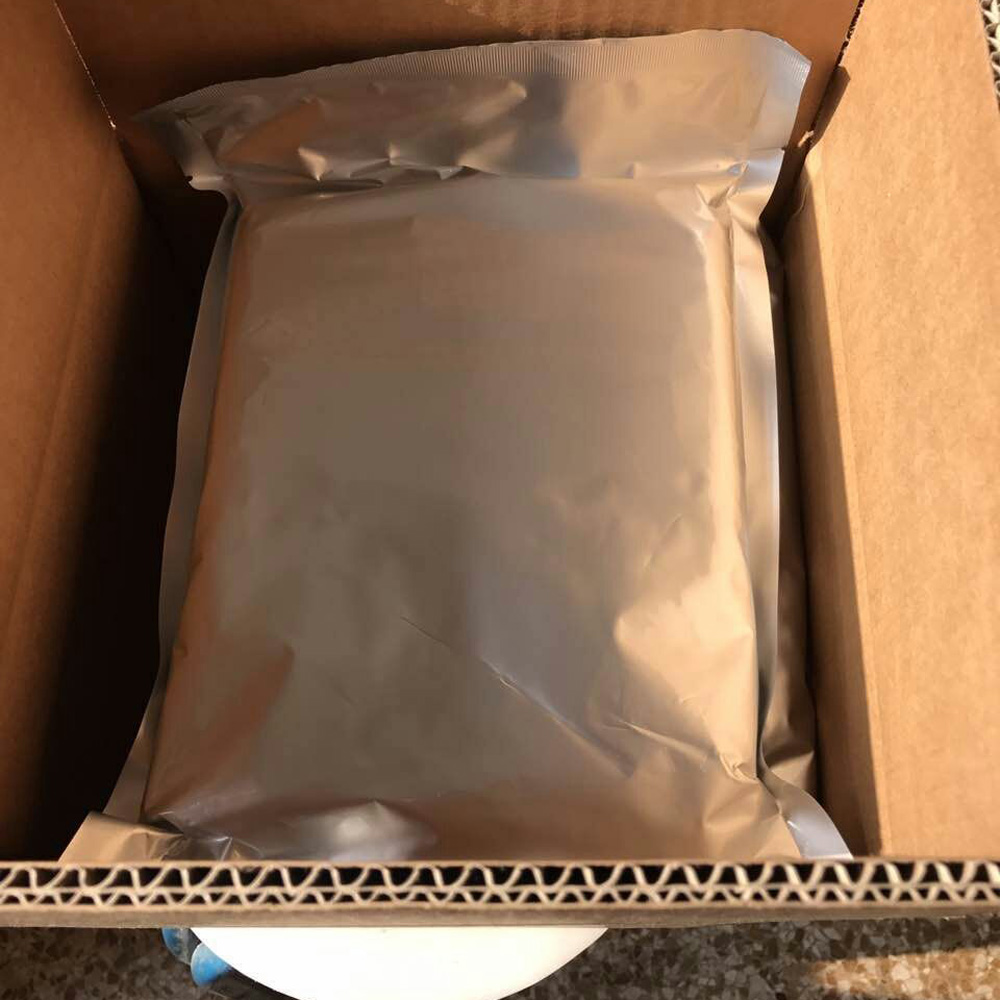
Copper(I) Cyanide #CAS544-92-3
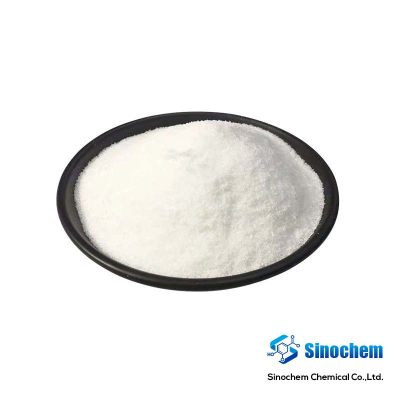
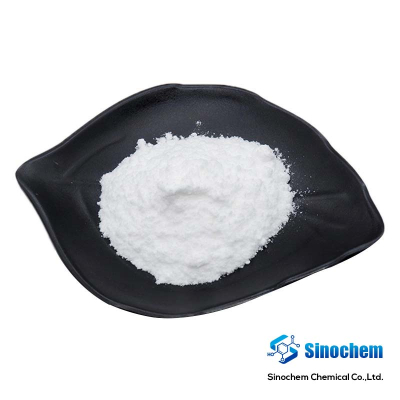
Copper(I) cyanide, CuCN, [544-92-3], MW 89.56, MP 474°C, d 2.92, is white when pure, but usually available as an off-white or cream-colored powder and is insoluble in water and dilute acids but dissolves in complexing media such as ammonia and alkali cyanide solutions. It is produced by the reaction of sodium cyanide with copper(I) chloride solutions or by the reaction of copper(II) sulfate solutions with alkali cyanide and sodium hydrogen sulfite. It is used extensively in the electroplating industry and as a polymerization catalyst in organic reactions.
off-white to green powder. Insoluble in water,soluble in HCI, Nl40H, and potassium cyanide. Used in Sandmeyer's reaction to synthesize aryl cyanides. Toxic by skin absorption, through open wounds, by ingestion, and by inhalation of hydrogen cyanide that arises from slight decomposition. Produces toxic oxides of nitrogen in fires.
Application of Copper(I) Cyanide
Copper(I) cyanide is commonly used as a polymerization catalyst. The compound is useful in organic synthesis, as a catalyst, reagent in the preparation of nitriles(sandmeyer reaction). It is also used in electroplating copper and iron, silver plating, brass plating, and copper-tin alloy plating. It is used to make phthalocyanine dyes and pigments.
Cuprous cyanide is used in electroplating; as an insecticide and fungicide; and as a catalyst for polymerization.
Cuprous cyanide is a highly toxic substance. The toxic routes are inhalation of dust, ingestion, and skin contact. Toxicology and LD50 values for this compound are not reported. Because it is slightly soluble in water, its dissociation to cuprous and cyanide ions in the body may not be significant. The role of cyanide ion in the toxicity of cuprous cyanide is not established. The inhalation hazard, however, is attributable to copper. It is a skin irritant.
If this chemical gets into the eyes, remove anycontact lenses at once and irrigate immediately for at least30 min, occasionally lifting upper and lower lids. Seek medical attention immediately. If this chemical contacts theskin, remove contaminated clothing and wash immediatelywith soap and water. Seek medical attention immediately. Ifthis chemical has been inhaled, remove from exposure,begin rescue breathing (using universal precautions, including resuscitation mask) if breathing has stopped and CPR ifheart action has stopped. Transfer promptly to a medicalfacility. When this chemical has been swallowed, get medical attention. Give large quantities of water and inducevomiting. Do not make an unconscious person vomit. Speedin removing material from skin is of extreme importance.Remove and isolate contaminated clothing and shoes at thesite. Keep victim quiet and maintain normal body temperature. Effects may be delayed. Keep victim underobservation.
| Copper(I) Cyanide Chemical Properties |
| Melting point | 474 °C(lit.) |
| Boiling point | decomposes [STR93] |
| density | 2.92 g/mL at 25 °C(lit.) |
| bulk density | 750kg/m3 |
| vapor pressure | 0Pa at 25℃ |
| storage temp. | Poison room |
| solubility | insoluble in H2O, ethanol; soluble in KCN solution |
| form | Powder |
| Specific Gravity | 2.92 |
| color | White-beige to greenish |
| Water Solubility | Practically insoluble in water and alcohol. Soluble in ammonium hydroxide, aqueous ammonia, pyridine and N-methylpyrrolidone. |
| Sensitive | air sensitive |
| Merck | 14,2661 |
| Solubility Product Constant (Ksp) | pKsp: 19.46 |
| BRN | 3587244 |
| Exposure limits | TLV-TWA 1 mg Cu/m3 (ACGIH). |
| Stability: | Stable. Incompatible with acids, bases, magnesium. Reacts violently with oxidizing agents, nitrates. Reaction with acid releases highly toxic gas (HCN). |
| InChI | 1S/CN.Cu/c1-2; |
| InChIKey | DULSAGLWMRMKCQ-UHFFFAOYSA-N |
| SMILES | [Cu]C#N |
| LogP | -1.49 at 25℃ |
| CAS DataBase Reference | 544-92-3(CAS DataBase Reference) |
| EPA Substance Registry System | Copper(I) cyanide (544-92-3) |
| Safety Information |
| Hazard Codes | T+,N,T |
| Risk Statements | 26/27/28-32-50/53 |
| Safety Statements | 7-28-29-45-60-61-28A |
| RIDADR | UN 1587 |
| WGK Germany | 2 |
| RTECS | GL7150000 |
| F | 10-23 |
| TSCA | TSCA listed |
| HS Code | 2837 19 00 |
| HazardClass | 6.1 |
| PackingGroup | II |
| Storage Class | 6.1B - Non-combustible acute toxic Cat. 1 and 2 very toxic hazardous materials |
| Hazard Classifications | Acute Tox. 1 Dermal Acute Tox. 2 Inhalation Acute Tox. 2 Oral Aquatic Acute 1 Aquatic Chronic 1 STOT RE 2 Oral |
| Hazardous Substances Data | 544-92-3(Hazardous Substances Data) |
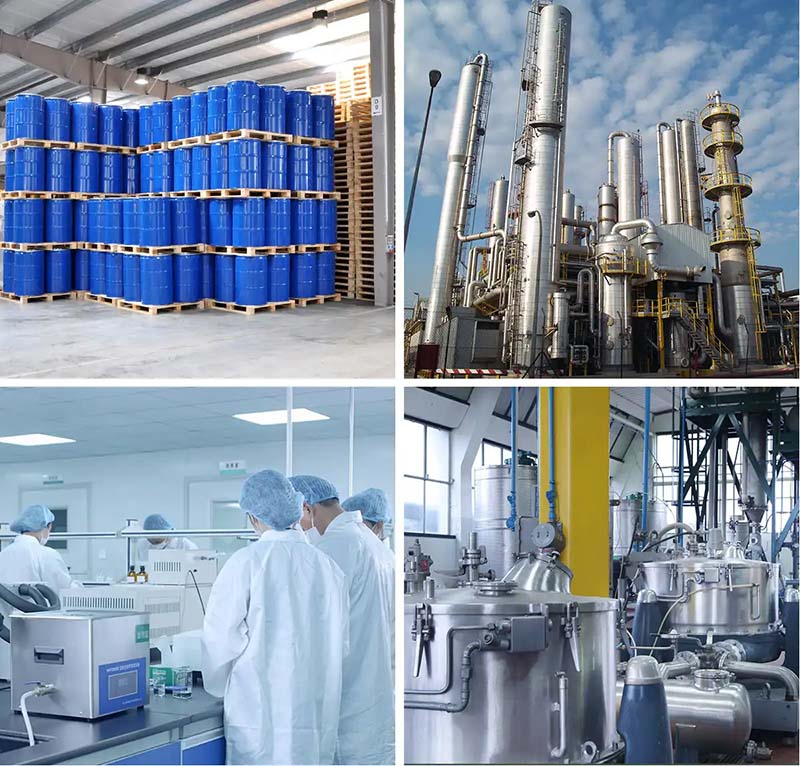
Fact Factory and Equipment Show