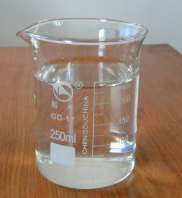
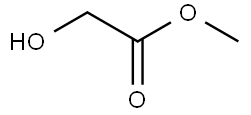
Methyl glycolate #CAS96-35-5
Methyl glycolate possesses chemical properties similar to both alcohols and esters, and can undergo carbonylation, hydrolysis, and oxidation reactions.
It is a reactive aliphatic carboxylic acid ester with both hydroxyl and ester functional groups. As a typical derivative of hydroxyacetic acid, it has very rich chemical reactivity: the ester group can undergo efficient hydrolysis, alcoholysis, amide hydrolysis, and reduction reactions (forming ethylene glycol), which are key intermediates for synthesizing hydroxyacetic acid, high-purity hydroxyacetic amide, and high-molecular-weight polymers; meanwhile, the alcohols and hydroxyl groups within the molecule can undergo esterification, etherification, dehydration or oxidation reactions (oxidized to acetal or oxalic ester). Under the catalysis of acids or bases, this substance easily undergoes intermolecular condensation reactions to form polyhydroxyacetic acid (PGA) prepolymers with good biodegradability. In addition, it is flammable. It can catch fire and burn when exposed to open flames or high heat, and can react vigorously with strong oxidants, strong acids or strong bases.
Application Of Methyl glycolate
Methyl glycolate is a chemical reagent used in the synthesis of taxol and rapamycin. It is used in leather tanning and textile dyeing. It acts as a flavoring agent, preservative in food processing, in water treatment industries and as chemical intermediates. Further, it is used in emulsion polymers, ink and paint additive to improve flow properties and impart gloss. It plays an important role in producing triisopropylsilanyloxy-acetic acid methyl ester using imidazole as reagent.
Ethyl glycolate can be widely applied in many fields such as chemical industry, medicine, pesticides, feed, fragrances and dyes. Ethyl glycolate is soluble in nitrocellulose, cellulose acetate, cellulose acetate propionate and polyvinyl acetate. It is also an excellent solvent for many cellulose, chemical book resins and rubber. Ethyl glycolate can be obtained as different esters through esterification with other alcohols. Ethyl glycolate not only has extensive applications in many fields such as chemical industry, medicine and dyes, but is also an intermediate for organic synthesis and drug synthesis.
| Methyl glycolate Chemical Properties |
| Melting point | 149-151 °C |
| Boiling point | 149-151 °C(lit.) |
| density | 1.167 g/mL at 25 °C(lit.) |
| vapor density | 3.12 (vs air) |
| vapor pressure | 17 mm Hg ( 52 °C) |
| refractive index | n |
| Fp | 153 °F |
| storage temp. | Keep in dark place,Sealed in dry,Room Temperature |
| solubility | Chloroform, Methanol |
| pka | 13.00±0.10(Predicted) |
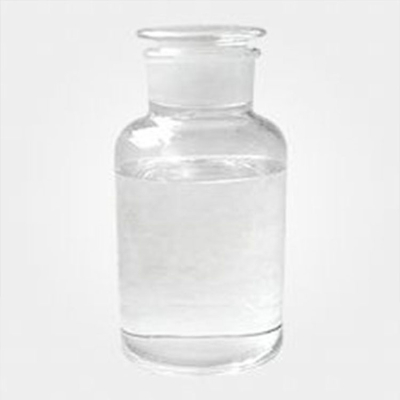
| form | Liquid |
| color | Clear colorless |
| Water Solubility | Miscible with water. |
| BRN | 1699571 |
| Cosmetic Ingredient Review (CIR) | Methyl glycolate (96-35-5) |
| InChI | 1S/C3H6O3/c1-6-3(5)2-4/h4H,2H2,1H3 |
| InChIKey | GSJFXBNYJCXDGI-UHFFFAOYSA-N |
| SMILES | COC(=O)CO |
| CAS DataBase Reference | 96-35-5(CAS DataBase Reference) |
| NIST Chemistry Reference | Acetic acid, hydroxy-, methyl ester(96-35-5) |
| EPA Substance Registry System | Acetic acid, hydroxy-, methyl ester (96-35-5) |
| Safety Information |
| Hazard Codes | Xi |
| Risk Statements | 36/37/38 |
| Safety Statements | 23-24/25 |
| WGK Germany | 3 |
| TSCA | TSCA listed |
| HS Code | 29181990 |
| Storage Class | 10 - Combustible liquids |
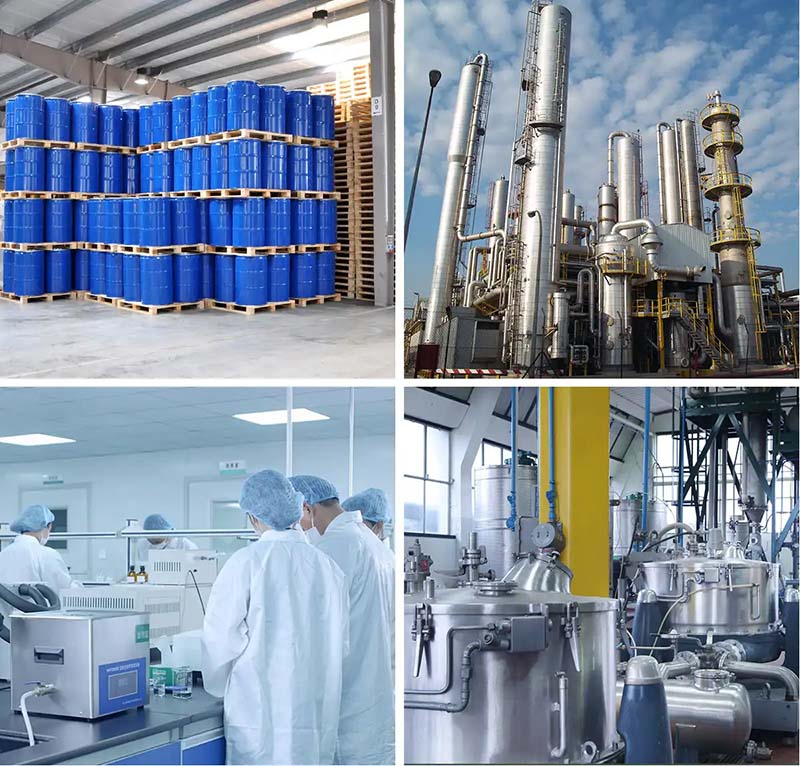
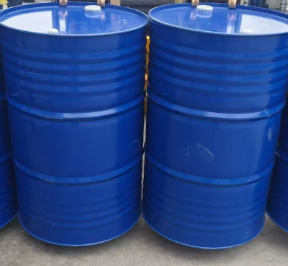
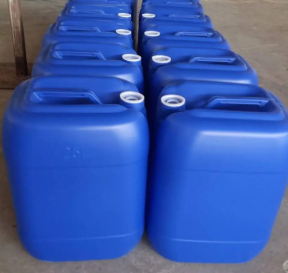
Fact Factory and Equipment Show