6(5H)-Phenanthridone #CAS1015-89-0
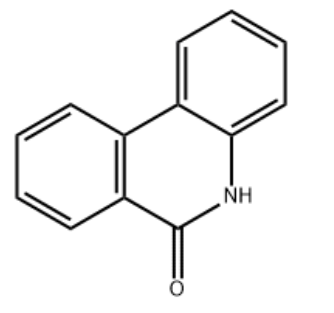
Phenyridones are the basic core of a large class of pancratistatin-type alkaloids in the Amaryllidaceae family. As an important member of the phenyridinium family, they are widely found in various natural alkaloids and synthetic pharmaceutical molecules. These phenyridinium-based natural alkaloids and synthetic pharmaceutical molecules possess potent biological activities such as antitumor, antiviral, antihypertensive, and acetylcholinesterase inhibition. Phenyridones are a class of fused tricyclic molecules with nitrogen atoms, exhibiting excellent biological activity and found in various natural products, such as crinasiadine, oxynitidine, narciprimine, and phenaglydon (Figure 1). Their enormous potential has prompted scientists to develop many innovative synthetic routes in recent years, mainly focusing on the efficient construction of phenyridone skeletons to promote the further exploration and application of these compounds.
6-(5H)-Phenanthridinone is an inhibitor of poly(ADP-ribose)polymerase (PARP)-1 activity. The ability of 6-(5H)-phenanthridinone to potentiate the effect of ionizing radiation on tumour cells was evaluated. Action of 6-(5H)-phenanthridinone, one of the most potent PARP inhibitor, on RDM4 murine lymphoma cells in culture was evaluated.
Application of 6(5H)-Phenanthridone
6-Phenanthridone is a poly(ADP-ribose) polymerase (PARP) inhibitor with immunosuppressive effects. 6-Phenanthridone has been shown to inhibit concanavalin A-induced lymphocyte proliferation.
6(5H)-Phenanthridinone is used as a probe into the role of PARP in cellular response to irradiation. Treatment of cells with 6(5H)-Phenanthridinone and various DNA-damaging agents showed a resistance to apoptosis. It acts as a reactant in the synthesis of 5,6-dihydrophenanthridine sulfonamides, oxidative coupling with diphenylacetylene, direct copper acetate-catalyzed N-cyclopropylation of cyclic amides. It is used as HIV-1 integrase inhibitor.
| 6(5H)-Phenanthridone Chemical Properties |
| Melting point | 290-292 °C(lit.) |
| Boiling point | 435 °C |
| density | 1.230±0.06 g/cm3(Predicted) |
| storage temp. | Sealed in dry,Room Temperature |
| solubility | DMF: 1mg/mL; DMF:PBS (pH 7.2) (1:5): 0.16mg/mL |
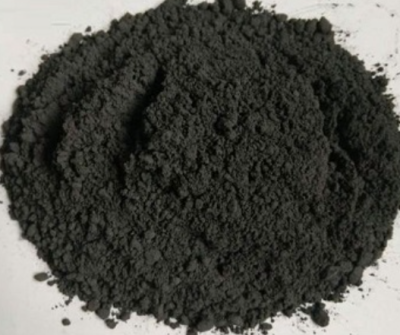
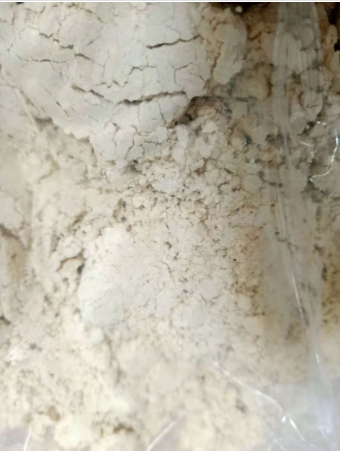
| form | powder to crystal |
| pka | 13.27±0.20(Predicted) |
| color | White to Light yellow to Light orange |
| Water Solubility | Soluble in DMSO (5 mg/ml). Insoluble in water. |
| λmax | 338nm(EtOH)(lit.) |
| BRN | 140641 |
| InChI | InChI=1S/C13H9NO/c15-13-11-7-2-1-5-9(11)10-6-3-4-8-12(10)14-13/h1-8H,(H,14,15) |
| InChIKey | RZFVLEJOHSLEFR-UHFFFAOYSA-N |
| SMILES | C1=C2C(NC(=O)C3=C2C=CC=C3)=CC=C1 |
| CAS DataBase Reference | 1015-89-0(CAS DataBase Reference) |
| NIST Chemistry Reference | 6(5H)-phenanthridinone(1015-89-0) |
| EPA Substance Registry System | 6-Phenanthridinone (1015-89-0) |
| Safety Information |
| Safety Statements | 22-24/25 |
| WGK Germany | 3 |
| RTECS | SG0370000 |
| HS Code | 29337900 |
| Storage Class | 11 - Combustible Solids |
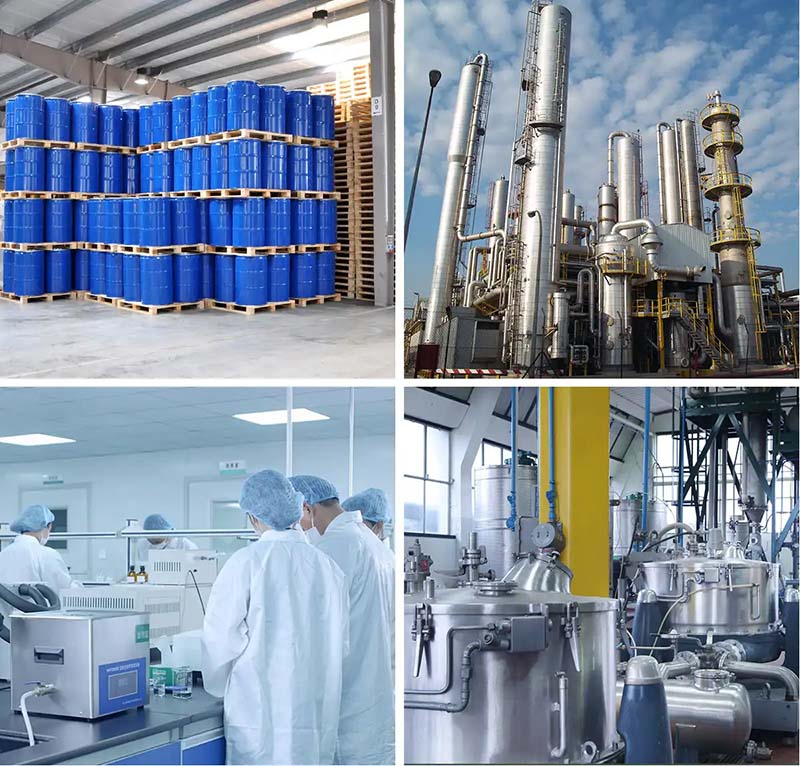
Fact Factory and Equipment Show