Methanesulfonic Acid (MSA) CAS: 75-75-2
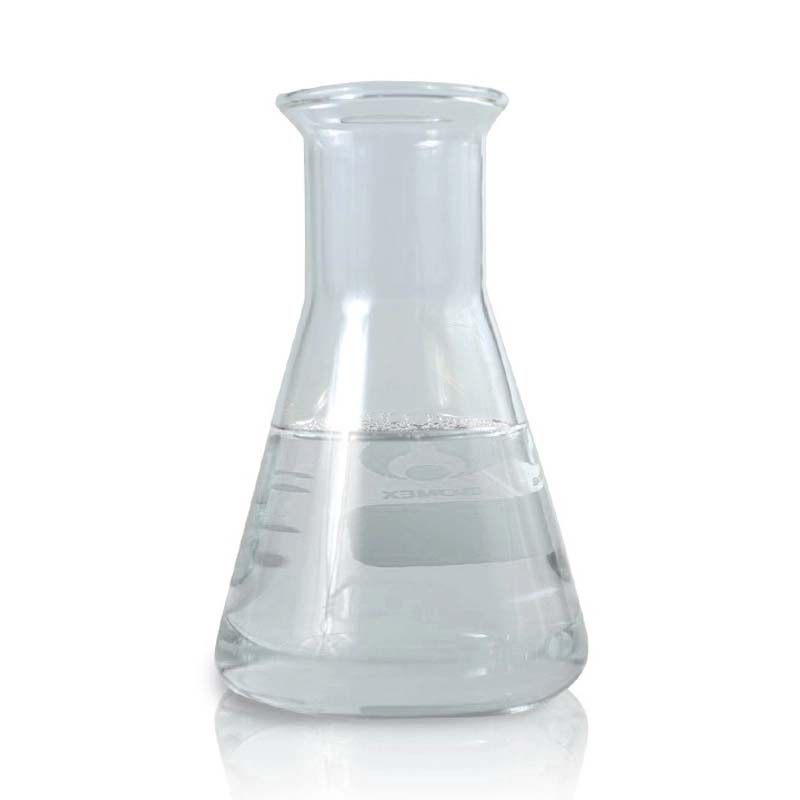
Methanesulfonic acid (MSA) is a strong, non-oxidizing organic acid that serves as a biodegradable alternative to harsh mineral acids. It is primarily used as an electrolyte in high-speed tin electroplating for electronics and as an efficient acid catalyst in pharmaceutical and chemical synthesis, valued for the high solubility of its metal salts.
1. Overview
MSA is a colorless, strong organic acid (pKa ≈ -1.9). It serves as a non-oxidizing, biodegradable alternative to mineral acids (H₂SO₄, HCl) in electroplating, catalysis, and pharmaceutical synthesis.
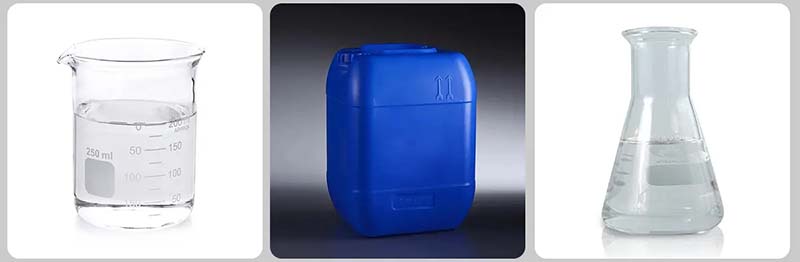
2. Key Features
Strong acidity – comparable to mineral acids
Non-oxidizing – no side reactions
High metal salt solubility – ideal for electroplating
Biodegradable – eco-friendly
Low volatility – minimal fumes
Thermally stable – up to 250°C
3. Key Specifications
| Parameter | Typical Value | Explanation |
|---|---|---|
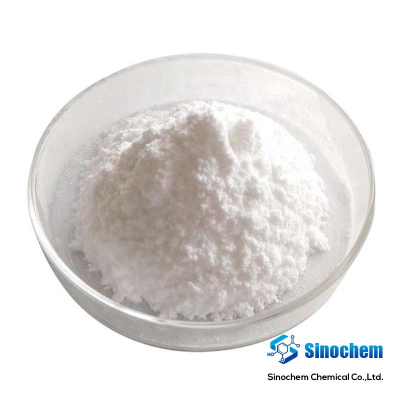
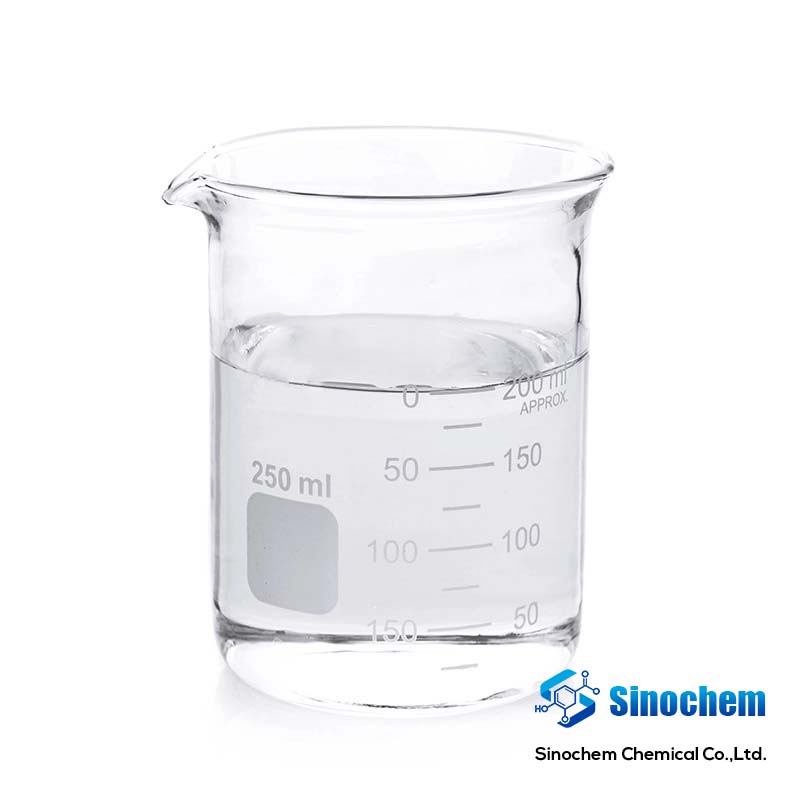
| Appearance | Colorless to pale yellow liquid | Darkening = impurities |
| Assay | ≥99.5% – ≥99.9% | Higher purity for pharma/electronics |
| Density (20°C) | 1.48 – 1.49 g/mL | Heavier than water |
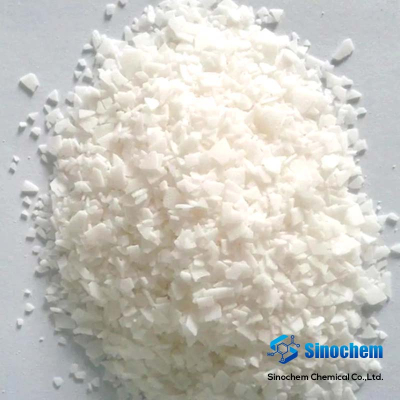
| Melting Point | 19 – 20°C | Solidifies at room temp; warm to use |
| Water Content | ≤0.1% – ≤0.5% | Low moisture critical |
| Chloride | ≤1 – 5 ppm | High Cl causes corrosion |
| Heavy Metals | ≤1 – 10 ppm | Critical for pharma grade |
4. Applications
| Area | Uses |
|---|---|
| Electroplating | Tin, lead, copper plating (high solubility MSA salts) |
| Organic Synthesis | Esterification, alkylation, catalyst |
| Pharmaceuticals | API synthesis, salt formation |
| Battery Electrolytes | Lead-acid batteries (MSA-based) |
| Cleaning | Descaling, industrial cleaning (non-fuming) |
| Polymerization | Catalyst for polyoxymethylene (POM) |
5. Grade Comparison
| Grade | Purity | Water | Heavy Metals | Use |
|---|---|---|---|---|
| Industrial | ≥99.5% | ≤0.5% | ≤10 ppm | Cleaning, general synthesis |
| Electroplating | ≥99.7% | ≤0.1% | ≤5 ppm | Tin/lead plating baths |
| Pharma Grade | ≥99.9% | ≤0.05% | ≤1 ppm | API synthesis |
| Electronic | ≥99.9% | ≤0.02% | ≤1 ppm | Semiconductor cleaning |
6. Buying Guide
Select by application:
Electroplating → ≥99.7%, low chloride and sulfate
Pharmaceuticals → ≥99.9%, low heavy metals
Industrial cleaning → ≥99.5% standard grade
Storage & Handling:
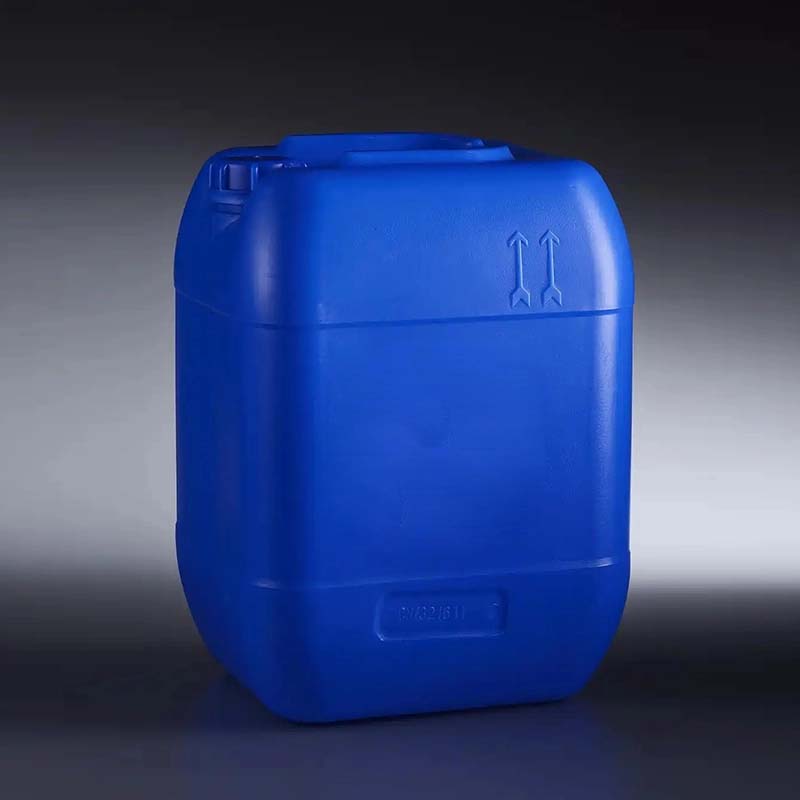
Store in HDPE, PP, or PTFE containers (not carbon steel)
Keep above 20°C to prevent solidification
Shelf life: 24 months
Corrosive – use PPE (gloves, goggles, acid-resistant apron)
Quality checks:
Request CoA for water content, chloride, heavy metals
Check color (APHA ≤100 for standard grade)
7. FAQ
Q: MSA vs H₂SO₄ – which is better?
MSA – non-oxidizing, less fuming, biodegradable, better metal salt solubility.
H₂SO₄ – cheaper, stronger oxidizing. MSA preferred for tin/lead plating and sensitive syntheses.
Q: Is MSA hazardous?
Yes, corrosive. GHS: H290 (corrosive to metals), H302 (harmful if swallowed), H314 (severe skin burns/eye damage). Use PPE.
Q: Does MSA freeze in winter?
Yes. Melting point ~19–20°C. Warm to >25°C to liquefy before use. Quality unaffected after remelting.
Q: Is MSA biodegradable?
Yes – rapidly biodegrades in wastewater treatment (>70% in 28 days).
Q: Can MSA replace HCl in reactions?
Yes, if non-oxidizing conditions and chloride-free product are needed. MSA salts are non-volatile vs. HCl salts.
8. Delivery & Service
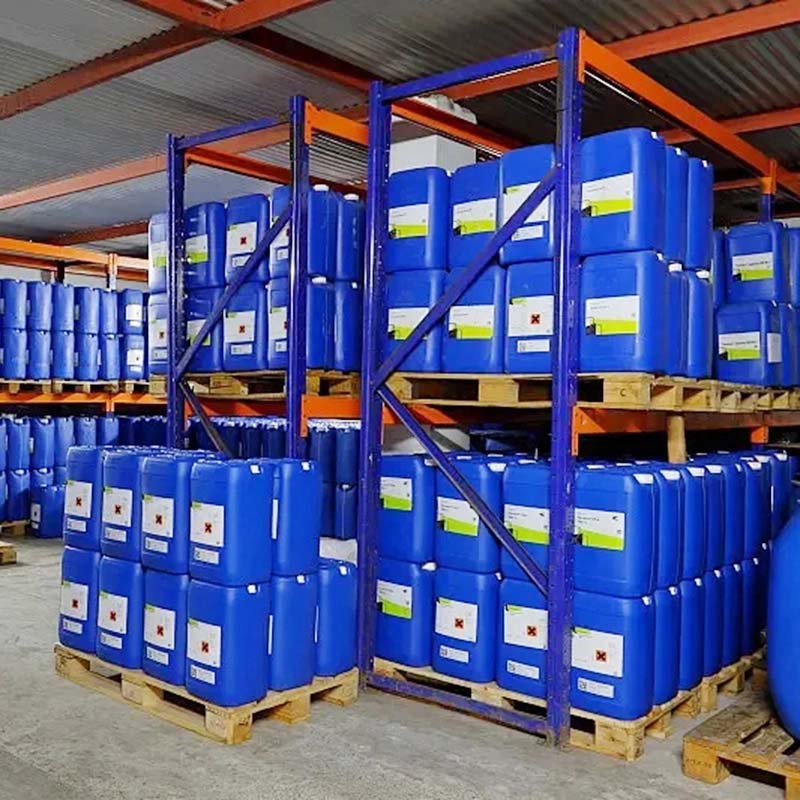
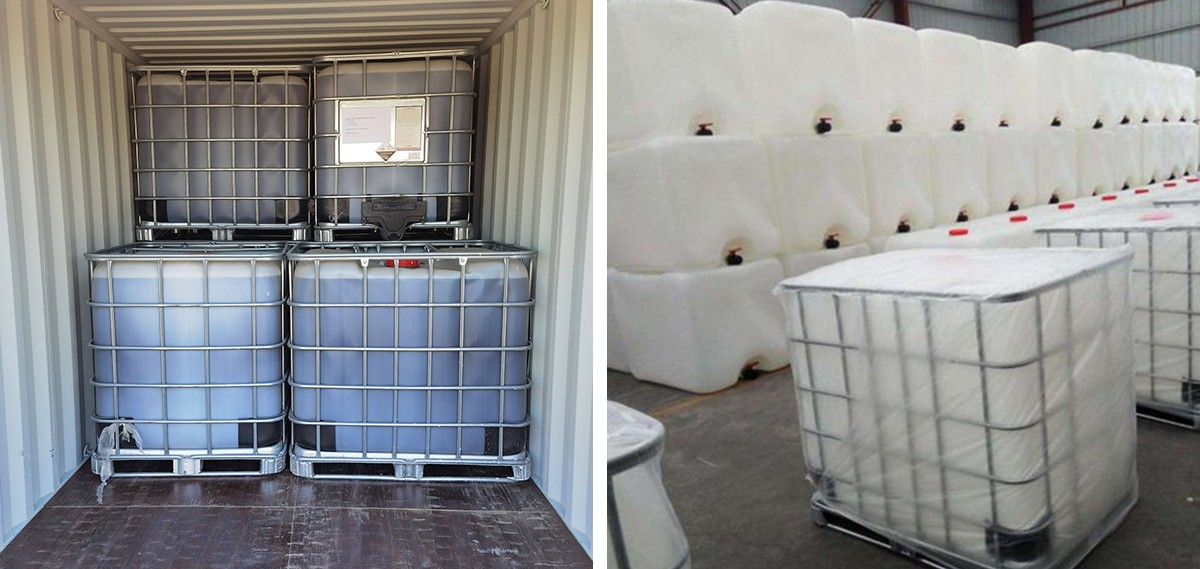
Packaging: 25kg, 250kg, 1000kg HDPE drums; 20–25 MT isotank
Documentation: CoA, MSDS, TDS
Certifications: ISO 9001; pharma grade: GMP available
Shipping: Class 8 corrosive (UN 3265); requires hazardous documentation
| Methanesulfonic acid Chemical Properties |
| Melting point | 17-19 °C (lit.) |
| Boiling point | 167 °C/10 mmHg (lit.) |
| density | 1.475-1.485 g/mL at 20 °C 1.481 g/mL at 25 °C (lit.) |
| vapor density | 3.3 (vs air) |
| vapor pressure | 1 mm Hg ( 20 °C) |
| refractive index | n |
| Fp | >230 °F |
| storage temp. | 2-8°C |
| solubility | water: soluble1,000 g/L at 20°C |
| pka | -2.6(at 25℃) |
| form | Solution |
| color | brown |
| Specific Gravity | 1.48 (18/4℃) |
| biological source | synthetic |
| Water Solubility | Miscible with water. Slightly miscible with benzene and toluene. Immiscible with paraffins. |
| λmax | λ: 240-320 nm Amax: <0.4 |
| Sensitive | Light Sensitive & Hygroscopic |
| Merck | 14,5954 |
| BRN | 1446024 |
| Henry's Law Constant | 7.3×10³ mol/(m3Pa) at 25℃, Wang et al. (2017) |
| Stability: | Stable. Moisture sensitive. Incompatible with amines, bases, water, common metals. Releases a substantial amount of heat when diluted with water (add acid to water with care if diluting). |
| InChI | 1S/CH4O3S/c1-5(2,3)4/h1H3,(H,2,3,4) |
| InChIKey | AFVFQIVMOAPDHO-UHFFFAOYSA-N |
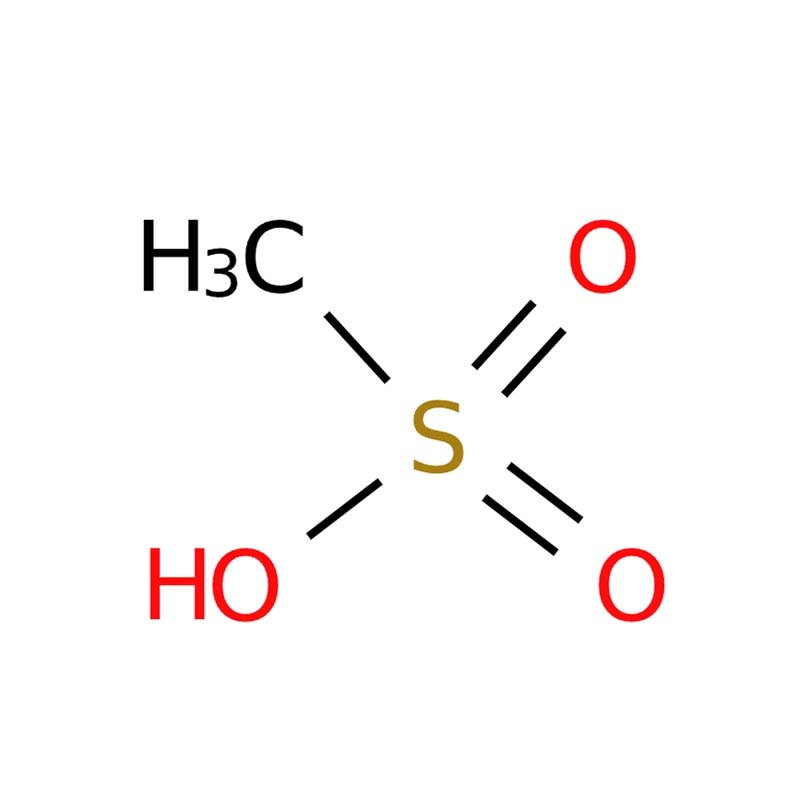
| SMILES | O=S(O)(C)=O |
| CAS DataBase Reference | 75-75-2(CAS DataBase Reference) |
| NIST Chemistry Reference | CH3SO3H(75-75-2) |
| EPA Substance Registry System | Methanesulfonic acid (75-75-2) |
| Safety Information |
| Hazard Codes | C |
| Risk Statements | 34-22-21/22-35 |
| Safety Statements | 26-36-45-1/2-36/37/39 |
| RIDADR | UN 3265 8/PG 2 |
| WGK Germany | 1 |
| RTECS | PB1140000 |
| TSCA | TSCA listed |
| HazardClass | 8 |
| PackingGroup | III |
| HS Code | 29041000 |
| Storage Class | 8A - Combustible corrosive hazardous materials |
| Hazard Classifications | Acute Tox. 4 Dermal Acute Tox. 4 Oral Eye Dam. 1 Met. Corr. 1 Skin Corr. 1B STOT SE 3 |
| Hazardous Substances Data | 75-75-2(Hazardous Substances Data) |
| Toxicity | LD50 orally in Rabbit: 649 mg/kg LD50 dermal Rabbit 200 - 2000 mg/kg |